
Last updated September 10, 2026
Level 1 sweep and inspection to the NFPA 211 annual standard - flue, crown, cap, and flashing checked and photographed
Chimney sweep logs do not sweep chimneys. They loosen some creosote - which then falls where a brush and vacuum still have to collect it.
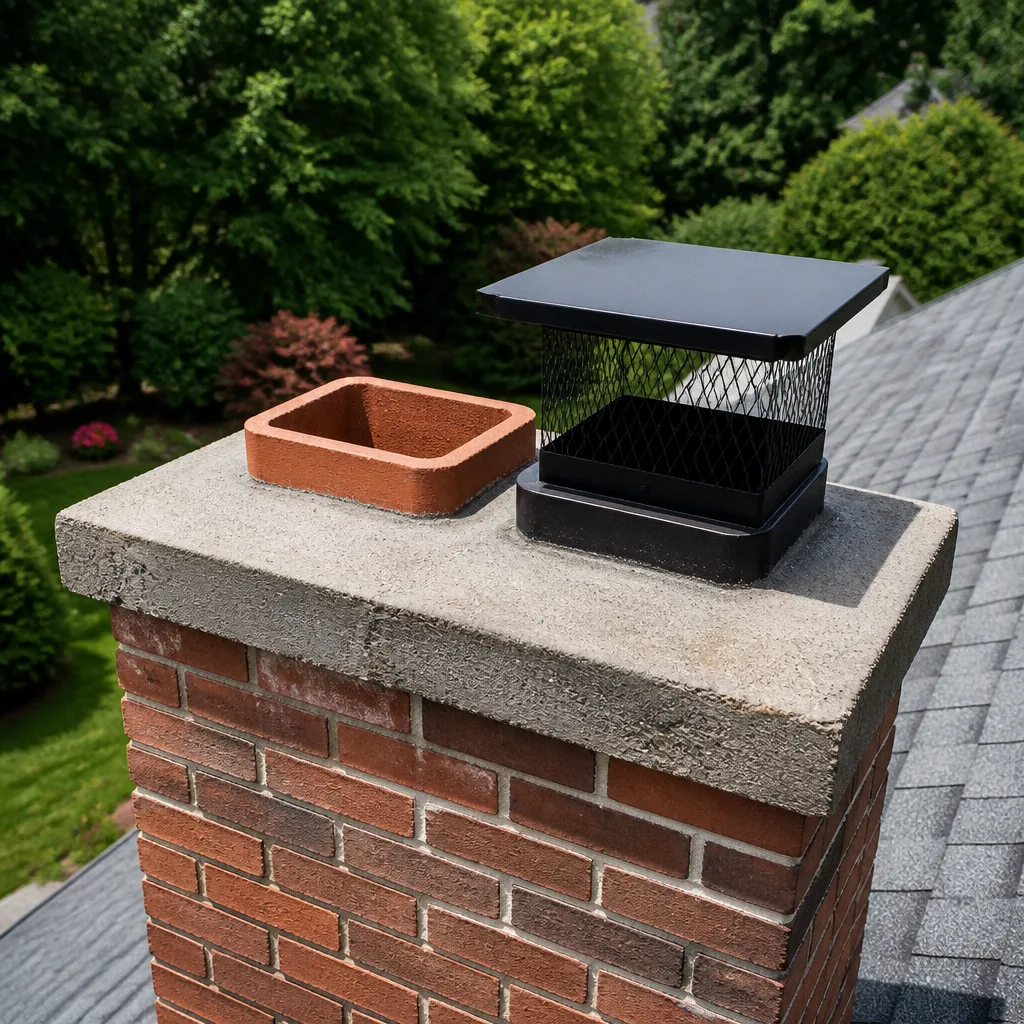
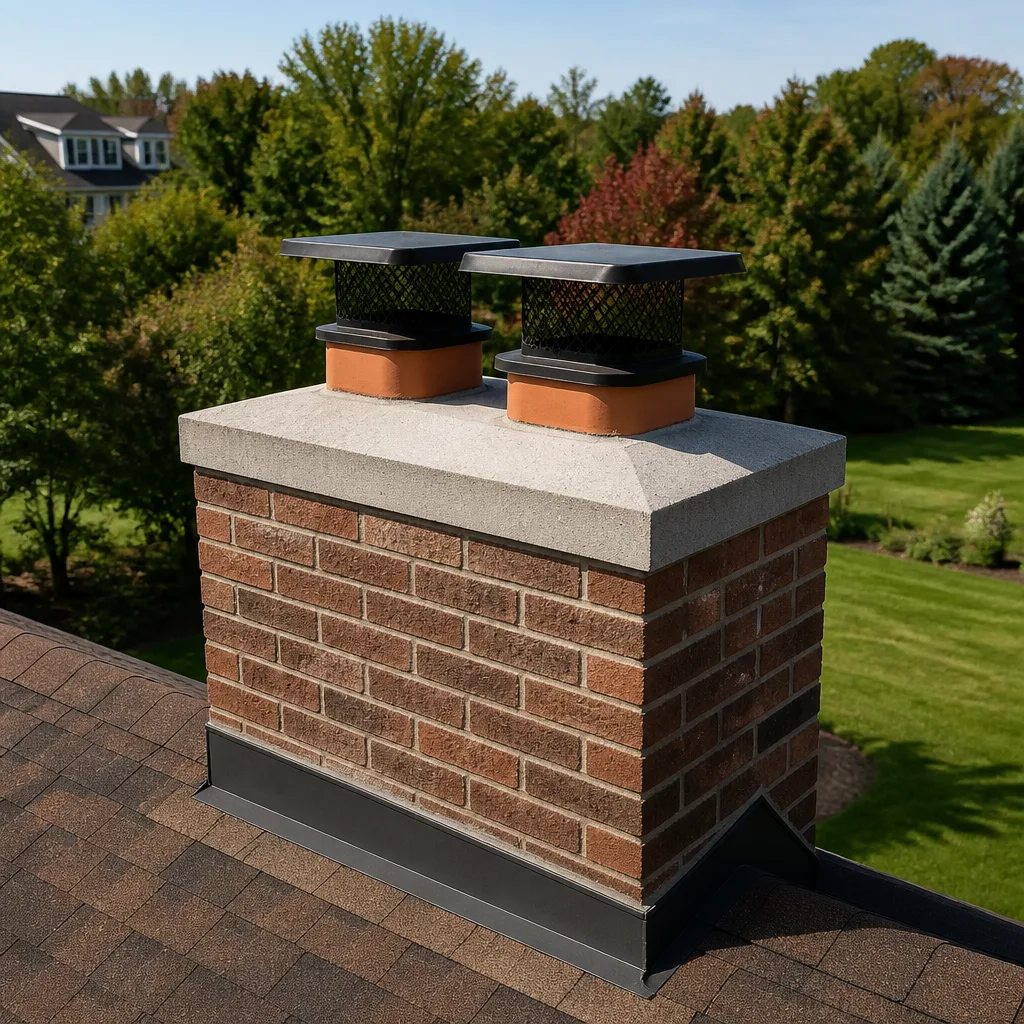
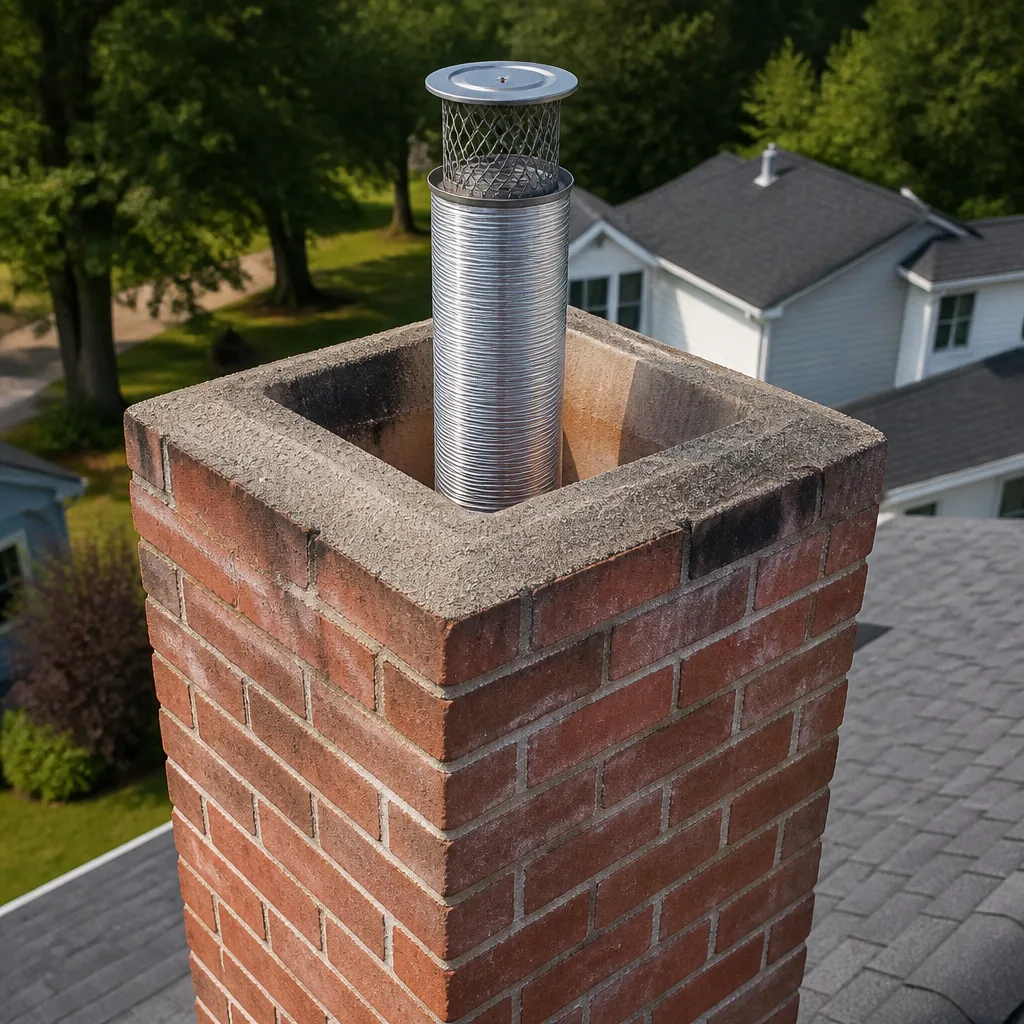
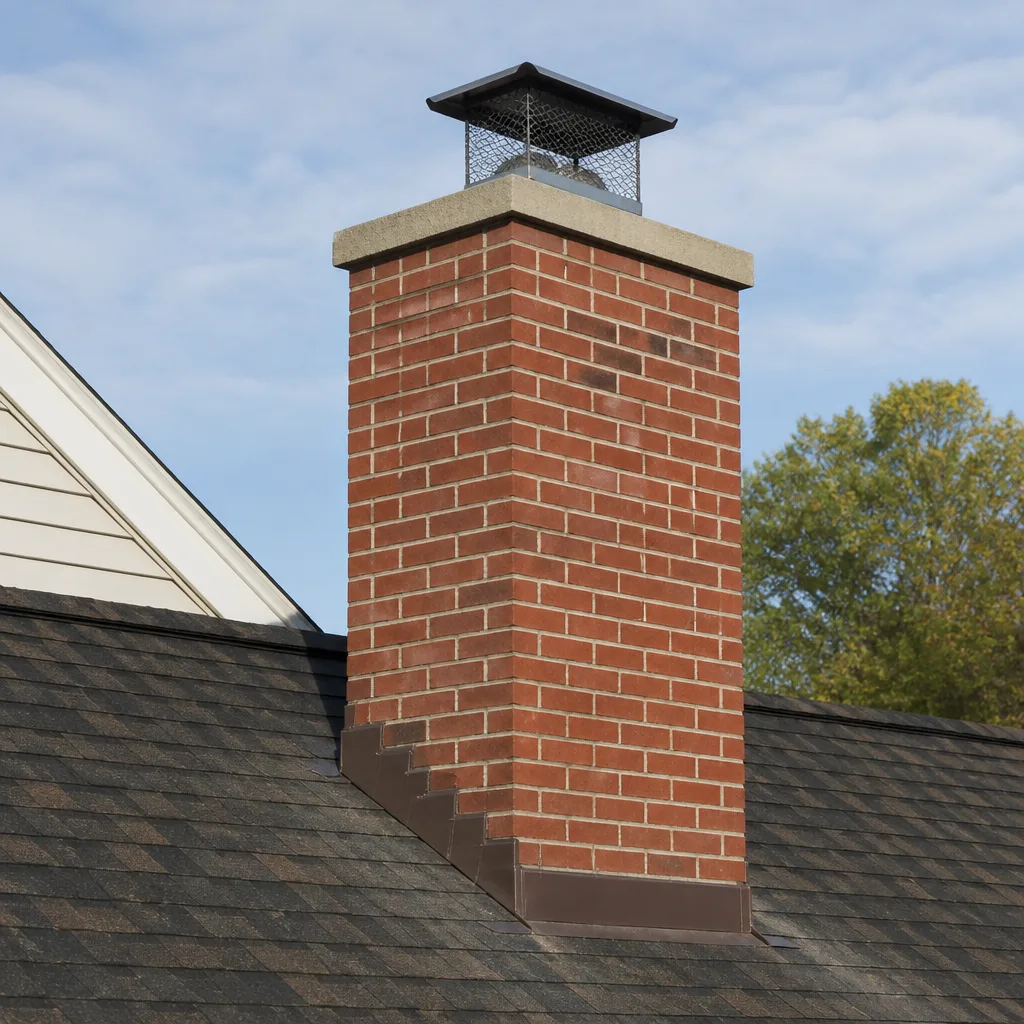
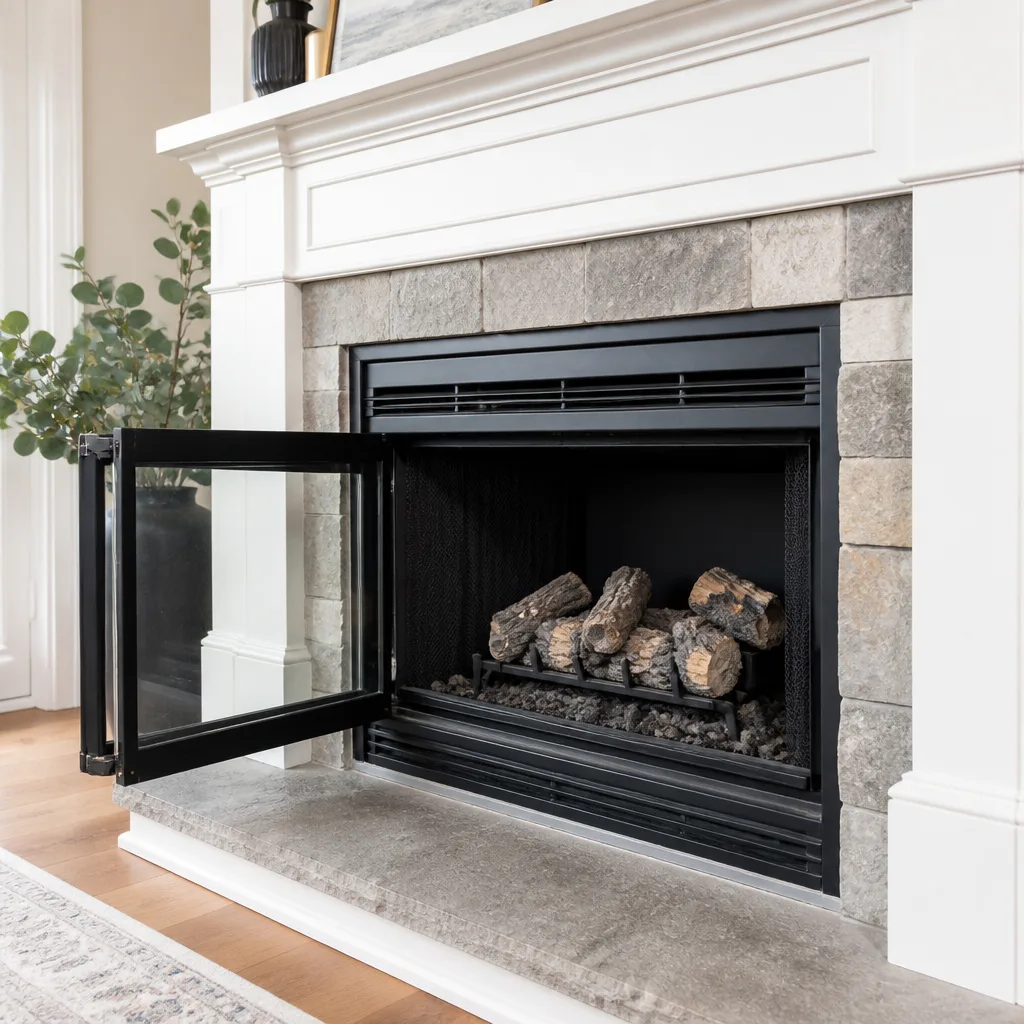
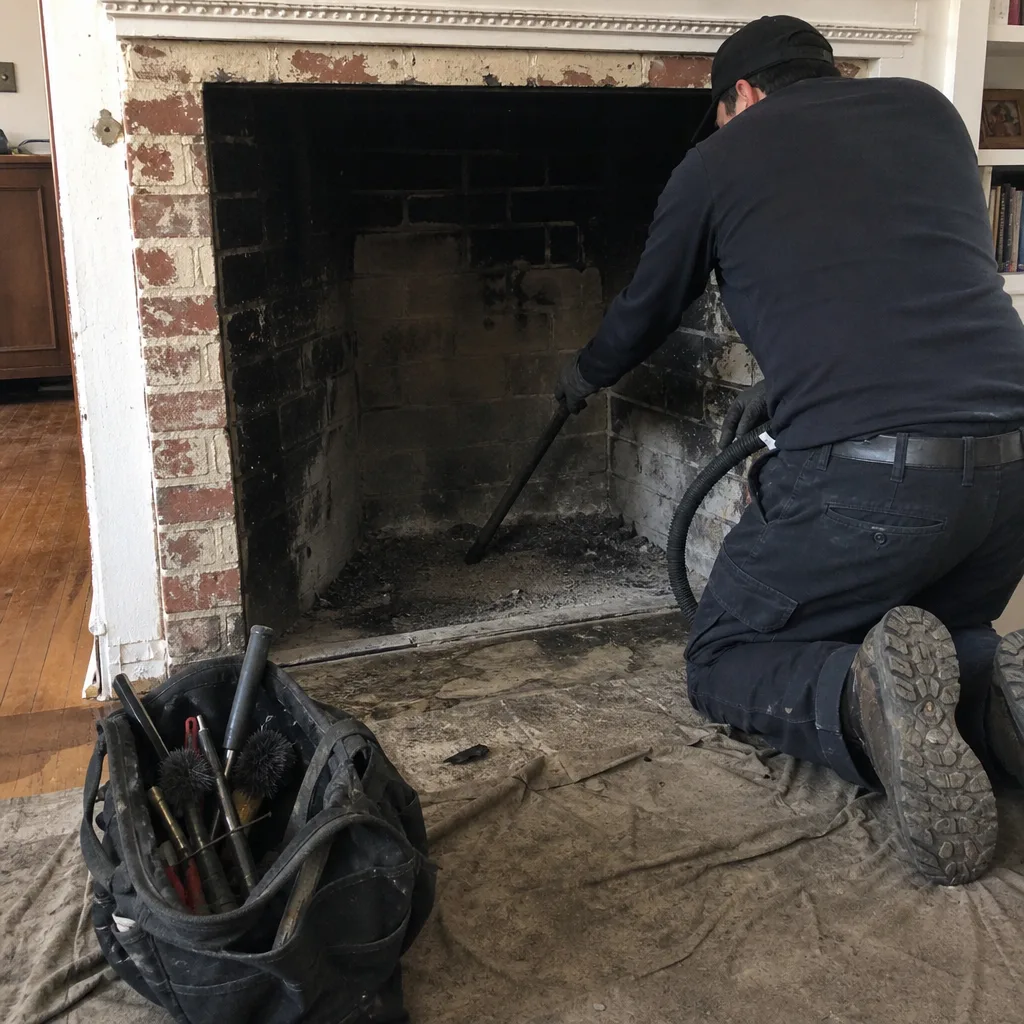 Before
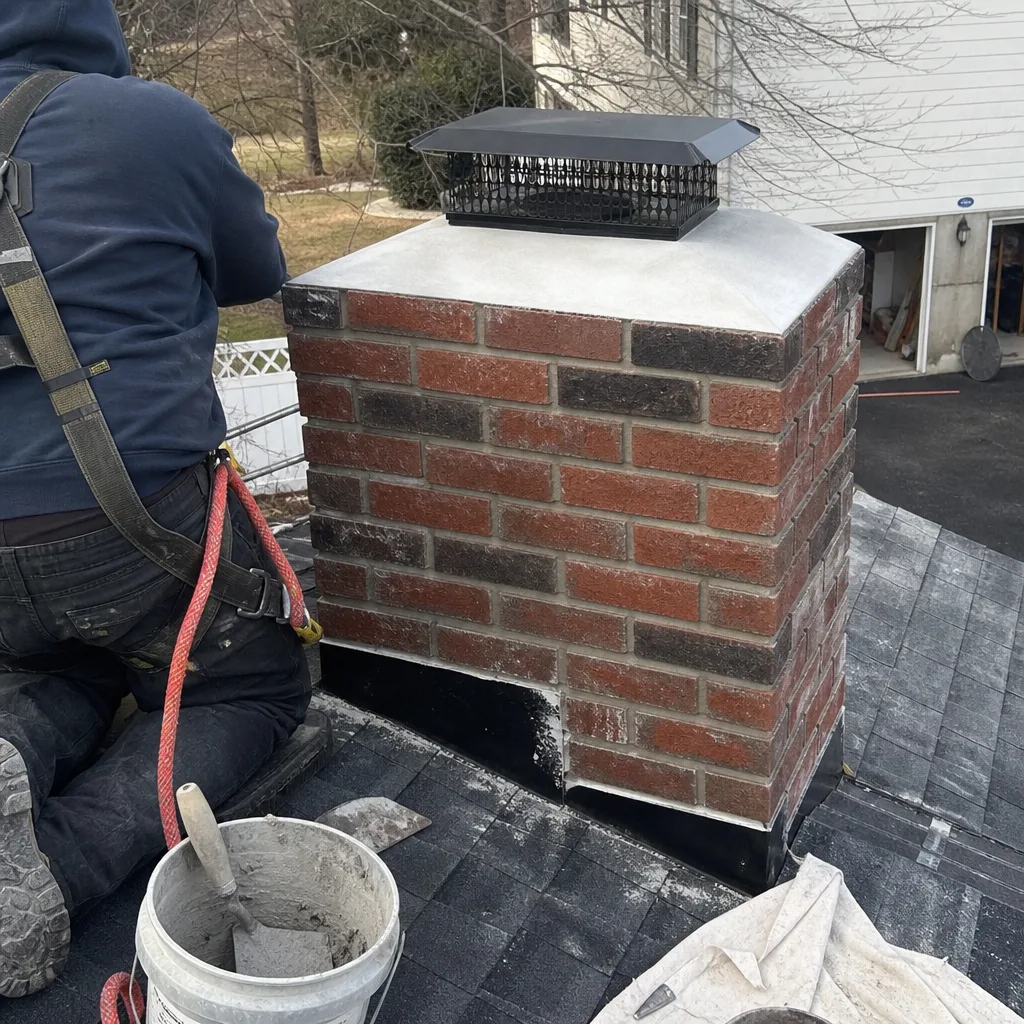 After
After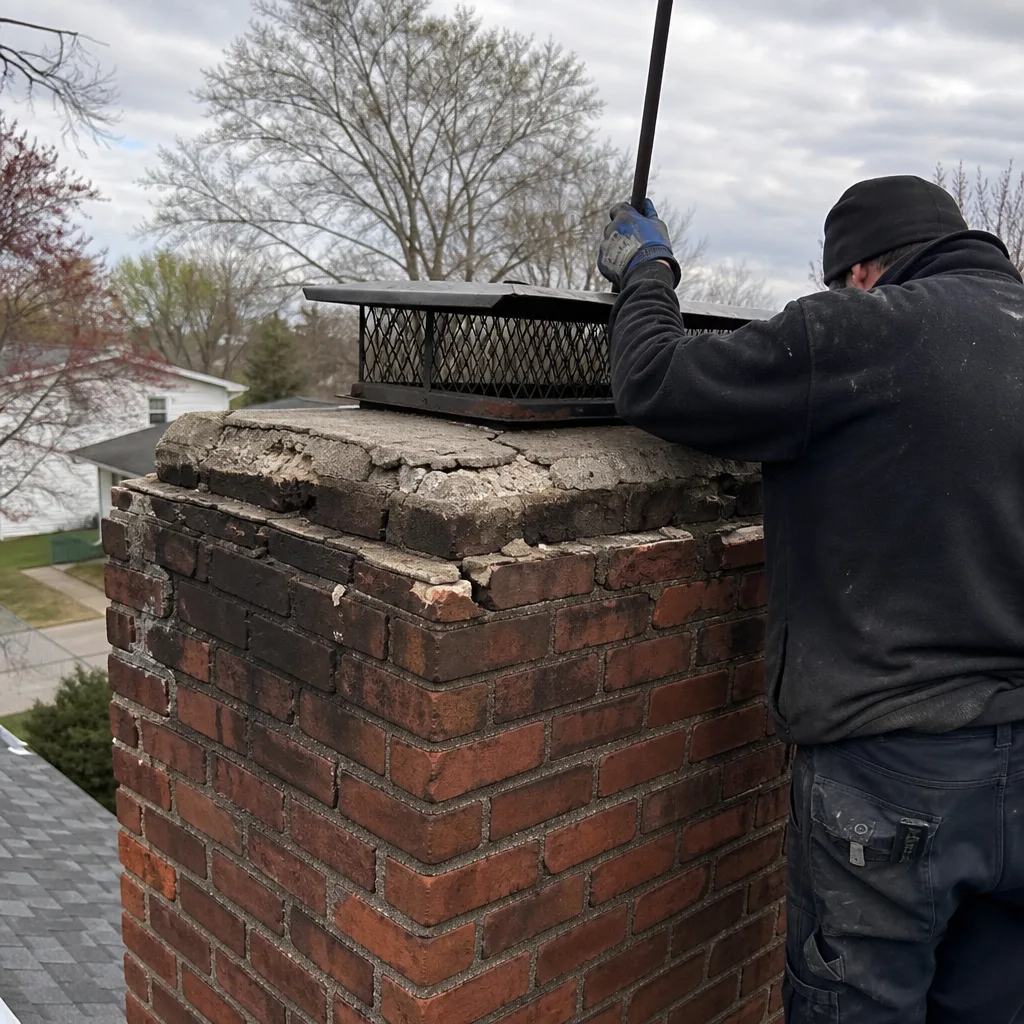 Before
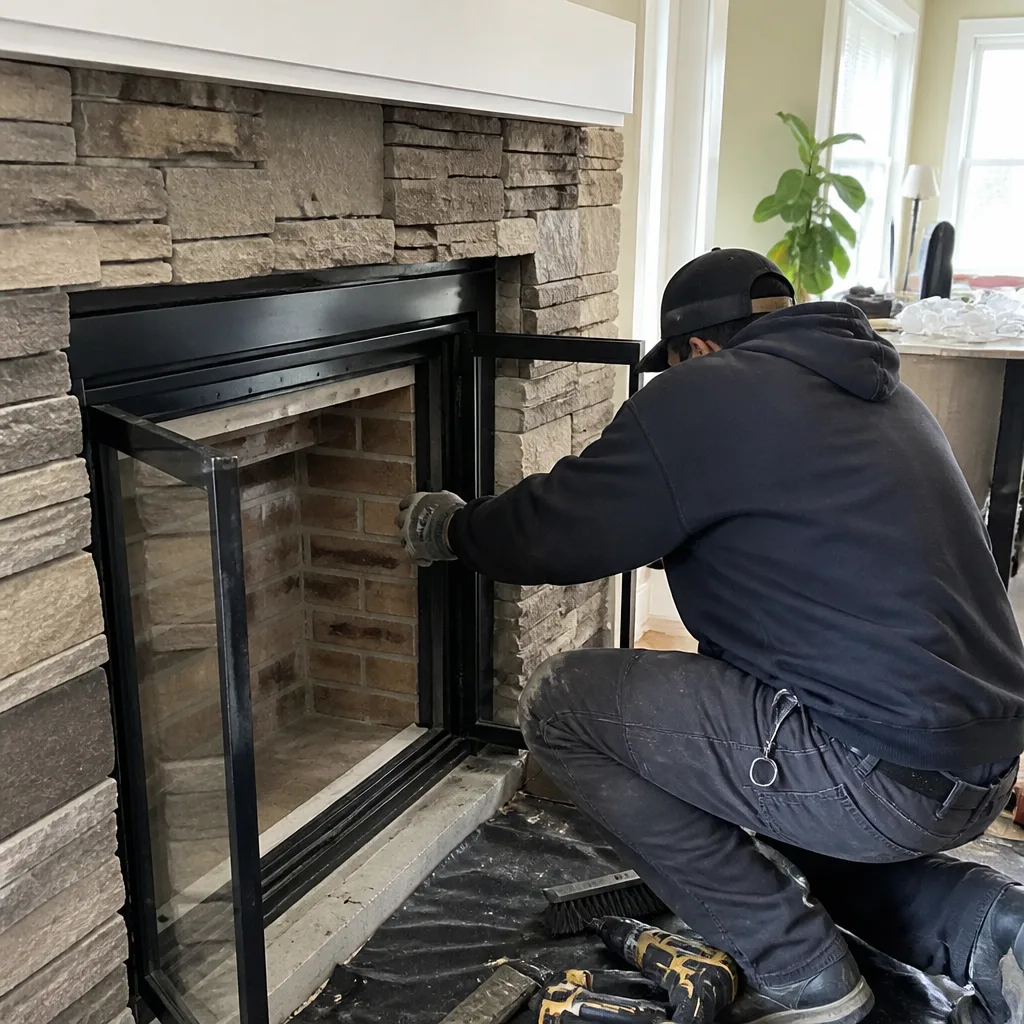 After
After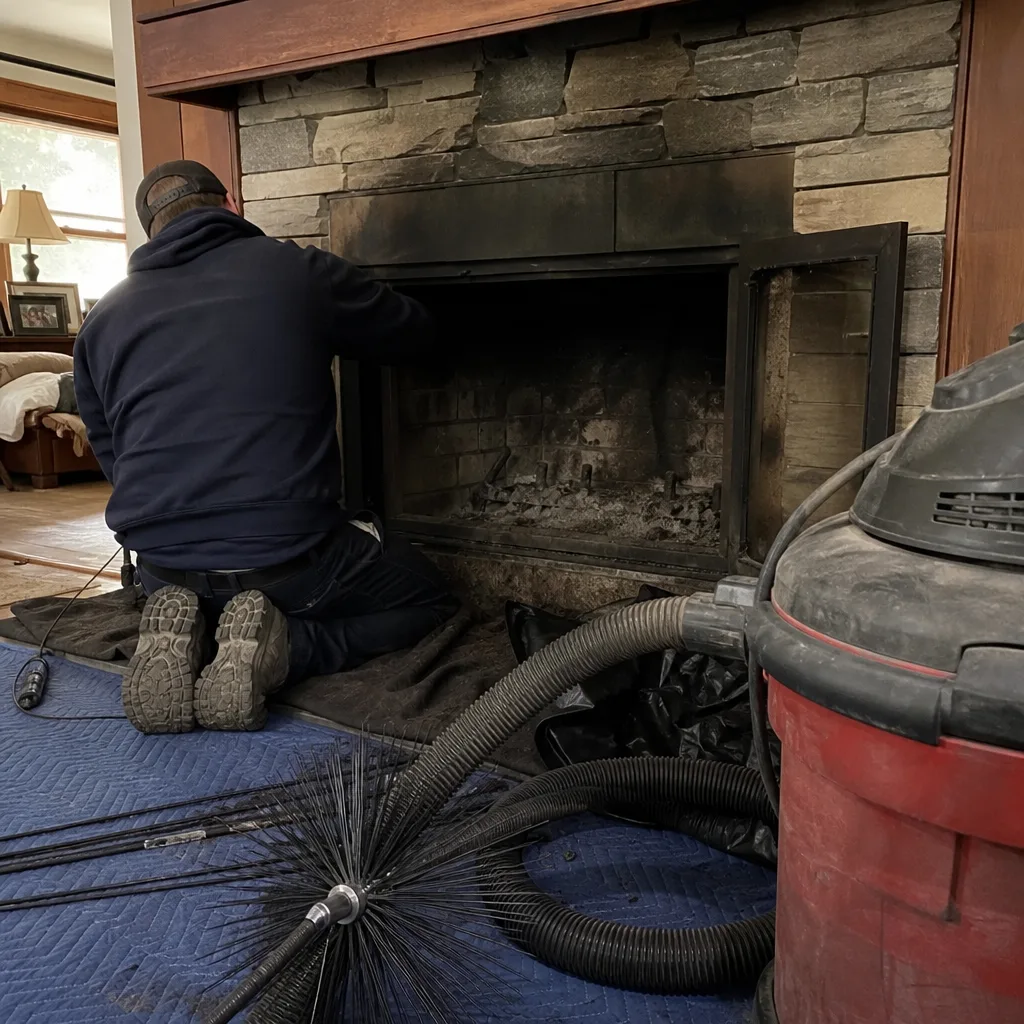 Before
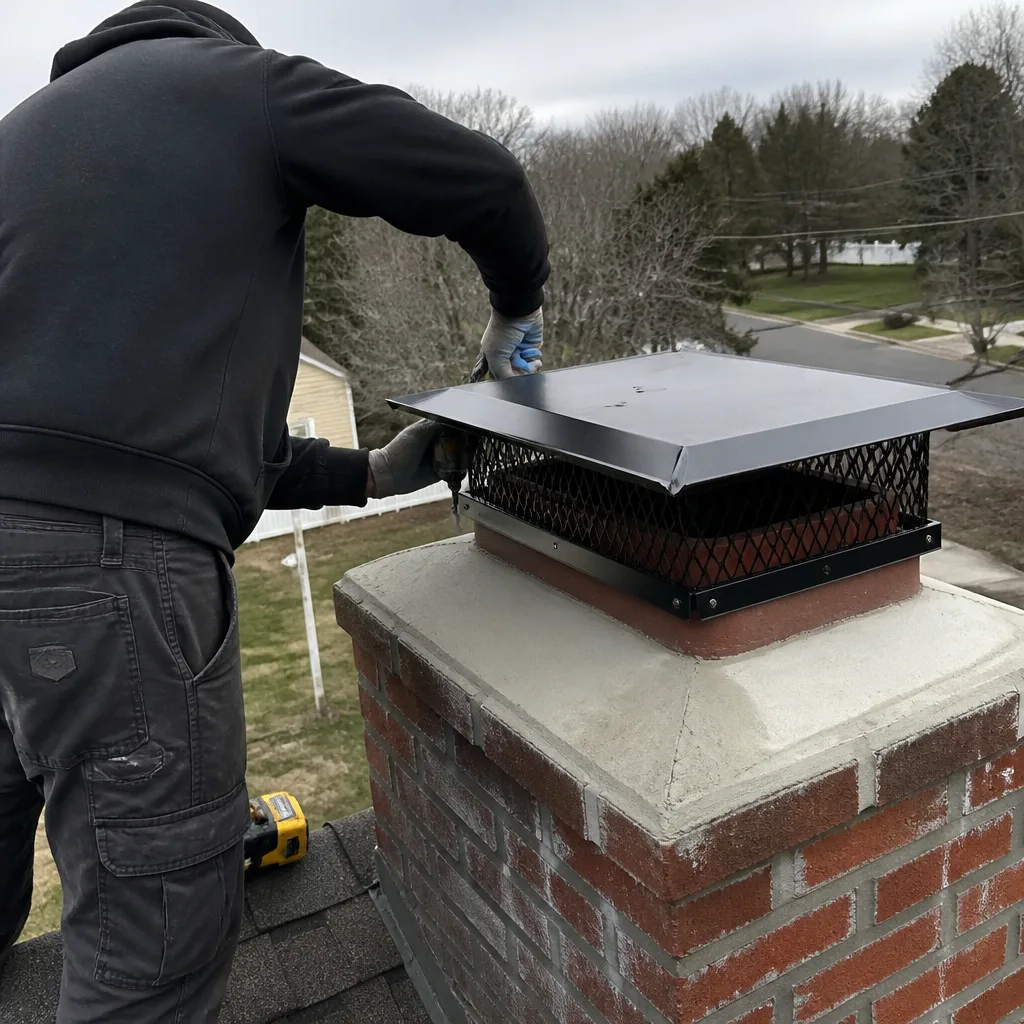 After
AfterThe Complete Guide to Chimney Cleaning in Brentwood
The CSIA reports that chimney fires cause over $125 million in property damage annually, but here’s what rarely gets said: the majority happen in chimneys that were cleaned on the wrong schedule, not skipped entirely. A Brentwood homeowner who sweeps every three years because “that feels about right” is often at higher risk than one who never thinks about it at all, because creosote builds in layers and the third-year glaze is a different animal than the first-year dust. This guide works backward from the five most common chimney failures we see on Long Island and shows you exactly what cleaning actually prevents, what it costs, and when it genuinely cannot wait. For more guides & resources, visit our blog.
Quick Answer
Chimney cleaning in Brentwood typically costs $189 to $340 for a standard sweep and Level 1 inspection, takes 45 to 90 minutes on site, and should be done once per year if you burn wood more than twice a week during the season. The single most important variable on Long Island isn’t how often you burn, it’s the humid salt air that turns first-degree creosote into second-degree glaze faster than inland climates. A legitimate Brentwood sweep leaves you with a written report, photo or video evidence, and a plain-English explanation of what actually needs doing, which is the only way to know if the $189 job is enough or if a $900 liner situation is brewing.
Table of Contents
- What Chimney Cleaning Actually Prevents (and What It Doesn’t)
- How Often Should a Brentwood Chimney Be Cleaned?
- Level 1, Level 2, and Level 3 Inspections: What Brentwood Homeowners Actually Need
- What a Legitimate Chimney Cleaning Looks Like From Start to Finish
- The Three Brentwood Situations Where Cleaning Can Wait (and the Two Where It Cannot)
- How to Read Your Sweep Report Without Needing a Translator
- Why Long Island Salt Air and Humid Summers Change the Creosote Math
- What Chimney Cleaning Costs in Brentwood in 2026
- Common Mistakes to Avoid
- When to Call a Professional
- Frequently Asked Questions
- The Bottom Line
What Chimney Cleaning Actually Prevents (and What It Doesn’t)
Chimney cleaning removes creosote, the tar-like residue that condenses on flue walls when wood smoke cools before it exits the chimney. That’s the whole job, and everything else a sweep does, inspecting the liner, checking the crown, verifying the damper, happens because they’re already there with eyes on the parts of your chimney no one else sees.
What cleaning prevents is specific, and Brentwood homeowners should know the list:
- Chimney fires. Creosote is flammable at 451°F, and a hot fire with an open damper can send flue temperatures past 1,000°F. A clean chimney starves a chimney fire of fuel. This is the one everyone knows about.
- Smoke backing into the house. A flue narrowed by creosote can’t draft properly. You notice it as a living room that smells like last night’s fire three days later, or smoke that curls into the room when you open the door.
- Accelerated liner corrosion. Creosote is acidic. On Long Island, where salt air is already working on anything metal, a creosote layer holds moisture against the liner and eats pinholes through stainless steel faster than you’d believe. The liner that might have lasted 20 years inland can fail in 12 here.
- Carbon monoxide backdraft. A partially blocked flue doesn’t always smoke. Sometimes it just vents the invisible stuff, carbon monoxide, back into the house. You won’t smell it. You won’t see it. Your CO detector will, if it’s working.
What cleaning does not do: it doesn’t fix a cracked flue tile, doesn’t repair a chimney crown, doesn’t replace a rusted damper, and doesn’t waterproof your brick. Those are repairs, and a good sweep tells you plainly which bucket you’re in. That’s also why the Chimney Repair in Brentwood conversation often starts during a routine cleaning, but should never end there. Your flue doesn’t care how the fire looks. It cares how it breathes.
How Often Should a Brentwood Chimney Be Cleaned?
Once a year, burn or no burn. Chimneys break in the off-season too.
The National Fire Protection Association standard, NFPA 211, says chimneys should be inspected annually and cleaned when creosote buildup reaches 1/8 inch. What that means in plain terms: if you burn wood more than twice a week during the October to April season, you get a cleaning every year. If you burn occasionally, a Saturday fire twice a month, you still want an inspection every year, and the cleaning happens when the inspection says it’s time.
Here’s the Brentwood-specific wrinkle. Our summers are humid in a way inland homeowners don’t deal with. That humidity works into whatever creosote is already in your flue and chemically changes it. First-degree creosote, which is dry and flaky and brushes right out, becomes second-degree creosote, which is gummy and sticks to the flue wall. Leave second-degree creosote through a few more burn cycles and it densifies into third-degree glaze, which is shiny, hard, and basically fuel that has fused to your chimney wall. And the salt air off the Sound accelerates corrosion on the metal parts the creosote is touching. This isn’t a scare story, it’s chemistry, and it’s why the “I only burn fires at Christmas” homeowner still needs an annual look.
We’ve had Brentwood neighbors tell us their father’s chimney went ten years without a sweep and was fine. Maybe. But the odds aren’t the same as they were in 1985. Modern EPA-certified stoves burn cooler and slower, which means more condensation, which means more creosote per cord of wood than your grandfather’s smoke-belcher ever produced. The schedule that worked for him doesn’t work for your insert.
Level 1, Level 2, and Level 3 Inspections: What Brentwood Homeowners Actually Need
The chimney industry recognizes three inspection levels, and the distinction matters because it’s the difference between a $200 visit and a $600 one. A Brentwood homeowner should know what each level actually means before anyone rings the doorbell.
- Level 1 inspection is what you get with a standard cleaning. The sweep examines all readily accessible areas, the firebox, the damper, the flue from the top and bottom, the exterior chimney from the ground. No special tools. No camera. This is appropriate when nothing has changed since the last clean sweep, same appliance, same use pattern, no known problems.
- Level 2 inspection adds a video scan of the flue interior and access to the attic, crawlspace, or roof. You need a Level 2 when you buy a home, when you change the appliance or liner, after a chimney fire, after a storm or lightning strike, or if the house is new to you and you’ve never had the flue looked at.
- Level 3 inspection involves removing parts of the chimney structure, brick, crown, sections of flue, to see what’s behind or inside. This is rare and happens when a Level 2 finds something that requires destructive access to diagnose.
For most Brentwood homes, the answer is Level 1 annually if you’ve owned the house a while and nothing’s changed. If you just bought the house, insist on a Level 2 before you close or within the first month. Suffolk County homes built in the 1960s and 1970s, and Brentwood has thousands of them, often have original clay tile liners that haven’t been camera-scoped since installation. The camera footage and a plain-English verdict is the only way to know what’s actually in there. Every time. No exceptions.
What a Legitimate Chimney Cleaning Looks Like From Start to Finish
A real chimney cleaning in Brentwood takes about 45 to 90 minutes on site, and the sweep should arrive in uniform with a drop cloth for your floor and a Hepa-filter vacuum running the whole time. Here’s the sequence, because knowing what should happen keeps you from paying for a vacuum pass and calling it a cleaning.
- Setup. Drop cloths go down around the fireplace. The sweep closes the damper and seals the firebox opening with tape and plastic or a fitted shield. The vacuum, usually a commercial unit with a Hepa filter, gets positioned and running before the brush touches anything.
- Brush from the top or bottom. Most Brentwood sweeps work from the roof and use rotary or whip-style brushes attached to drill-driven rods. A proper cleaning scrubs the entire flue length, from the rain cap down to the smoke shelf. If someone is standing in your living room waving a hand brush around for ten minutes, that’s not a cleaning.
- Smoke shelf and firebox cleanup. The smoke shelf above the damper is where creosote and debris collect. A thorough sweep vacuums that out, along with the firebox, and the damper gets opened, inspected, and operated to confirm it seats correctly.
- Visual inspection. Flue walls checked for cracks, gaps, spalling. Crown and brick exterior checked for water damage. Rain cap and flashing checked from the roof. This is when the sweep notices the missing mortar joint that’s been letting water run behind your drywall.
- The write-up. A legitimate cleaning ends in writing. You should get a report that states creosote level found, what was done, what was observed, and what, if anything, needs attention. If you get a verbal “all good” and a receipt, you got a partial service. Ask for the write-up.
Top Hat Chimney has done it this way since 1999. The report is not an upsell document, it’s a condition statement. We use Olympia Chimney and Gelco products when something does need replacing, but the report is independent of the recommendation. If the liner is fine, the report says the liner is fine.
The Three Brentwood Situations Where Cleaning Can Wait (and the Two Where It Cannot)
Not every chimney needs a sweep this month. Here’s the honest split, the same conversation Wendell has with a homeowner at the kitchen table.
It can wait if:
- You didn’t burn at all last season. If the fireplace sat cold from October to April, and you had it cleaned after the previous season, an annual inspection will confirm nothing moved in. The cleaning itself can wait until you actually burn. But don’t skip the look, especially in Brentwood, where raccoons and squirrels move into uncapped chimneys with depressing regularity.
- You burned only seasoned hardwoods and had a clean report last year. Oak and maple burned hot and complete leave less creosote than pine or unseasoned wood. A homeowner who burned a cord of well-seasoned oak may be under the 1/8-inch threshold after one season. The report from last year tells you.
- The chimney is unused and capped, and the damper is closed. Capped, sealed, no animals, no moisture. The inspection confirms it, and you move on.
It cannot wait if:
- You smell smoke or a campfire smell in the house when the fireplace is cold. That smell means creosote is present in enough quantity to off-gas, or the draft is pulling air back down the flue and into the house. Either way, the chimney is telling you it’s blocked or loaded. Listen to it.
- You hear a ticking or dripping sound in the chimney, or see black flakes falling into the firebox. Black flakes are second-degree creosote detaching from the flue wall. The flue has already narrowed and needs a sweep before the next fire. This isn’t a maintenance issue, it’s a fuel deposit waiting for a spark.
When a Brentwood homeowner calls and describes either of those two symptoms, we schedule the cleaning, and we tell them not to burn until we’ve had eyes on it. That’s not an upsell. That’s the difference between a cleaning and a chimney fire claim.
How to Read Your Sweep Report Without Needing a Translator
Most homeowners glance at the report, see words like “creosote” and “glaze,” and then ask the tech what it means. You don’t need to be dependent on anyone to read the basic condition of your chimney. Here’s the plain-English decoder for what a Brentwood sweep report should tell you.
- Creosote degree: first, second, or third. First-degree is flaky and dry, and it brushed out. Second-degree is gummy, and it took effort to remove. Third-degree is hard glaze, and a brush alone won’t remove it; you’re into chemical treatments or mechanical removal. If your report says third-degree, the cleaning alone wasn’t the fix. Third-degree is a glaze, catch it early.
- Linear feet of flue and measurement points. The report should state the flue dimensions and the points measured. Ifit only says “cleaned,” without noting creosote degree or thickness, ask what was actually measured.
- Liner condition. Words like “hairline cracks,” “spalling,” “gaps at joints,” or “corrosion” all mean water or heat damage to the liner. A clean sweep who notes these is doing their job. What happens next depends on severity and location; some hairline cracks can be monitored, some need relining.
- Crown and cap notes. The crown is the concrete cap on top of your chimney. Notes about cracks, spalling, or missing mortar mean water is entering the brick above your roofline. In Brentwood’s freeze-thaw winters, that water expands and contracts, and a small crack in October is a fist-sized spall by March.
- Damper condition. A damper that doesn’t seat fully bleeds heated air up the flue all winter, and in the summer, humid air comes down. The report should state whether the damper opens, closes, and seals.
Read the report like a medical chart: the diagnosis is in the details, not the summary line. And if a report ever says work is needed without showing you why, on camera footage or at least a photo, you’re entitled to a second opinion. Top Hat Chimney performs chimney cleaning and sweeping in Brentwood with a camera on every inspection, and we encourage homeowners to look at the screen with us while it’s live. The footage doesn’t lie, and neither should a report.
Why Long Island Salt Air and Humid Summers Change the Creosote Math
The standard chimney-cleaning advice, “clean once a year,” was written for inland climates where winter is dry and summer is dry. Long Island is neither. Brentwood sits four miles from the Great South Bay and eight from the Sound, and that geography changes how fast creosote converts and how hard it is to remove.
Here’s the mechanism. Creosote forms when smoke cools below 250°F and the unburned particles condense on the flue wall. In a dry climate, that creosote stays dry and flaky. In a humid climate, the creosote absorbs moisture from the air, even during the summer when you’re not burning. That moisture acts as a catalyst, allowing the creosote to polymerize, which is the chemical word for “turn into something harder and stickier.” First-degree becomes second-degree without you burning a single additional fire.
The salt is a separate problem. Salt air is corrosive to metal, full stop. Your flue liner, your damper assembly, your rain cap, they’re all metal. When salt-laden moisture sits against a creosote-coated liner, the creosote holds the moisture in place, and the corrosion works its way through faster than it would on bare metal in dry air. We’ve seen stainless liners in Brentwood with pinhole corrosion after eight years that would have lasted twenty in Albany.
What does this mean for your cleaning schedule? It means the annual inspection isn’t optional, even in years you barely burned. The visual check catches the moisture-creosote interaction before it becomes a glaze problem or a corrosion problem. And it means the products used for repairs matter. In Brentwood, where the salt and humidity are working year-round, we use Famco and Copperfield caps and dampers, because the cheap big-box versions don’t hold up the same way.
What Chimney Cleaning Costs in Brentwood in 2026
A standard chimney cleaning with a Level 1 inspection in Brentwood runs from $189 to $340. The spread depends on the size of the flue, the height of the roof, the degree of creosote buildup, and whether the chimney has a cap, a liner, or an insert that affects access. A second floor chimney with a steep roof pitch costs more than a single-story ranch, and that’s reasonable; the sweep is on a ladder carrying gear.
Here’s the breakdown by service level, current for Brentwood’s 2026 market:
- Standard cleaning and Level 1 inspection: $189 to $290 for a single flue, single-story roof. Add $40 to $80 for a second floor or steep pitch.
- Level 2 inspection with video scan: $250 to $450, typically added when buying a home or after a chimney fire. The camera scan alone is usually $150 to $250 if you’ve already had a cleaning.
- Creosote glaze removal (third-degree): $400 to $800, depending on flue length and severity. This involves chemical treatment or rotary chain removal, not a brush.
- Chimney cap installation: $175 to $500, depending on material and size. A basic galvanized cap is the low end; a stainless Famco cap in a salt-air location like Brentwood is the higher end and the better call.
- Flue liner repair or replacement: $1,000 to $4,500, depending on liner type, flue length, and access. This is the conversation that starts with a camera finding cracks or corrosion.
These are Brentwood market prices, not national averages. The national chains often quote a low “sweep special” then add fees for height, creosote degree, “missing caps,” and “safety repairs” before the truck is unloaded. If you want a number that matches the invoice, ask for the total before the visit, in writing, and hold the company to it. Top Hat Chimney’s position is simple: the price quoted is the price billed, and if we find something that changes the scope, we stop and show you before we do anything else. A number you can trust beats a number that moves.
Common Mistakes to Avoid
- Using unseasoned wood because “it was cheap.” Wet or green wood burns cool and produces more smoke, which means more creosote per fire. A cord of unseasoned pine can create as much creosote in one season as three cords of seasoned oak. If you can’t split it with one swing, it’s not ready.
- Skipping the inspection because “we didn’t burn much.” The inspection isn’t only about creosote. It’s about animals, water entry, cracked crowns, deteriorating mortar, and rusted dampers. Those problems don’t stop because you didn’t light a fire.
- Accepting a verbal “all good” from a sweep. A legitimate cleaning ends with a written report. If you didn’t get one, you don’t know the creosote degree, the liner condition, or the damper status. Ask for it.
- Replacing a cap with the cheapest option from the hardware store. A $40 big-box cap in Brentwood’s salt air rusts through in three to five years. A stainless cap from a manufacturer like Famco costs more upfront and lasts two or three times as long.
- Wait to clean until fall because “chimney season” starts then. Chimney problems don’t follow a calendar. Water entry in July is doing as much damage as a chimney fire in February. Once a year, and the time is when the report says it’s time.
- Hiring the lowest bidder without checking who they are. A sweep with a magnetic sign on a truck and a $99 special might do a fine job. Or they might vacuum your firebox and call it a cleaning. Ask for a license number, a physical address, and a recent Brentwood reference.
- Ignoring the smell of a fire that’s been out for days. That smoke smell in your living room in June is creosote off-gassing. It means the flue is loaded and needs attention before the next burn. Don’t burn through it; sweep it.
When to Call a Professional
You should call a chimney professional when you see black flakes in the firebox, smell smoke when the fireplace is cold, notice water stains on the ceiling near the chimney, hear animals in the flue, or after buying a home in Brentwood where the chimney’s history is unknown. Any of these means the chimney needs eyes you can’t give it yourself. A homeowner without a ladder, a camera, and the training to spot hairline cracks and early spalling is doing guesswork, and guesswork with fire is a poor plan.
Top Hat Chimney offers free estimates in Brentwood. Wendell Pike has been at this since 1999, and the number is (934) 935-3847. The call starts with a human voice, not a menu.
Frequently Asked Questions
A standard chimney cleaning with a Level 1 inspection in Brentwood costs $189 to $340 depending on roof height, flue size, and creosote degree. A homeowner in a single-story ranch with a clean-burning history pays the lower end; a two-story home with third-degree glaze pays more because the job is bigger. Call (934) 935-3847 for a firm quote before anyone brings a ladder off the truck.
You need a new liner when the camera shows cracks, gaps, spalling, or corrosion that allows heat or gases to reach the combustible structure around the flue. Hairline cracks in a clay tile liner can sometimes be monitored; a stainless liner with pinhole corrosion in Brentwood’s salt air needs replacement. The proof is in the footage, and any company that recommends a liner without showing you the camera evidence is asking you to buy on faith. Get the footage.
Once a year if you burn wood more than twice a week, and at minimum an annual inspection even if you burn rarely. The NFPA standard is to clean when creosote reaches 1/8 inch, which for most active-burning Brentwood homes means a sweep every season. Homes with occasional fires may go longer between cleanings, but the inspection shouldn’t wait.
Skipping a cleaning allows creosote to build in layers, and on humid Long Island, that creosote converts from dry and flaky to gummy and eventually to a hard glaze that a brush can’t remove. You’ll eventually develop a chimney fire risk, a drafting problem that pushes smoke back into the house, or a corrosion situation where salt air and creosote work on your liner together. The $250 sweep becomes a $3,000 liner replacement.
It’s possible to brush a first-degree creosote flue yourself with the right tools and a good ladder, but it’s never fully safe to do it without a HEPA vacuum, a chimney cap check, and an inspected ladder setup. And climbing onto a roof in Brentwood during the fall, with wet leaves and moss on the shingles, is a leading cause of homeowner injury every year. The cleaning itself is only half the value; the inspection is the other half. Hire a professional who reports what they saw.
Ask for a written report that states creosote degree, liner condition, damper status, and crown condition. Ask for photos or video of anything they recommend. Ask for a license number and a physical business address in Brentwood or nearby. If a company won’t provide all three, find a different one. The honest companies welcome the question. A second opinion on any written estimate is Top Hat Chimney’s standing offer, and it’s free.
The Bottom Line
Chimney cleaning in Brentwood is not a luxury service and not a scam, it’s the maintenance that stands between a working fireplace and a fire claim. The annual sweep, the written report, the camera inspection, and the honest answer about what can wait are all part of the same discipline: know what’s in your chimney before the chimney tells you in a language you don’t want to hear. Brentwood’s salt air and humid summers mean the standard inland schedule isn’t optional here, and the difference between a $250 sweep and a $4,000 liner replacement is often one season. For a complete year-round plan, see our Seasonal Chimney Cleaning Care for Brentwood: Year-Round Homeowner’s Guide.
If you live in Brentwood or anywhere in Suffolk County and you haven’t had the chimney looked at this year, call (934) 935-3847. Wendell answers the phone, the quote is the quote, and the report comes with footage you can see for yourself. That’s how it’s been since 1999, and that’s how it stays.
Written by Wendell Pike, Owner at Top Hat Chimney, serving Brentwood since 1999.