
Last updated September 10, 2026
Level 1 sweep and inspection to the NFPA 211 annual standard - flue, crown, cap, and flashing checked and photographed
Chimney sweep logs do not sweep chimneys. They loosen some creosote - which then falls where a brush and vacuum still have to collect it.
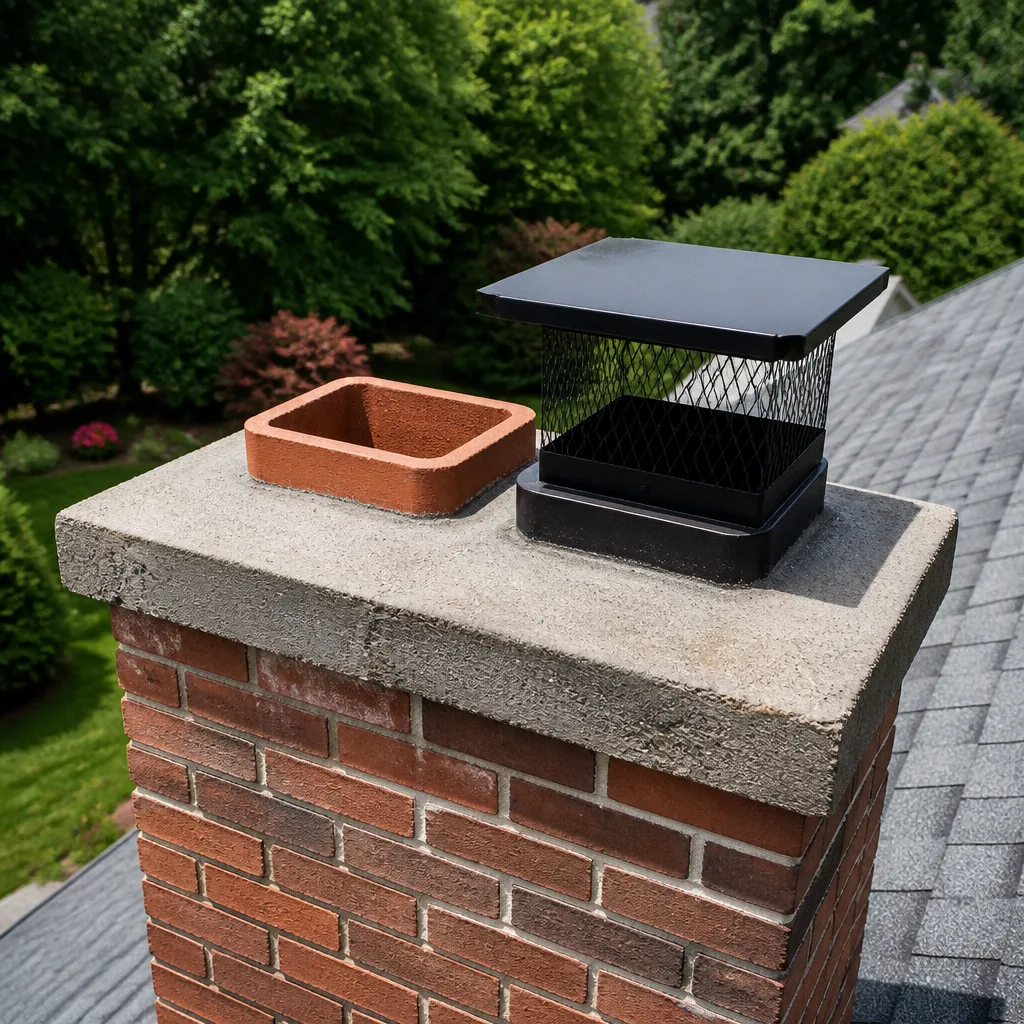
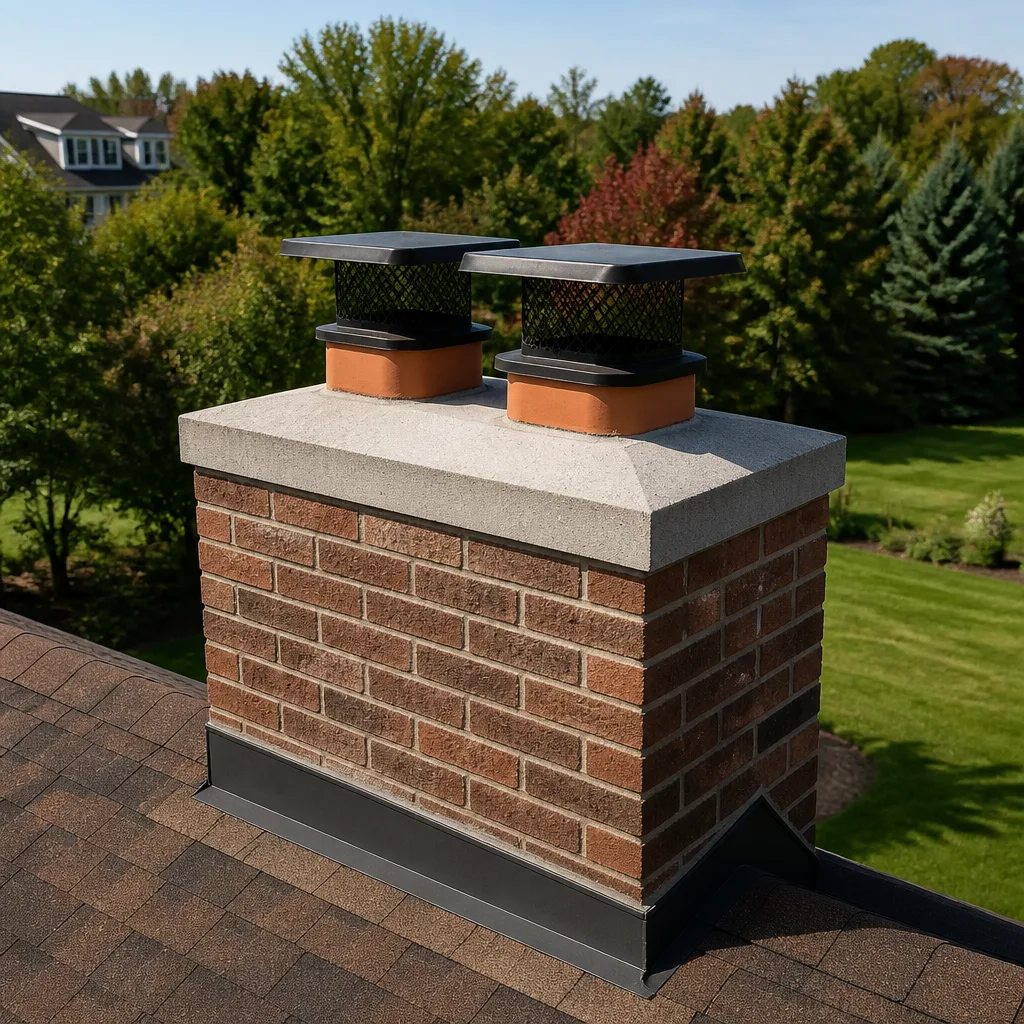
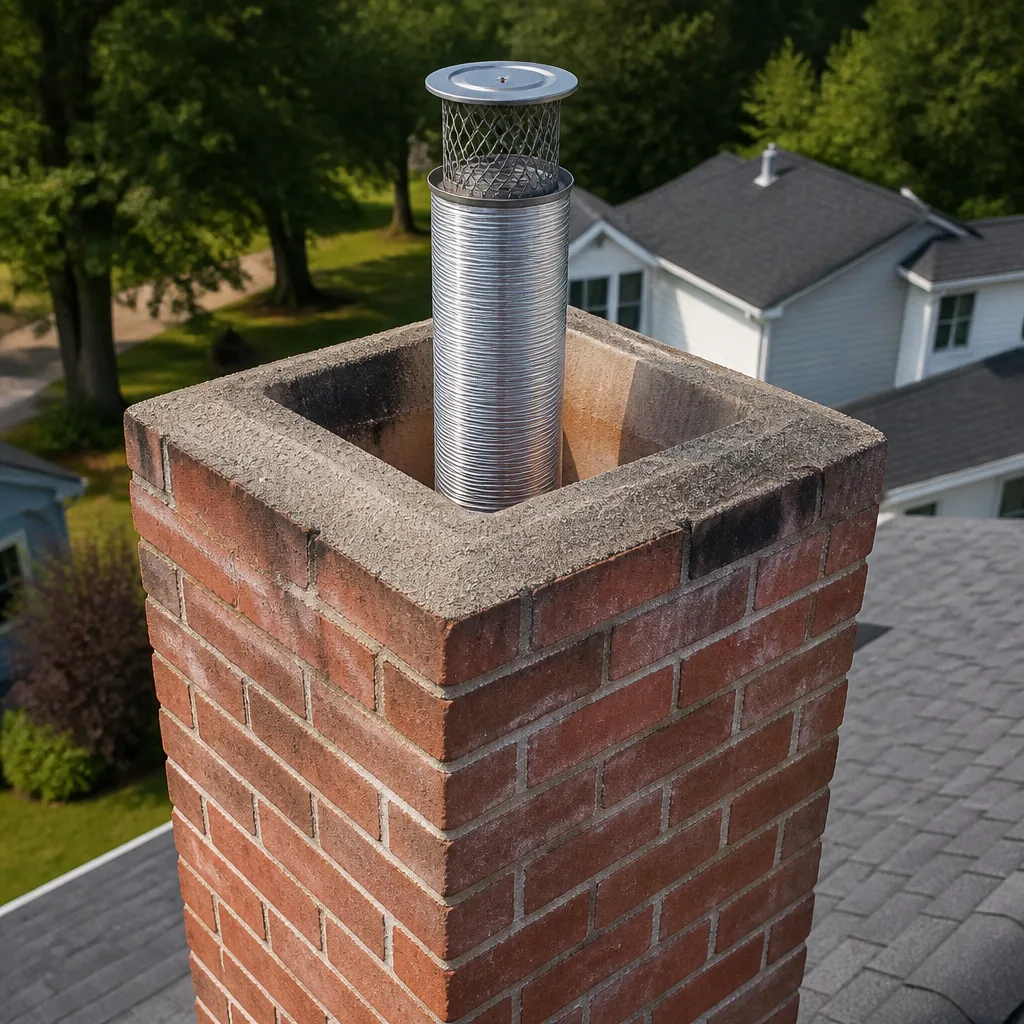
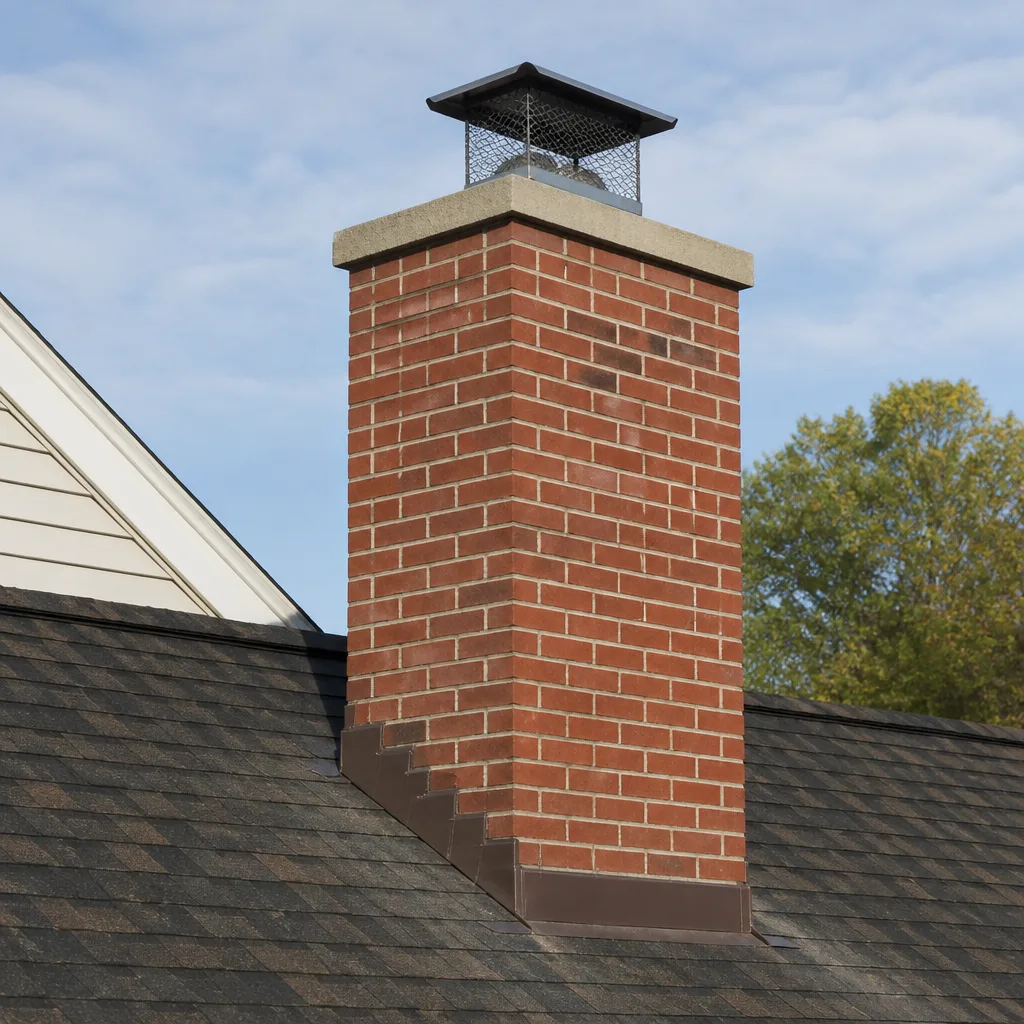
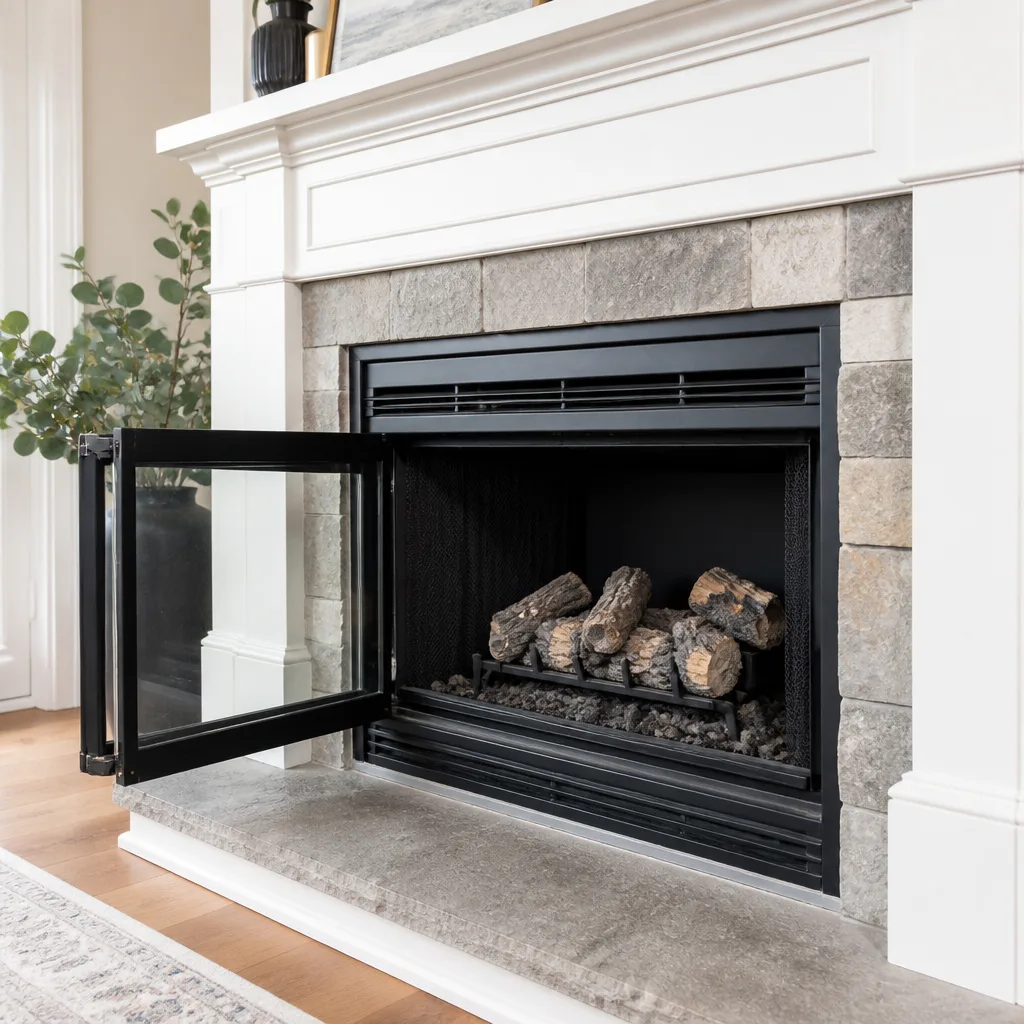
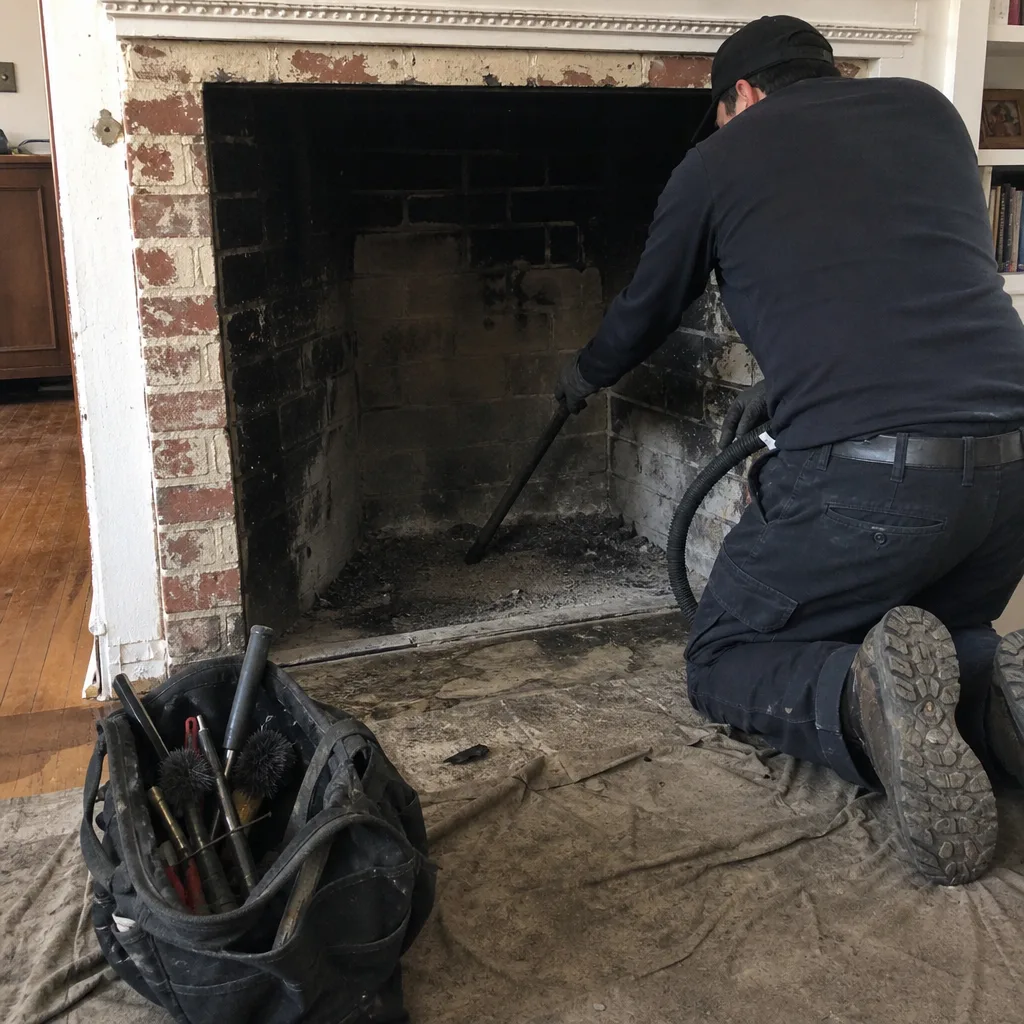 Before
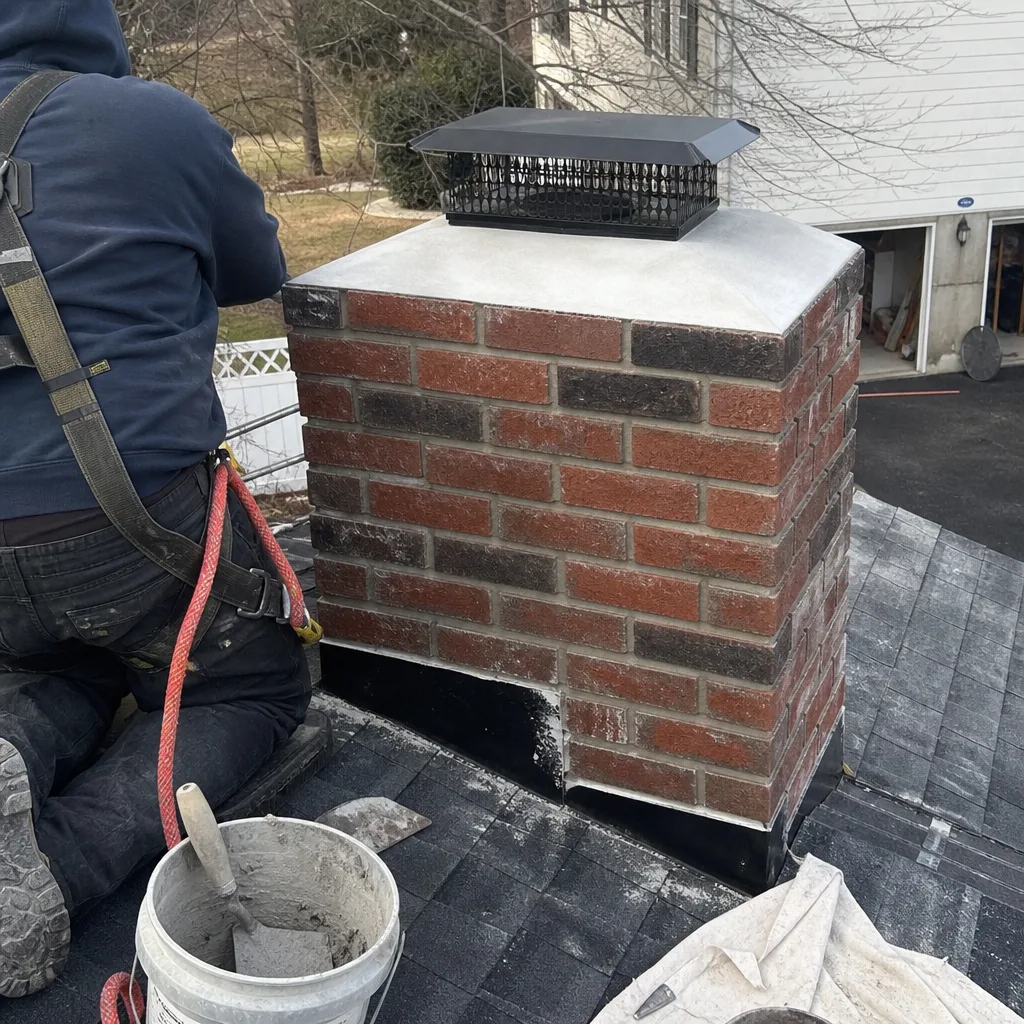 After
After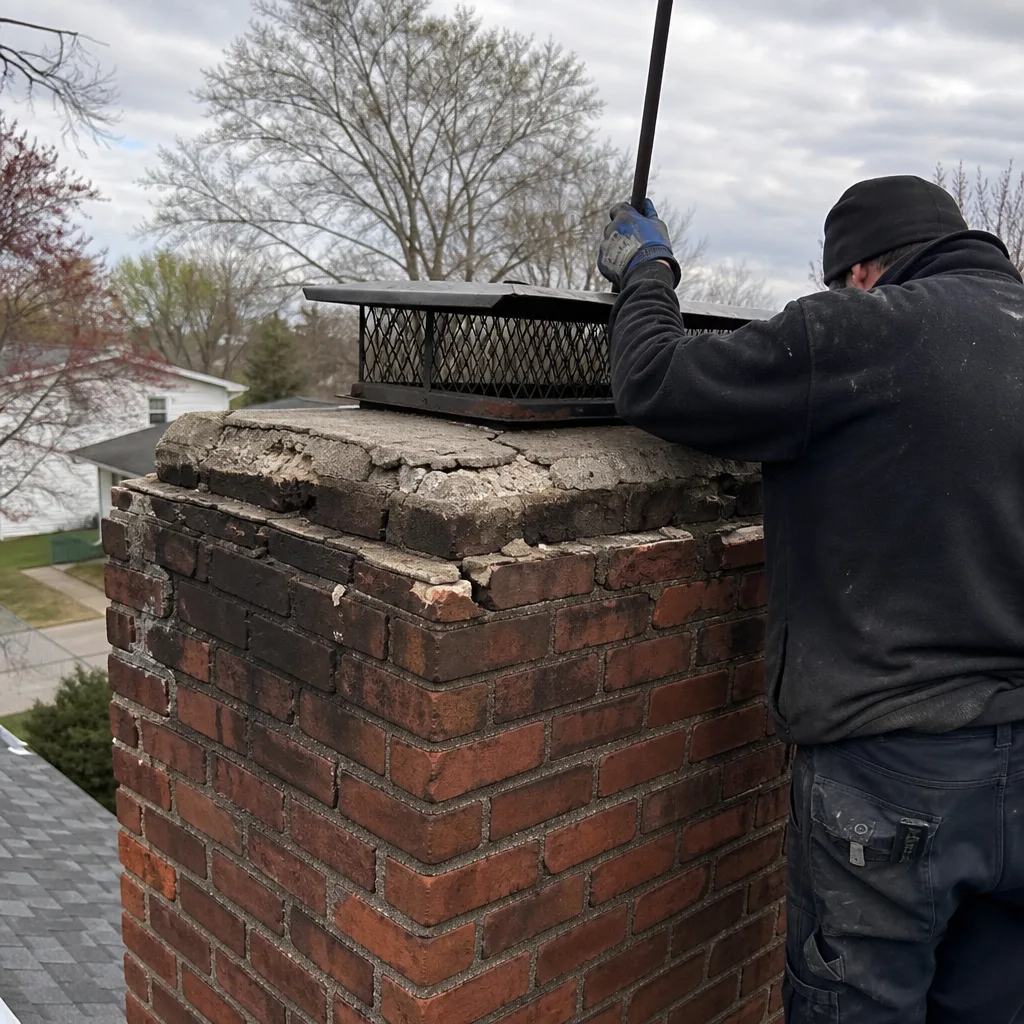 Before
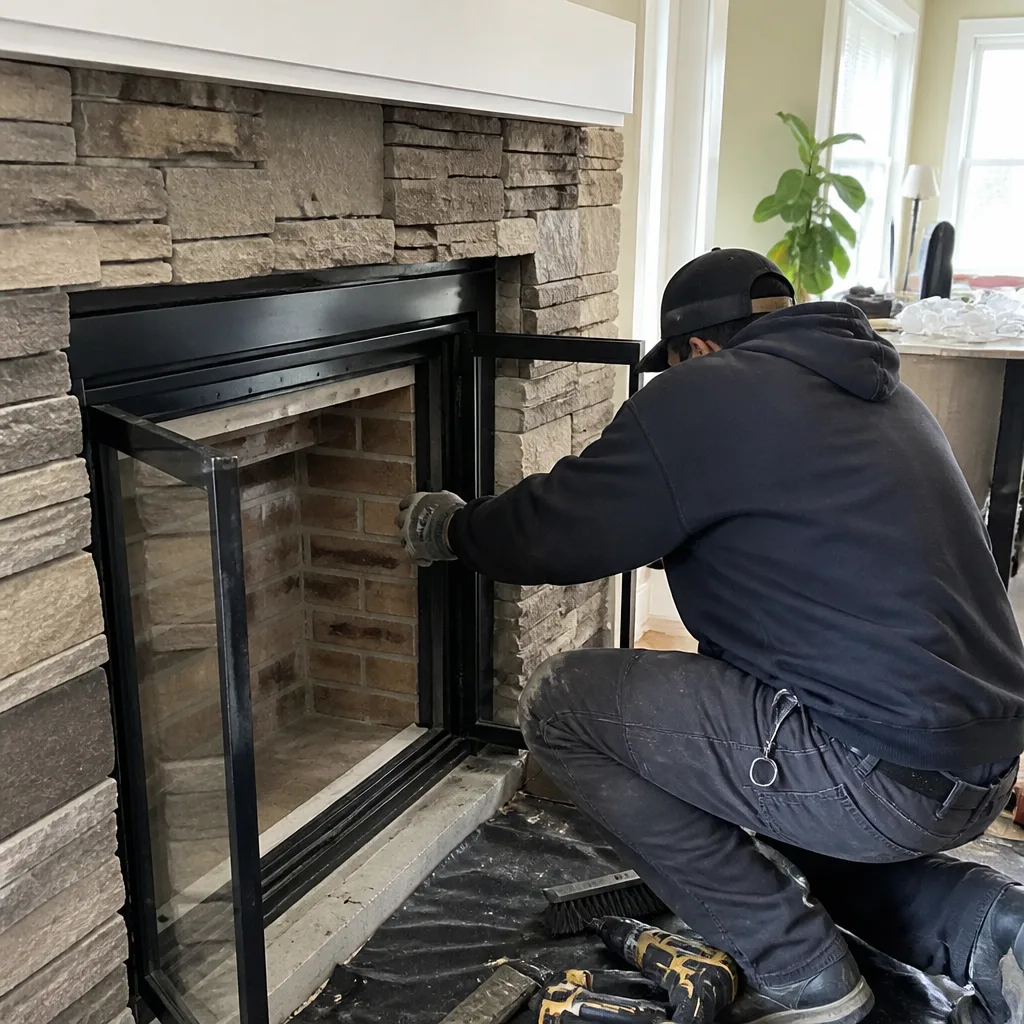 After
After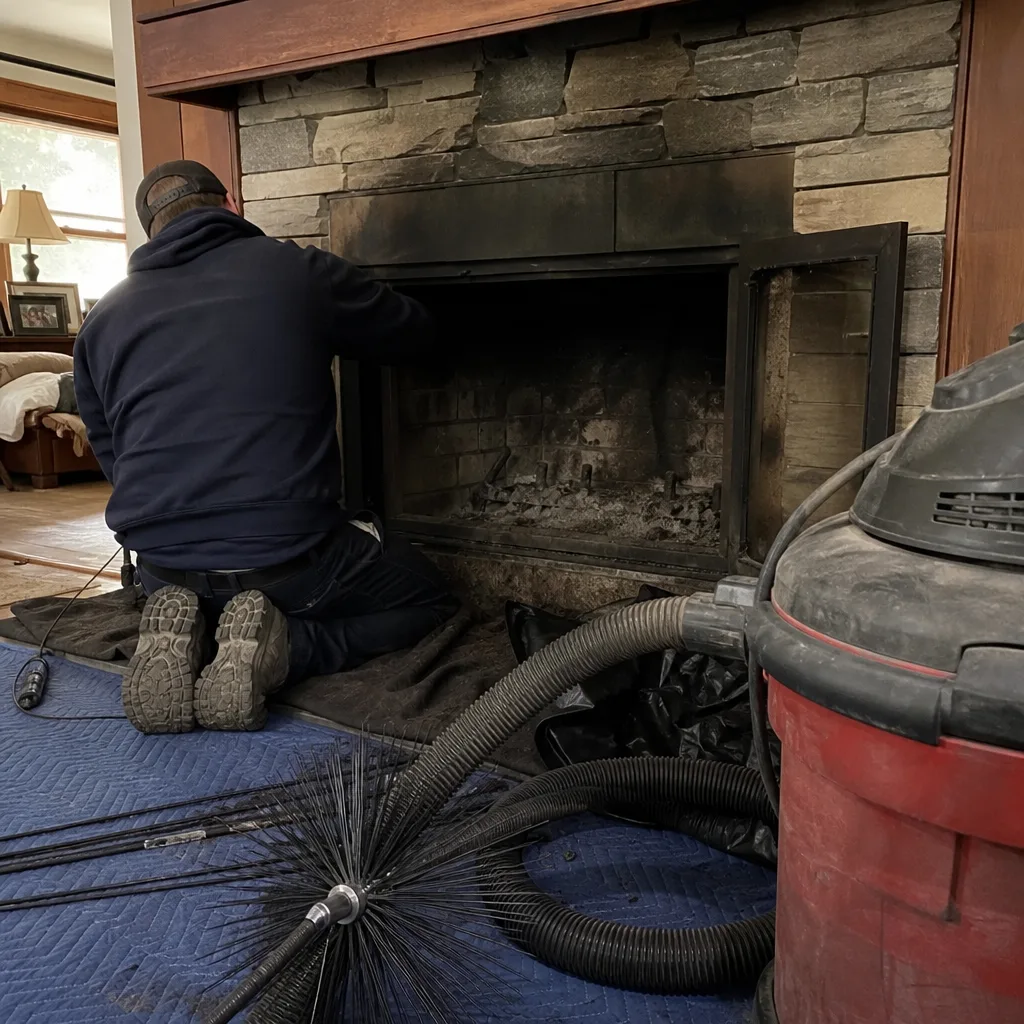 Before
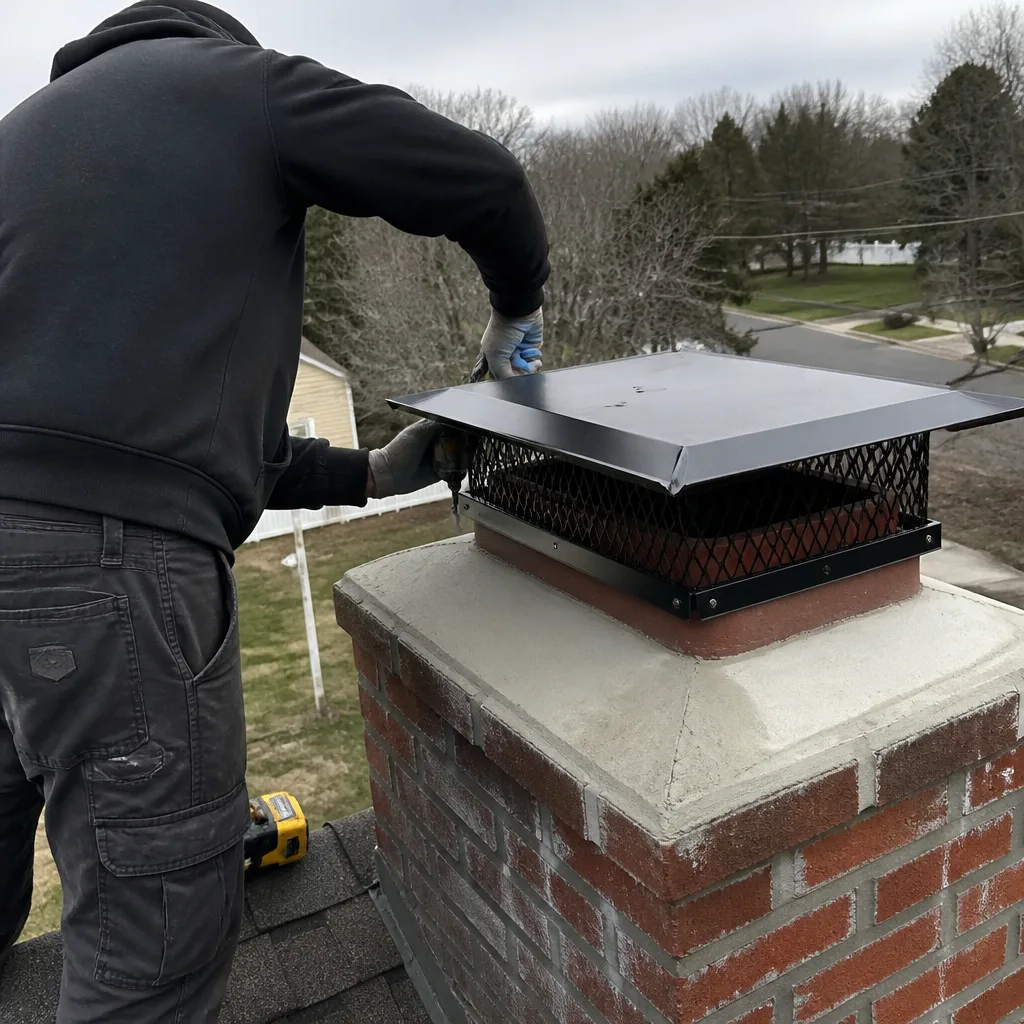 After
AfterHow to Hire a Chimney Cleaning Contractor in Brentwood: A Step-by-Step Guide
Suffolk County sees a spike in chimney scam complaints every fall. Most victims say the same thing: the truck looked professional and the price on the phone sounded reasonable. Then the sweep got on the roof, came back down shaking his head, and suddenly a $149 cleaning became a $4,800 liner job that “absolutely cannot wait.” This guide gives Brentwood homeowners the specific questions, documents, and red flags that separate legitimate sweeps like Wendell Pike from the bait-and-switch outfits working the same neighborhoods.
Quick Answer
A chimney sweep in Brentwood should provide a written, line-item estimate before work begins, show proof of New York State licensing and insurance, and give you camera footage that verifies every repair recommendation. Avoid any contractor who quotes “starting at” prices without seeing the chimney, refuses to put numbers on paper, or claims urgent repairs without showing you the problem on video.
Table of Contents
- The Exact Documents to Ask For Before Anyone Gets on Your Roof
- How to Verify a New York State Chimney Contractor’s License in 5 Minutes
- What a Legitimate Written Estimate Includes (vs. a Vague “Starting At” Quote)
- The Four Phone Questions That Expose a Fly-by-Night Operation
- Why the Lowest Bid in Brentwood Is Almost Never the Lowest Final Invoice
- What a Real Guarantee Looks Like in Writing
- Common Mistakes to Avoid
- When to Call a Professional
- Frequently Asked Questions
The Exact Documents to Ask For Before Anyone Gets on Your Roof
Before a chimney sweep sets foot on your property in Brentwood, you should have three documents in hand. Not verbally confirmed. In hand. This single step eliminates most of the bad actors operating in Suffolk County, because the bait-and-switch crews rarely carry these papers and rely on you not asking.
First, ask for the contractor’s Nassau/Suffolk home improvement license number. In New York State, home improvement contractors working in Suffolk County must register with the county’s Office of Consumer Affairs. Brentwood falls under Suffolk County licensing, which is distinct from Nassau County. A sweep who works both sides of the county line should carry both. Wendell Pike’s license number is printed on every Top Hat Chimney estimate and invoice, not tucked away in a file somewhere.
Second, ask for a certificate of liability insurance with the contractor’s name on it as the policyholder. Not a policy that belongs to a subcontractor or a “partner company.” The certificate should list general liability coverage of at least $1 million and workers’ compensation coverage. When a chimney sweep climbs your roof with brushes and rods, that’s roof traffic, and roof traffic means fall risk. If the worker gets hurt on your property and the company has no workers’ comp policy, you could be on the hook.
Third, ask for a written estimate on company letterhead before work starts. We’ll cover what this should include in a moment, but the key point is that it exists as a document you can hold, compare, and use as a benchmark against the final invoice. A contractor who won’t put numbers on paper before starting work is telling you something about how the final invoice gets written.
One more thing: check that the local address is real. A no-address “regional service” that covers “all of Long Island” is often a roving operation with no physical presence anywhere near Brentwood. Wendell’s address is published. He runs into you again on Saturday. That’s how local business is supposed to work.
How to Verify a New York State Chimney Contractor’s License in 5 Minutes
Having the license number is one thing. Verifying it is another, and it takes less time than ordering a cup of coffee.
Here’s the sequence:
- Go to the Suffolk County Department of Labor, Licensing, and Consumer Affairs online license search.
- Enter the contractor’s name or the license number they gave you.
- Check that the name on the license matches the name of the person or company that actually shows up at your door.
- Look for the license’s expiration date and any complaint history or disciplinary actions.
- Call the license number listed in the database if you have any doubt.
This matters in Brentwood because fly-by-night sweep operations have two moves they run over and over. They either present a license number that belongs to someone else (a dissolved company, a relative, a name they leased), or they tell you licensing “doesn’t apply” to chimney cleaning. That second claim has been false in Suffolk County for decades. Chimney sweeping is home improvement work, and it requires a license.
We’ve seen homeowners in Brentwood bring us estimates from companies that, when checked against the county database, showed licenses expired by two years. One outfit had four open complaints for overcharging and bait-and-switch tactics. The homeowner had no idea because the estimate looked official: a nice logo, a crisp font, a reference to “all applicable license requirements.” None of that means a thing if the license number doesn’t check out.
It takes five minutes. Do it before the sweep is on your roof.
What a Legitimate Written Estimate Includes (vs. a Vague “Starting At” Quote)
A real estimate from a real chimney company in Brentwood lists specific work, specific parts, and specific prices-see our Chimney Cleaning Cost Breakdown for what that looks like. A vague quote says “chimney cleaning: starting at $149” and waits until the technician is in your living room to explain what the “starting” price didn’t cover.
Here’s what a written estimate from a qualified sweep should spell out:
- The exact scope of work, including the type and size of the flue being cleaned
- Whether the price includes a chimney cap inspection, crown check, and smoke chamber access
- Any additional charge for creosote removal beyond a standard buildup
- The brand and model of any replacement parts (chimney caps, dampers, flashings)
- Whether the price includes rooftop access or ground-level work only
- A breakdown of labor vs. parts vs. disposal fees
- The contractor’s name, address, and license number printed on the document
- A clear payment schedule and what triggers additional charges
Compare that against a verbal quote, which will say “oh, it’ll probably be around $200” and then transform into $600 or $800 once the “inspection” finds “heavy creosote” and “a cracked liner that will need immediate replacement.”
At Top Hat Chimney, the number Wendell gives you over the phone is the number on the invoice. That’s not a sales tactic; it’s how a local owner-operator runs a business in a place like Brentwood. If you upcharge your neighbor on Tuesday, you run into him at the church on Sunday.
The takeaway: ask for line items. A responsible company adds them without being asked. A bait-and-switch company avoids them at all costs.
The Four Phone Questions That Expose a Fly-by-Night Operation
Before you even schedule an appointment, you can screen a lot of bad actors with four questions on the phone. The right company answers these without a pause. A scam operator stumbles.
- “Are you licensed in Suffolk County, and what’s your license number?” A legitimate sweep will give it to you without hesitation. A fly-by-night operation will shift topic, claim licensing doesn’t apply, or promise to “bring it with us” and never do.
- “Who will be doing the actual work?” Ask if it’s an owner-operator, an employee, or a subcontractor. Brentwood homeowners often assume the person on the phone is the person on the roof, and that assumption gets exploited. The wrong answer is “our techs” with no name and no face. The right answer is a name and a biography: “Wendell himself will be there, with his crew if needed.”
- “What’s your physical address in Suffolk County?” A post office box or a town 90 miles away is a warning sign. A local address matters because it means accountability: you can show up if the guarantee is ignored. Top Hat Chimney’s address is published. If a contractor won’t tell you where they’re based, that’s the whole conversation.
- “Can you put your price in writing before you start?” The right answer is “yes, always.” The wrong answer is “we’ll see when we get there” or “it depends on what we find.” Every chimney has unknown conditions, but a professional budget for unknown conditions and writes estimates with contingencies. They don’t use vagueness as a billing tool.
Write the answers down. If any of them feel evasive, move on to the next name on your list. The Brentwood chimney market has enough legitimate operators that you don’t need to gamble on the ones who won’t answer straight questions.
Why the Lowest Bid in Brentwood Is Almost Never the Lowest Final Invoice
The scam math works like this: a low-ball estimate gets the truck to your door. The sweep cleans the chimney, then finds something that will “require immediate attention” before you can safely burn. The fix is never cheap. The final invoice is two, three, four times the original quote. And the homeowner pays it because they’re frightened and because the contractor has already done the work and is standing in their living room.
This sequence is predictable. It follows the same pattern across Suffolk County, including Brentwood:
- Step One: A “$129 chimney sweep” or “$89 fall special” ad pulls in calls.
- Step Two: The sweeper performs a legitimate-looking cleaning, often with professional equipment and a uniform.
- Step Three: The technician announces a critical problem: a cracked flue tile, a gap in the liner, a deteriorated crown. The problem may be real, exaggerated, or invented.
- Step Four: The technician sketches a dire scenario and quotes a “today-only” price, often with pressure language about carbon monoxide or chimney fires.
- Step Five: The homeowner, panicked, authorizes work that should have been bid separately by two or three competitive quotes.
The tell is the timing. A legitimate chimney company doesn’t need to rush you into a five-figure repair based on a visual glance from the roof. Wendell’s policy is the opposite: the camera footage and a plain-English verdict, every time, no exceptions. If he sees a problem, he shows it to you. If it can wait, he says so. Your flue doesn’t care how the fire looks. It cares how it breathes.
Brentwood homeowners should get a second opinion on any high-ticket chimney repair recommended by a cold-call or coupon sweep. Top Hat Chimney offers that second opinion free, and it has saved thousands of dollars for homeowners who didn’t realize the first “emergency” was a $40 chimney cap that got described as a full re-flashing job.
What a Real Guarantee Looks Like in Writing
Every chimney company will tell you they stand behind their work. The distinction between a real guarantee and a verbal promise is whether it exists on paper, who signs it, and what happens when you call.
A legitimate written guarantee should state:
- The exact work covered (chimney cleaning, cap installation, liner repair)
- The duration of coverage in days or months, not vague language like “for a reasonable period”
- Who is responsible for labor and parts if a fix is needed
- What the company will do if the original work fails
- A specific process for making a claim, including a phone number and response commitment
- The company owner’s name and signature, not just a company stamp
Top Hat Chimney’s 90-Day Done Right Promise is written on every job. If the work isn’t done right, one call brings Wendell back. That’s not a policy manual; it’s a one-sentence promise with his name attached to it. In Brentwood, where neighborhoods are tight and word travels fast, a promise like that has teeth because Wendell is going to run into you again at the grocery store.
Ask to see the warranty in writing before you sign anything. A verbal promise evaporates the moment the truck turns the corner.
Common Mistakes to Avoid
- Hiring based on price alone. In Brentwood, chimney cleaning prices cluster within a predictable range. A bid that is drastically lower than everyone else’s is a red flag, not a bargain. The low price is usually a down payment on a bigger upsell later.
- Not verifying the license. Most scam complaints in Suffolk County involve contractors whose license was suspended, expired, or never existed. Five minutes on the county database would have caught it.
- Letting someone “inspect” from the living room and quote from memory. A sweep who doesn’t get on the roof or run a camera up the flue isn’t inspecting anything. They’re performing.
- Accepting a verbal “guarantee.” Verbal promises can’t be enforced, and they’re worthless when the phone number stops being answered.
- Paying in full before work is complete. Reputable Brentwood chimney companies don’t require full payment upfront for routine work. A deposit is normal; full prepayment is a warning.
- Ignoring your gut when the pressure starts. “Today only” pricing is a manipulation tactic. Legitimate companies quote the same price tomorrow because the work is the same tomorrow.
When to Call a Professional
Some jobs belong on the roof and in the flue, not in the hands of a homeowner with a flashlight and good intentions. Call a chimney sweep in Brentwood if you see black, tar-like creosote inside the flue; if your fireplace produces smoke that backs up into the room; if you notice missing or cracked bricks on the exterior chimney stack; if a chimney cap is loose or missing; if you smell a musty odor from the fireplace after rain; or if you just bought a home and have no idea when the chimney was last serviced. Chimneys break in the off-season too, and a minor issue caught in April is a cheap fix compared to a liner rebuild in November. Top Hat Chimney offers free estimates in Brentwood, call (934) 935-3847 and ask for Wendell.
Frequently Asked Questions
A chimney cleaning in Brentwood typically costs $180 to $340 depending on the size and condition of the flue, with additional charges if heavy creosote buildup or animal removal is needed. A standard chimney sweep won’t cost more than the dinner you expected to buy, and any quote significantly below that range is almost certainly a bait designed to get a foot in the door. Call (934) 935-3847 for a quote in writing before work begins.
Once a year, burn or no burn. Your chimney is exposed to Long Island weather, temperature swings, and the occasional nor’easter even when you never light a fire in it. Annual sweeping catches creosote before it glazes, catches water intrusion before it rots the liner, and catches small cap problems before they become $3,000 rebuilds. In Brentwood’s climate, the off-season moisture does as much damage as the burning season’s heat.
Not necessarily, and no one should tell you otherwise without showing you camera footage that documents the damage. A cracked flue tile is one thing; a scuff mark that looks bad on a fuzzy photo is another. Wendell’s rule is firm: you see the video, then you decide. And if the repair can safely wait, he says so on the spot.
Skipping a cleaning lets creosote accumulate, and creosote is what burns in a chimney fire. First-degree creosote is a brush job; third-degree is a glaze, catch it early. Beyond fire risk, a neglected chimney also sustains hidden water damage that weakens the masonry and can make the whole structure unsafe. The cheap solution is an annual visit from a Brentwood sweep, not a structural rebuild down the road.
Check for three things: a valid Suffolk County home improvement license, a certificate of liability insurance with the company’s name on it, and a written estimate on company letterhead with the owner’s name and local address. For more guides & resources, see our blog. If all three are present and verifiable, you’re almost certainly dealing with a legitimate local business. If any one of the three is missing or hard to confirm, move on.
Yes, and they spike every fall when homeowners rush to get their fireplaces ready for winter. The most common scheme is the low-ball coupon price that balloons at the door once the “inspector” finds an urgent repair. The best defense is a written estimate, verified license, and a second opinion on any high-ticket recommendation. Top Hat Chimney’s second opinions are free, and they’ve kept many Brentwood neighbors from paying for repairs they didn’t need.
The Bottom Line
Hiring a chimney cleaning contractor in Brentwood comes down to three habits: verify the license, get it in writing, and look at the video before you believe a word of the diagnosis. A legitimate company has no problem with any of those, because its reputation and its work can withstand the scrutiny. Wendell Pike has been serving Brentwood since 1999 and publishes his name and license on every job so there’s never any question about who was on your roof. If you’re ready for a chimney cleaning in Brentwood, or you want a second opinion on an estimate from another company, call (934) 935-3847 and speak with Wendell directly.
Written by Wendell Pike, Owner at Top Hat Chimney, serving Brentwood since 1999.