
Last updated September 10, 2026
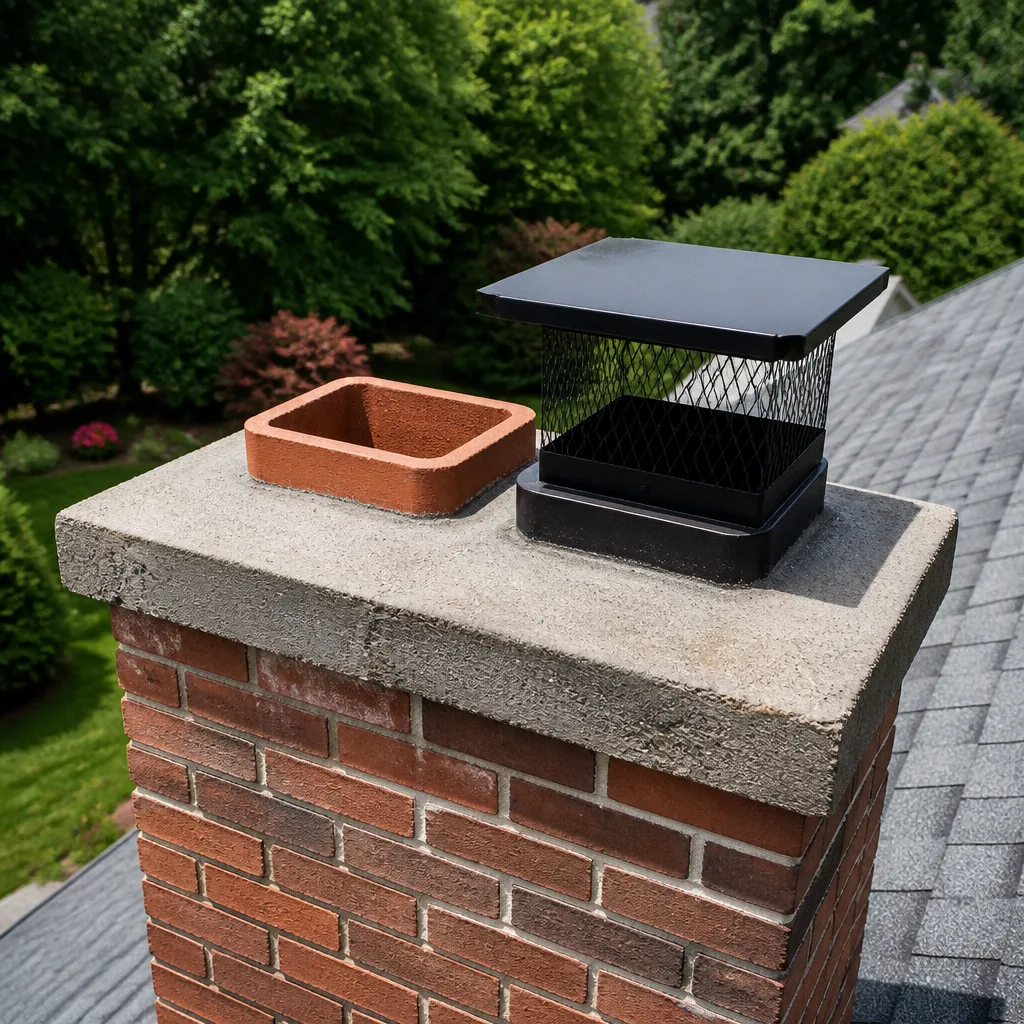
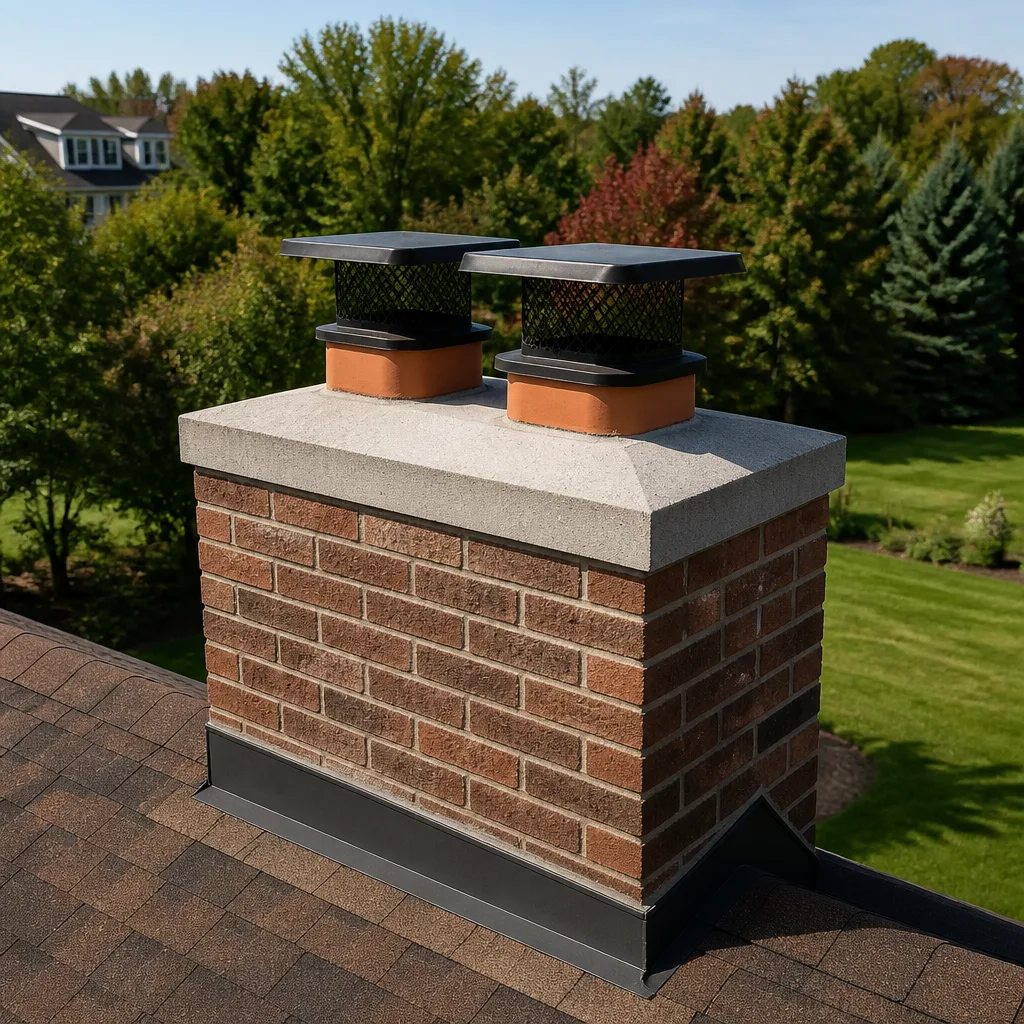
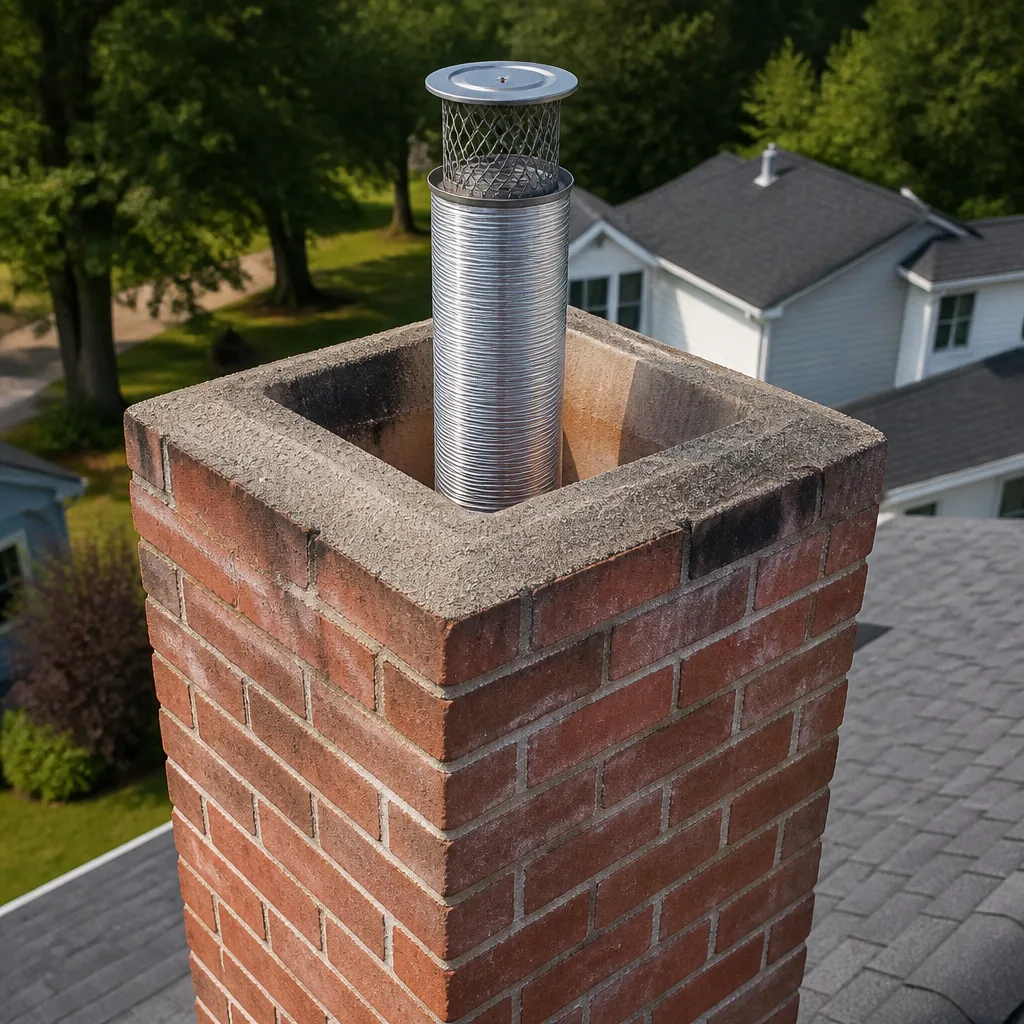
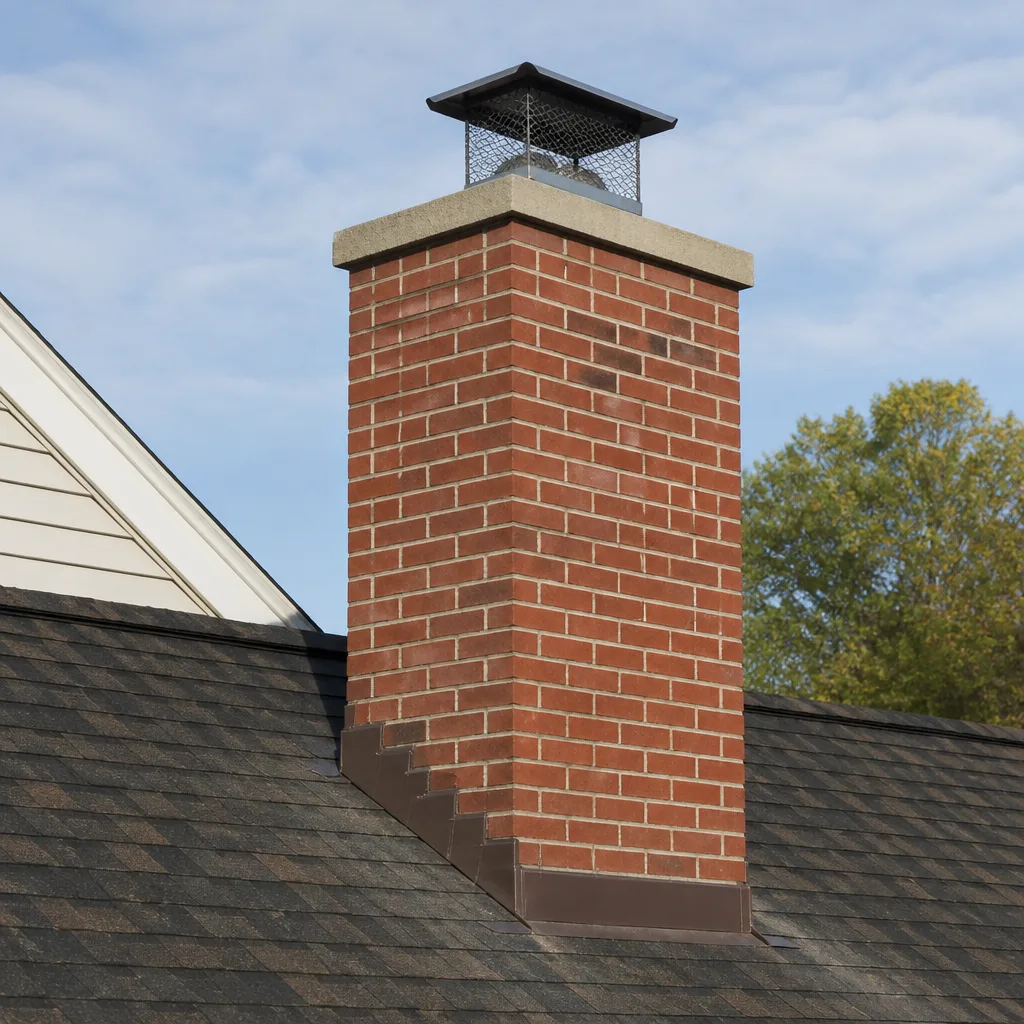
Level 1 sweep and inspection to the NFPA 211 annual standard - flue, crown, cap, and flashing checked and photographed
Chimney sweep logs do not sweep chimneys. They loosen some creosote - which then falls where a brush and vacuum still have to collect it.
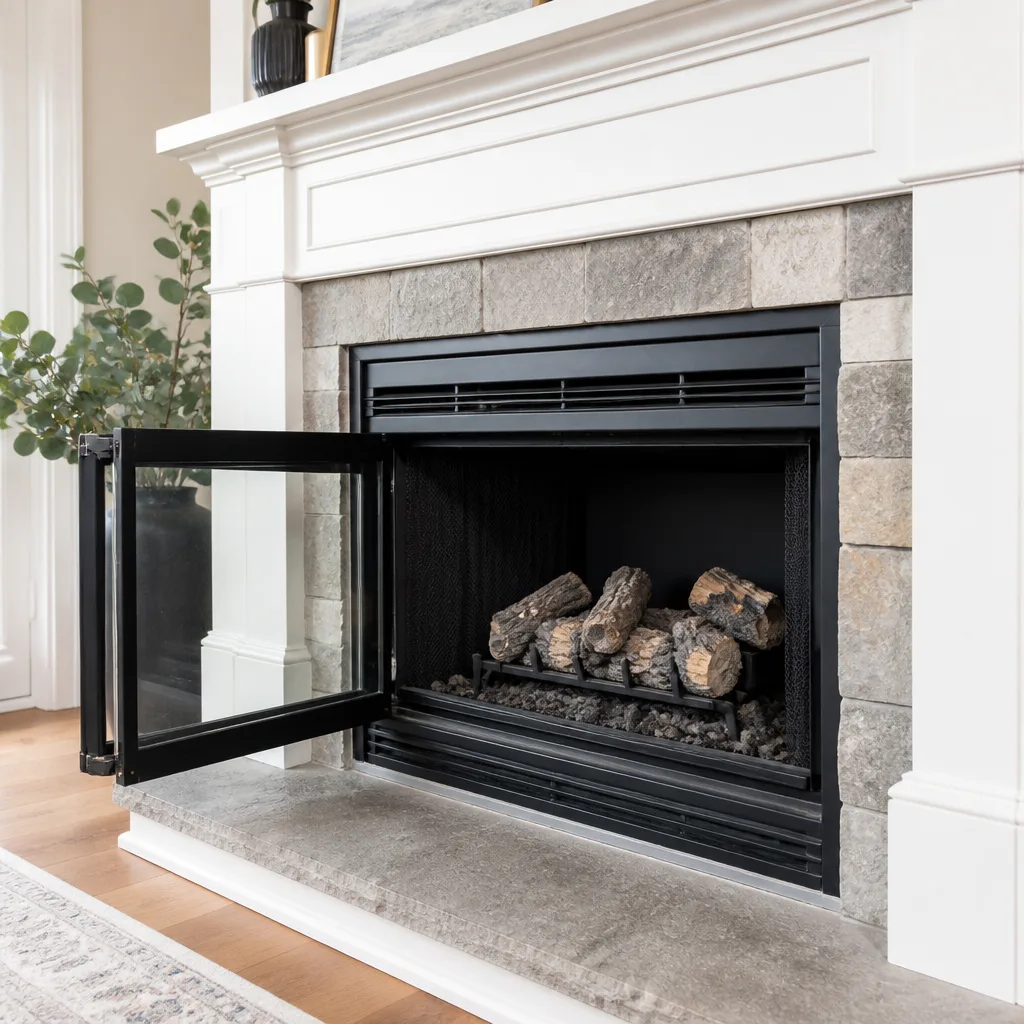
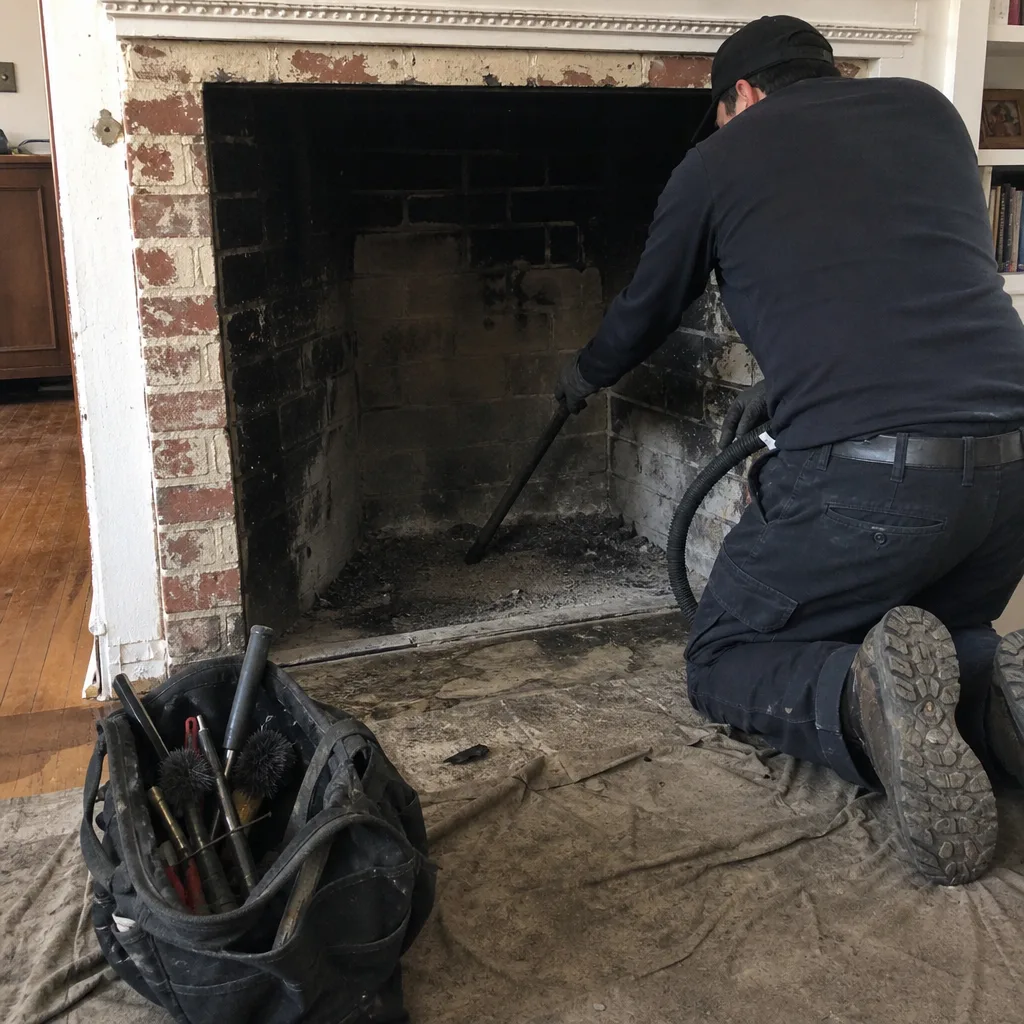 Before
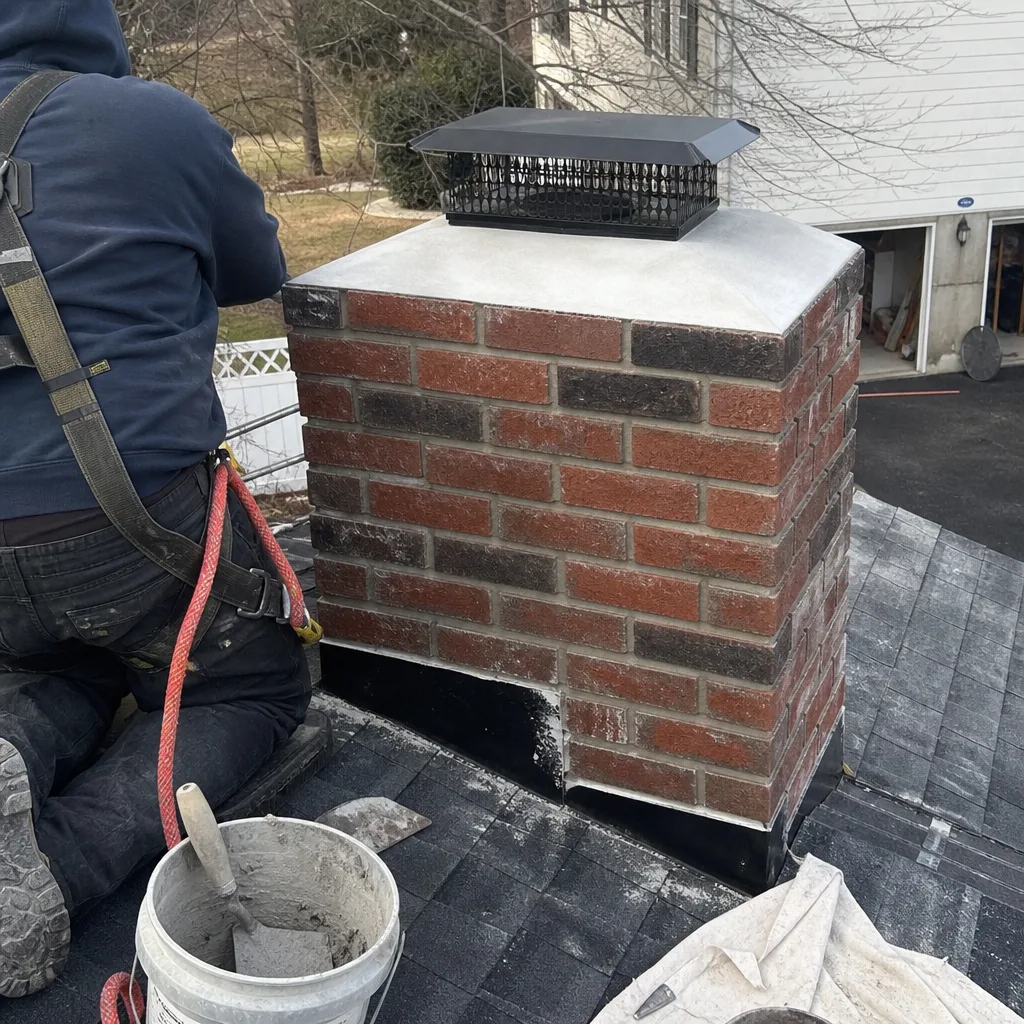 After
After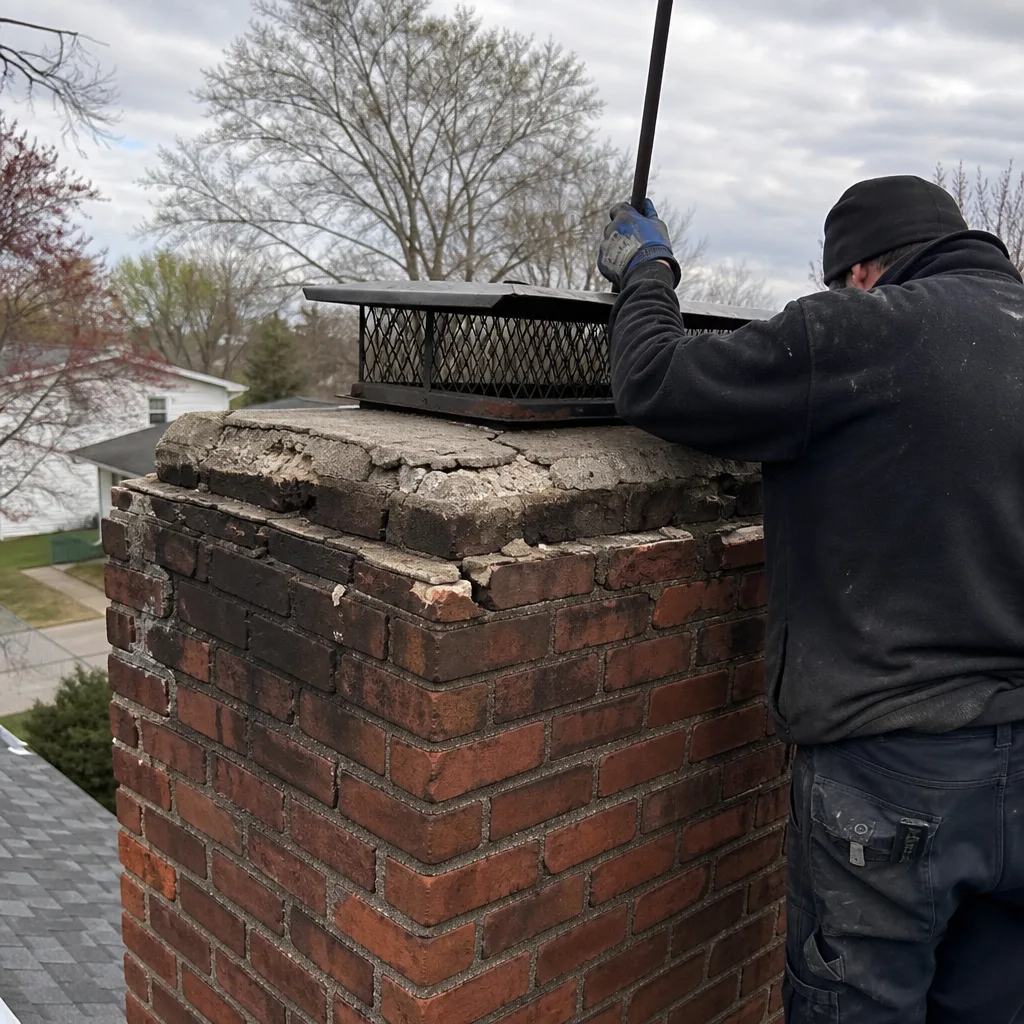 Before
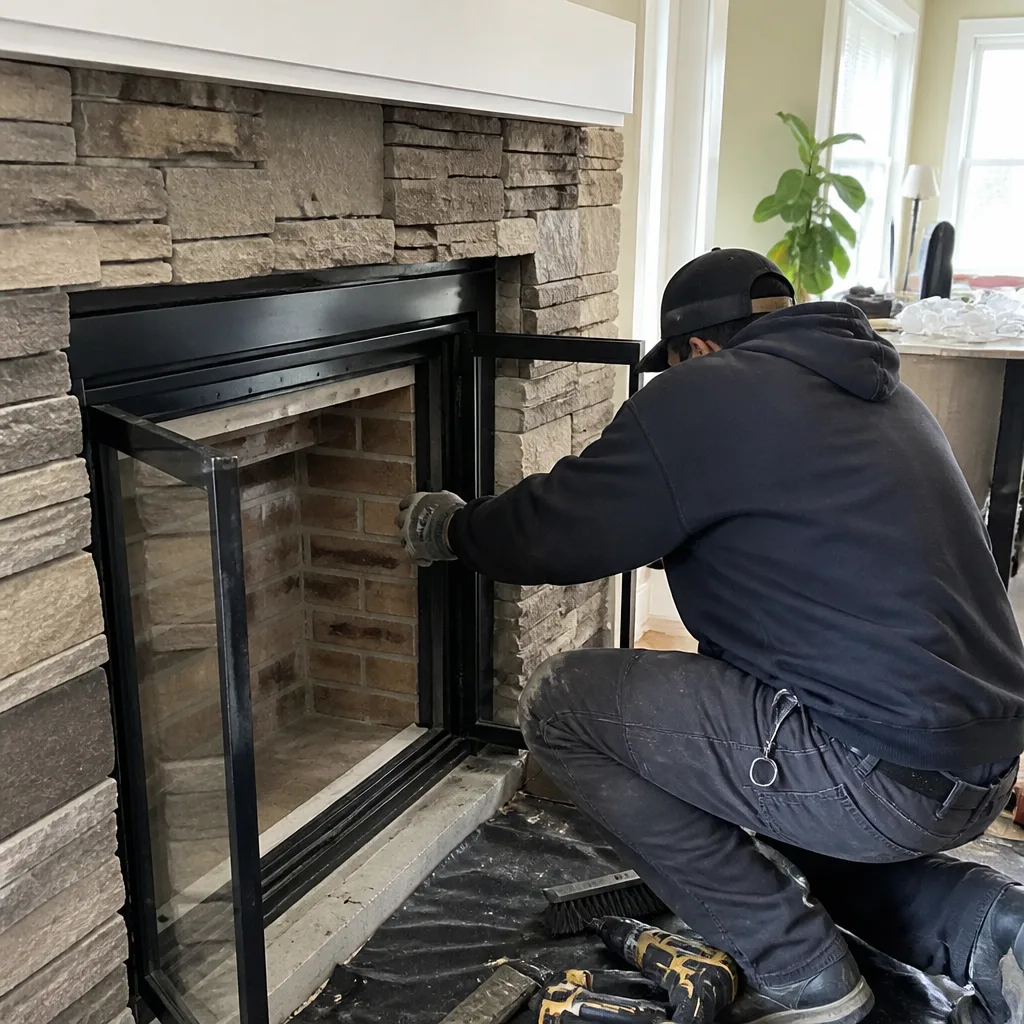 After
After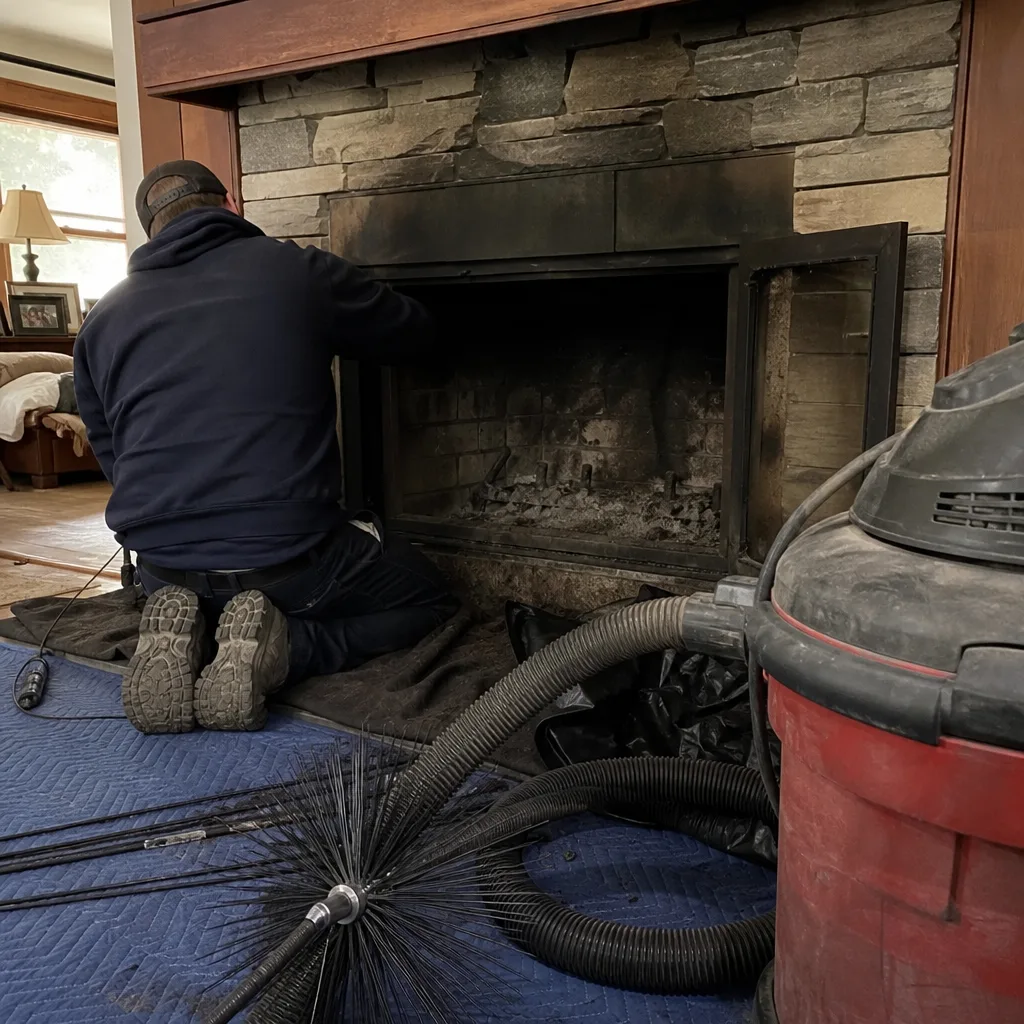 Before
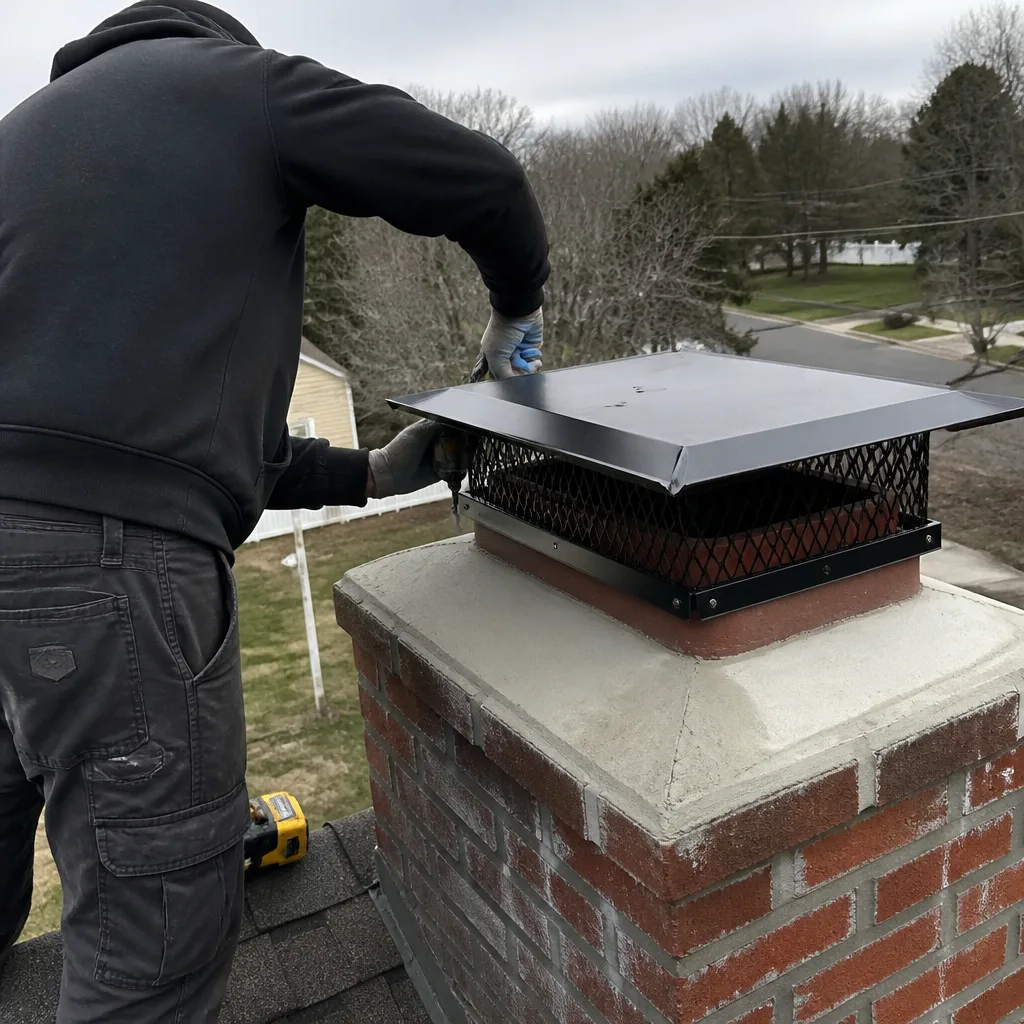 After
AfterSeasonal Chimney Cleaning Care for Brentwood: Year-Round Homeowner’s Guide
Summer is the season most Long Island chimneys take the most moisture damage, but almost no one calls a sweep in July. That’s exactly why fall inspections keep finding the same problems year after year in Brentwood. This guide maps the actual calendar to what’s happening inside your flue, so you do the right task at the right time instead of cramming everything into October. For a full checklist of what to do each season, see our dedicated Brentwood maintenance guide. You’ll learn what humid August air does to mortar joints, when to actually book a cleaning, what to do if you missed the fall window, and how gas and wood fireplaces differ in their maintenance needs.
Quick Answer
Brentwood homeowners should have their chimney inspected and swept once a year, ideally in late August through early October, before burning season begins. Spring and summer are for exterior checks, moisture prevention, and minor repairs that cost far less than what fall damage brings. If you missed the fall window, you can still burn in January after a Level 1 inspection confirms the flue is safe, though you may wait longer for an appointment.
Table of Contents
- Why Brentwood’s Climate Hits Chimneys Harder Than Most
- The Summer Problem: Humidity, Crowns, and the July Nobody Calls
- The Fall Cleaning Window: Why Late August Beats Mid-November
- Winter: What Burning Season Demands
- Spring Tasks That Take Twenty Minutes and Prevent June’s Musty Fireplace
- Missed the Fall Window? The Honest Answer About Burning in January
- Gas vs. Wood: How Maintenance Timing Differs
- Common Mistakes to Avoid
- When to Call a Professional
- Frequently Asked Questions
- The Bottom Line
Why Brentwood’s Climate Hits Chimneys Harder Than Most
Brentwood sits in a humid subtropical zone. That means hot, wet summers with average July humidity above 70 percent, followed by cold snaps that can swing temperatures 40 degrees in a week. A chimney is a masonry structure exposed to everything: rain, snow, ice, sun, and the moisture that hangs in Long Island air from June through September. Mortar and brick are porous. They absorb water, and when that water freezes in January, it expands by roughly 9 percent. That expansion is what cracks crowns, spalls brick faces, and loosens mortar joints over time. This is not a hypothetical in Brentwood. We see it on colonials in the northern section near the Pilgrim State Hospital area and on ranches south of the Southern State Parkway alike.
What makes Brentwood slightly different from, say, coastal towns on the North Shore is the combination of older housing stock and mature trees. Many Brentwood homes were built in the 1950s through 1970s. Their original clay tile liners are now 50 to 70 years old. Tree canopy, especially in older neighborhoods with mature oaks and maples, drops leaves, twigs, and acorns onto roofs. Those find their way into uncapped chimneys. The result is a flue that gets wet from humidity, shaded so it never fully dries, and layered with organic debris. That is a recipe for accelerated creosote buildup during burning season and accelerated mortar decay during the off-season.
In our experience, the homeowner who understands this calendar is the one whose chimney lasts 40 years without a rebuild. The homeowner who treats the chimney as a fall-only concern is the one who calls us in mid-November with a cracked crown, a wet flue, and a fireplace smell that has been there since June. Your flue doesn’t care how the fire looks. It cares how it breathes.
The Summer Problem: Humidity, Crowns, and the July Nobody Calls
Here is what actually happens inside a Brentwood chimney in July and August. The crown, that concrete slab at the very top of the chimney, sits in direct sun and heavy humidity. Concrete expands slightly when hot and holds moisture when humid. Over decades, microcracks form. Those cracks widen each summer. Rain gets in, soaks the masonry below, and then winter freezes it. By the time a homeowner notices staining on the ceiling or a musty smell in the fireplace in June, the crown has often been cracked for years.
Mortar joints take the same beating. Lime-based mortar from older Brentwood homes is softer than modern Portland cement. It breathes, which is good, but it also erodes faster in sustained humidity. The July humidity keeps mortar damp for weeks at a time. A chimney that never fully dries is a chimney where efflorescence (white salt deposits) appears on the brick face. That white staining is not cosmetic. It means water is moving through the masonry and carrying minerals out with it.
The one low-cost thing you can do before September: get the crown checked and sealed. Crown sealer costs a fraction of what a crown rebuild costs. A crown rebuild in Brentwood runs roughly $1,200 to $1,800 depending on access and flue size. A crown sealing with a quality product like Gelco’s CrownCoat runs a few hundred dollars. If the crown is intact, sealing it in summer means it is fully cured and ready for fall rain and January ice. If it is cracked, summer is when you get it repaired before contractors are booked solid.
And yes, a chimney cap matters. A missing or damaged cap in July means rain gets straight down the flue. A stainless cap from a brand like Olympia Chimney runs $200 to $400 installed and stops the vast majority of summer water damage. Ask anyone on your street who has had a liner replaced. A missing cap is the most common finding on the Chimney Repair in Brentwood calls we run from March through August.
The Fall Cleaning Window: Why Late August Beats Mid-November
The ideal time to have your chimney cleaned in Brentwood is late August through early October. There are three reasons, and they are all practical. If you’re budgeting for the year, see our Chimney Cleaning Cost Breakdown: The Brentwood Homeowner’s Reference for 2026.
- Creosote is easier to remove in warm weather. First-degree creosote is a flaky, sooty substance a brush takes off without much effort. Second-degree creosote is thicker and stickier. Third-degree is a hardened glaze. In late summer, flues are cooler and drier. Creosote from last season has had time to cure but not to harden into glaze. A sweep in August or September handles even second-degree buildup with standard rotary tools. Wait until after Thanksgiving and that same buildup may require a chemical treatment or a more aggressive mechanical removal.
- Appointments are available. The entire East Coast calls for chimney service in October and November. By mid-October in Brentwood, most reputable sweeps are booking two to three weeks out. By November, it’s four to six weeks. If you schedule in late August, you get your choice of dates, a morning or afternoon slot, and the sweep arrives when he says he will.
- You have time for repairs. If the inspection turns up a cracked flue tile or a damaged damper, you want that fixed before the first fire. A chimney cleaning in mid-November that finds a problem means either burning with a known defect or skipping the fire entirely until January. A cleaning in September means a repair can be scheduled, parts ordered, and the fireplace ready by the time it gets cold enough to light a fire.
Here’s the thing about Brentwood’s fall. It arrives fast. September can feel like summer. Then the second week of October hits and everyone remembers their fireplace exists. We answer fewer frantic voicemails from people who booked in August, because those folks are already done. Once a year, burn or no burn. Chimneys break in the off-season too.
For a deeper look at what a professional cleaning actually involves, see our page on Chimney Cleaning & Sweep in Brentwood.
Winter: What Burning Season Demands
Once burning season starts in Brentwood, usually mid-to-late October through March, your chimney has a job to do every time you light a fire. The flue needs to draft properly, the creosote needs to stay at a manageable level, and the masonry needs to handle freeze-thaw cycles without failing.
If you burned regularly last season and have not had the chimney cleaned yet this year, the honest truth is this: you are burning on top of last year’s creosote. Creosote is combustible. A flue with heavy buildup is how chimney fires start. First-degree creosote is a brush job. Third-degree is a glaze, catch it early. That glaze burns at over 2,000 degrees Fahrenheit and can crack flue tiles, warp dampers, and spread to the roofline. We have seen chimney fires in Brentwood that started in chimneys that “looked fine” from the outside and had not been swept in four years.
During burning season, there are a few things you can and should do every month:
- Check the damper before each fire. A damper that does not fully open or close is a draft problem waiting to happen. It lets smoke billow into the room or lets warm air escape up the flue when the fireplace is not in use.
- Watch for a smoky fire. A properly drafting fireplace should draw smoke straight up the flue. If smoke rolls into the room, something changed: a clogged cap, a damper issue, a negative pressure problem from a newer furnace, or a flue that needs sweeping.
- Look for a sudden smell of burning plastic or a loud roar. A chimney fire sounds like a freight train. If you hear it, get everyone out and call the fire department. Do not try to put it out with water.
- Keep a carbon monoxide detector in the bedroom hallway. A flue that is partially blocked or a furnace backdrafting through a shared chimney can put carbon monoxide into the house. This is not alarmism. It is the reason building code requires detectors.
Burning season is also when we see the most emergency calls for liner damage. If you have an unlined or clay-tile-lined chimney and you burn regularly, consider a stainless steel liner. We install DuraFlex and HeatShield systems. A stainless liner is rated for continuous high-temperature use and carries a lifetime warranty from the manufacturer. This is not an upsell. It is the difference between burning safely for 30 years and gambling with a 60-year-old clay tile flue that may already be cracked.
Spring Tasks That Take Twenty Minutes and Prevent June’s Musty Fireplace
That musty fireplace smell that shows up every June is not your imagination. It is moisture, creosote residue, and the remnants of last season’s fires combining in a warm, humid flue. Spring is when you can stop it before it starts.
Here are the spring tasks we recommend to every Brentwood homeowner, and none of them take more than twenty minutes:
- Close the damper and cap inspection. Make sure the damper closes fully. A damper left cracked open all spring lets humid air circulate into the flue. Then check the cap. A missing or damaged cap is an open door for rain, birds, and squirrels. We have pulled more than our share of nests out of Brentwood chimneys in the spring. A cap is a lot cheaper than a nest removal plus a liner repair.
- Shine a flashlight up the flue. You do not need to be a chimney sweep to spot a white, crusty buildup or a cascade of flaky black creosote. If you see either, call for a cleaning before the fall rush. If you see daylight through the cap screen, the cap is doing its job.
- Feel the firebox walls for dampness. After a rain, reach in and feel the brick. If it is wet or cool and clammy, water is getting in. That means a crown or flashing issue that needs to be found now, not in December.
- Clean the firebox. Ash is mildly acidic. Left sitting all spring and summer, it traps moisture against the firebrick and can accelerate mortar erosion. Scoop it out, bag it, and set it aside for the compost pile if you have one.
These tasks do not replace an annual inspection. They are the difference between a chimney that is merely due for its yearly cleaning and one that has been quietly deteriorating for six months. The camera footage and a plain-English verdict, every time, no exceptions. That is what you get when we inspect. But the spring homeowner who does these four things is the homeowner whose fall inspection is uneventful.
Missed the Fall Window? The Honest Answer About Burning in January
Let’s say it is January. You never got around to the fall cleaning, the holidays came and went, and you want a fire. This is the honest answer, not the one designed to get a service call.
First, you need to know what is inside your flue. If you burned regularly last season and skipped this year’s cleaning entirely, you do not know. Creosote buildup depends on what you burn, how hot the fires are, and how often you burn. A homeowner who burns seasoned oak twice a week creates less creosote than one who burns unseasoned wood or occasional pine. But you cannot see third-degree glaze from the living room. You cannot see a cracked flue tile from the firebox. The only way to know if the flue is safe to burn is a Level 1 inspection. That means a sweep looks at the accessible portions of the chimney, checks the damper, and confirms there is no blockage or dangerous buildup.
Second, you will probably wait. January in Brentwood is not as hectic as November, but good sweeps still have a schedule. You may get an appointment within a week or two, not the five weeks of mid-November, but it depends on weather. Snow and ice can delay roof work. If the inspection is clean, you can burn the same week. If it finds a problem, you either burn and accept the risk or wait for the repair. There is no honest third option.
Third, understand what “safe to burn” actually means. It means the flue is clear, the masonry is sound, the crown is intact, and the cap is in place. If we inspect in January and tell you it is safe, it is. If we tell you it is not, we will show you the camera footage. We do not tear out liners that do not need replacing. We do not recommend work so we can charge more. Wendell has been doing this in Brentwood since 1999, and he runs into you again on Saturday.
Gas vs. Wood: How Maintenance Timing Differs
A gas fireplace or gas log set has different maintenance needs than a wood-burning fireplace, and the seasonal calendar changes too.
Wood-Burning Fireplaces
Wood burning produces creosote. No matter how dry the wood or how hot the fire, some creosote forms. That means an annual sweep is non-negotiable for any wood-burning chimney in Brentwood. The ideal window remains late August through early October. Burning unseasoned wood, burning pine, or burning every day during the coldest months may mean a mid-season sweep is warranted, especially if you notice smoke in the room or a reduced draft. We tell our regular burners this: if you burn three or more cords a season, plan on two cleanings, one in early fall and one in mid-winter.
Gas Fireplaces
Gas does not produce creosote, but it does produce moisture. High-efficiency gas units vent cooler exhaust that condenses inside the flue. That moisture, combined with Long Island’s summer humidity, can eat at mortar and clay tile liners faster than dry wood heat does. Gas chimneys also develop a different problem: sulfate corrosion. The acidic condensate degrades brick from the inside. This is why gas chimneys need annual inspections too, though some years the inspection is just a check, not a full sweeping.
For gas units, spring is a good time to schedule maintenance. There is no rush before burning season, so you avoid the fall backlog. The inspection checks the log set, the pilot assembly, the flue, and the cap. If you have a gas insert or a direct-vent unit, the seasonal concerns are lower, but the vent termination cap still needs to be checked for debris and bird activity.
We cover the full range of fireplace maintenance on our Fireplace Services in Brentwood page. The short version: wood burns, gas condenses, and both need a yearly look.
Common Mistakes to Avoid
- Waiting until November to call. By mid-November, top Brentwood sweeps are booked out four to six weeks. Book in August and you get the date you want. Book in November and you burn on top of last year’s creosote or skip the fire altogether.
- Ignoring a missing or damaged chimney cap. A missing cap is the single most common cause of water damage we find in Brentwood chimneys. Rain gets in, soaks the masonry, freezes, and cracks the flue. A $300 cap prevents a $3,000 liner replacement.
- Burning unseasoned wood. Unseasoned wood smokes more, creates more creosote, and burns cooler. That means a dirtier flue and a higher risk of a chimney fire. Wood should be split and stacked for at least 6 to 12 months before burning.
- Skipping the annual inspection because “we never use the fireplace.” Chimneys break in the off-season too. Mortar erodes, caps rust, animals nest, and dampers seize. An unused chimney needs just as much attention, sometimes more because problems go unnoticed longer.
- Assuming a gas fireplace does not need service. Gas units produce acidic condensate that damages flue liners. A cracked flue on a gas fireplace can vent carbon monoxide into the home. Annual inspection applies to gas too, no exceptions.
- Hiring on price alone. Brentwood has plenty of fly-by-night sweep operations that quote $49 on the phone and find $900 in “problems” at the door. A legitimate sweep quotes upfront and shows you the camera footage. If the price sounds too good, the follow-up will cost you.
When to Call a Professional
Call a professional chimney sweep if you see white staining on the brick exterior, notice a musty smell from the fireplace in warm months, hear birds or animals inside the chimney, see smoke rolling into the room during a fire, or know it has been more than two years since the last cleaning. Also call after any chimney fire, even a small one. The flue may look fine from the outside and be structurally compromised inside. If you are selling a Brentwood home, a pre-listing chimney inspection catches issues before the buyer’s inspector does. Top Hat Chimney offers free estimates in Brentwood, call (934) 935-3847.
Frequently Asked Questions
A standard chimney cleaning and Level 1 inspection in Brentwood runs between $180 and $340 depending on flue height, accessibility, and the amount of buildup. For full details on permits and legal requirements, read our guide to Chimney Cleaning Permits, Codes & Inspections in NY: What You Need to Know. Roof work on a two-story home costs more than a single-story ranch. If a cleaning reveals damage, the repair is quoted separately and you approve it before any work begins. Top Hat Chimney quotes the full price before a single tool comes off the truck, and the number you hear on the phone is the number on the invoice. Call (934) 935-3847 for an exact quote.
Once a year, burn or no burn. Wood-burning fireplaces used more than twice a week during the season may need a mid-winter sweep. Gas fireplaces should be inspected annually even if they rarely need a full sweeping. The National Fire Protection Association standard is clear: chimneys should be inspected at least once a year and cleaned when creosote buildup reaches one-eighth inch.
Not always, but more often than most Brentwood homeowners expect. Clay tile liners from the 1950s through 1970s are now 50 to 70 years old. If the camera inspection shows cracked tiles, missing mortar, or gaps, the liner is no longer doing its job. A stainless steel liner from DuraFlex or HeatShield fixes it permanently. If the liner is intact and the flue is clean, you do not need a new liner. We will show you the footage either way. Call (934) 935-3847 for a free estimate.
Creosote builds up. First-degree is a brush job, third-degree is a glaze. Heavy creosote can ignite, causing a chimney fire that reaches over 2,000 degrees and cracks flue tiles, warps dampers, and can spread to the house. Uninspected chimneys also develop hidden problems like cracked crowns, deteriorating mortar, and animal nests. The cost of cleaning is a fraction of the cost of the repair that neglect eventually requires.
You can buy a chimney brush at the hardware store, but let’s be honest about what you’re missing. A brush removes loose soot. It does not identify cracked flue tiles, a failing crown, or a damper issue. It does not inspect the full length of the flue with a camera. And chimney work on a roof is genuinely dangerous, especially on the steep pitches and high peaks common on Brentwood homes. A fall off a roof costs far more than a sweep. Call a trained professional. The estimate is free. Call (934) 935-3847.
September is actually a great time to schedule. The rush starts in October, so September appointments are still easy to get. The weather is mild, the roof is dry, and the flue is warm enough for easy creosote removal. Late August through early October is the sweet spot. By mid-October, appointments stretch to two or three weeks. By November, it is four to six.
The Bottom Line
Brentwood’s climate punishes chimneys year-round, not just in winter. Summer humidity attacks crowns and mortar. Fall is for inspections and cleaning, ideally before the end of September. Winter demands a clean flue and an honest assessment of what you are burning. Spring is for the twenty-minute tasks that prevent June’s musty smell and catch small problems before they become structural ones. The calendar matters. Schedule the cleaning in late August, do the spring checks, cap the chimney, and you will not be the homeowner who calls in panic on the first cold weekend of November. For more guides & resources on keeping your chimney safe year-round, visit our blog.
If you have questions about your chimney or want to get on the schedule for a Top Hat Chimney home inspection, call (934) 935-3847. We are locally owned and owner-operated, based right here in Brentwood, and we have been serving Long Island since 1999. A live person answers the phone, always, and it may well be Wendell himself.
Written by Wendell Pike, Owner at Top Hat Chimney, serving Brentwood since 1999.