
Last updated September 10, 2026
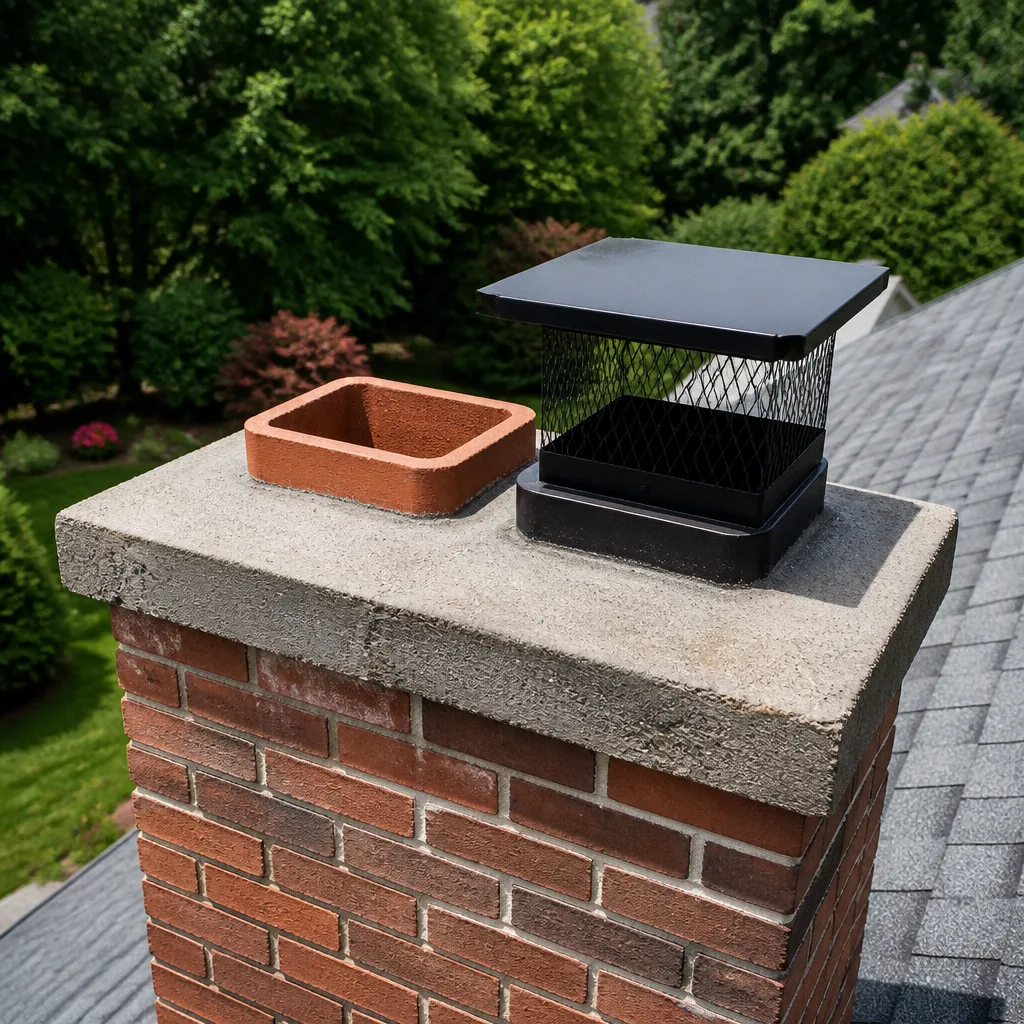
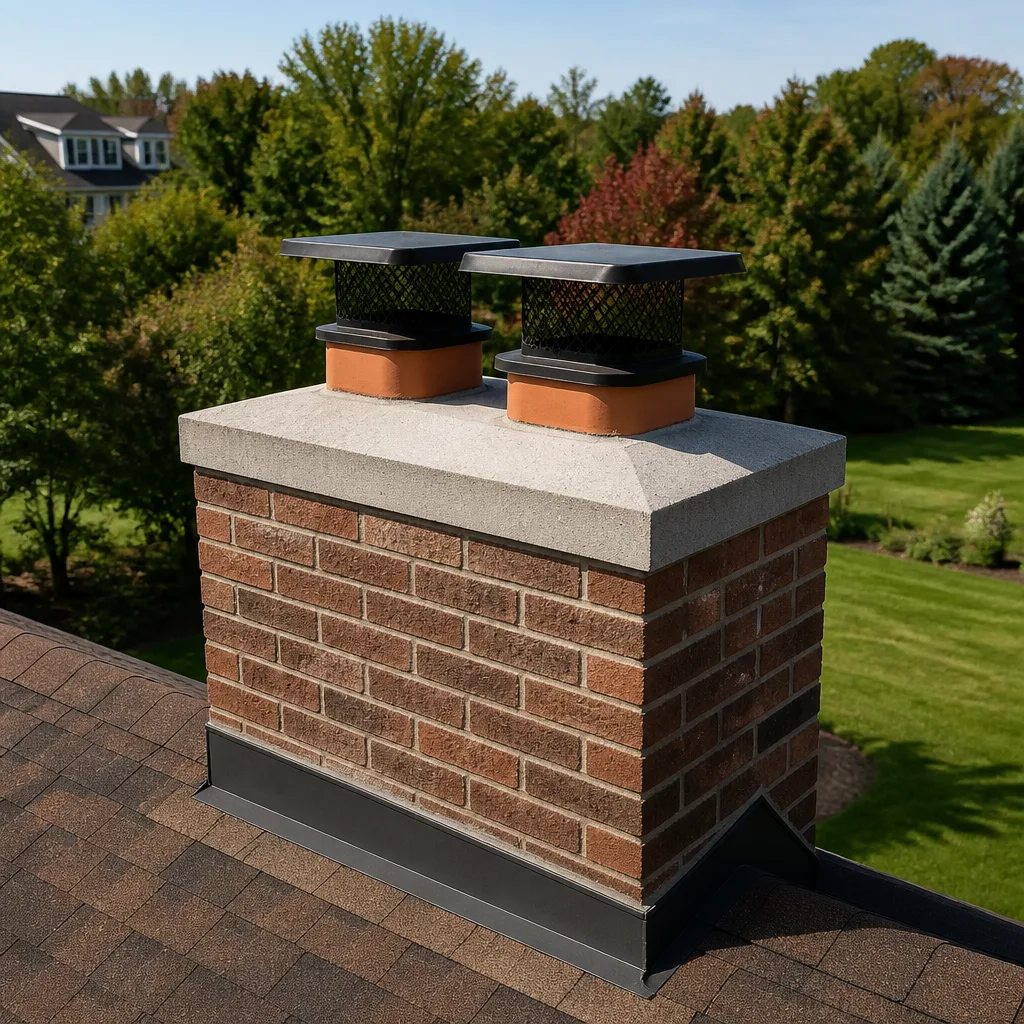
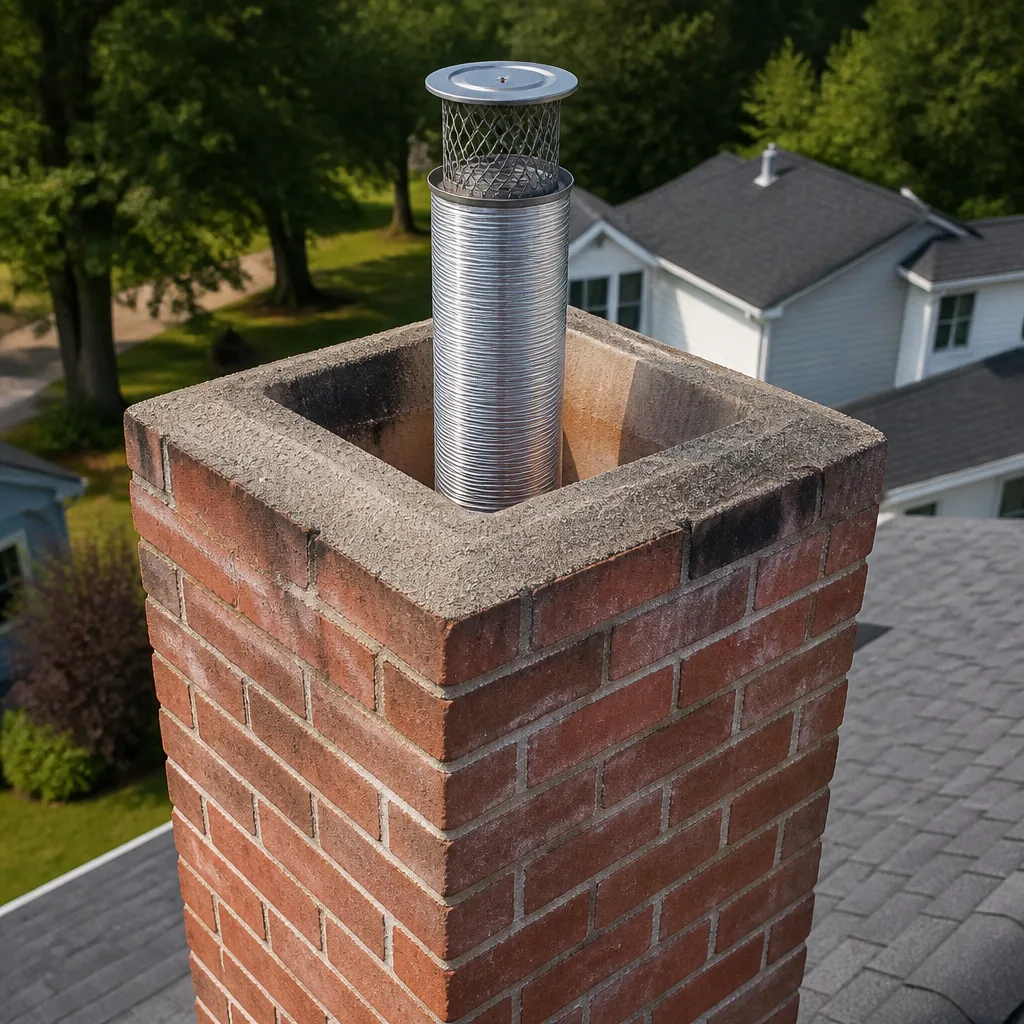
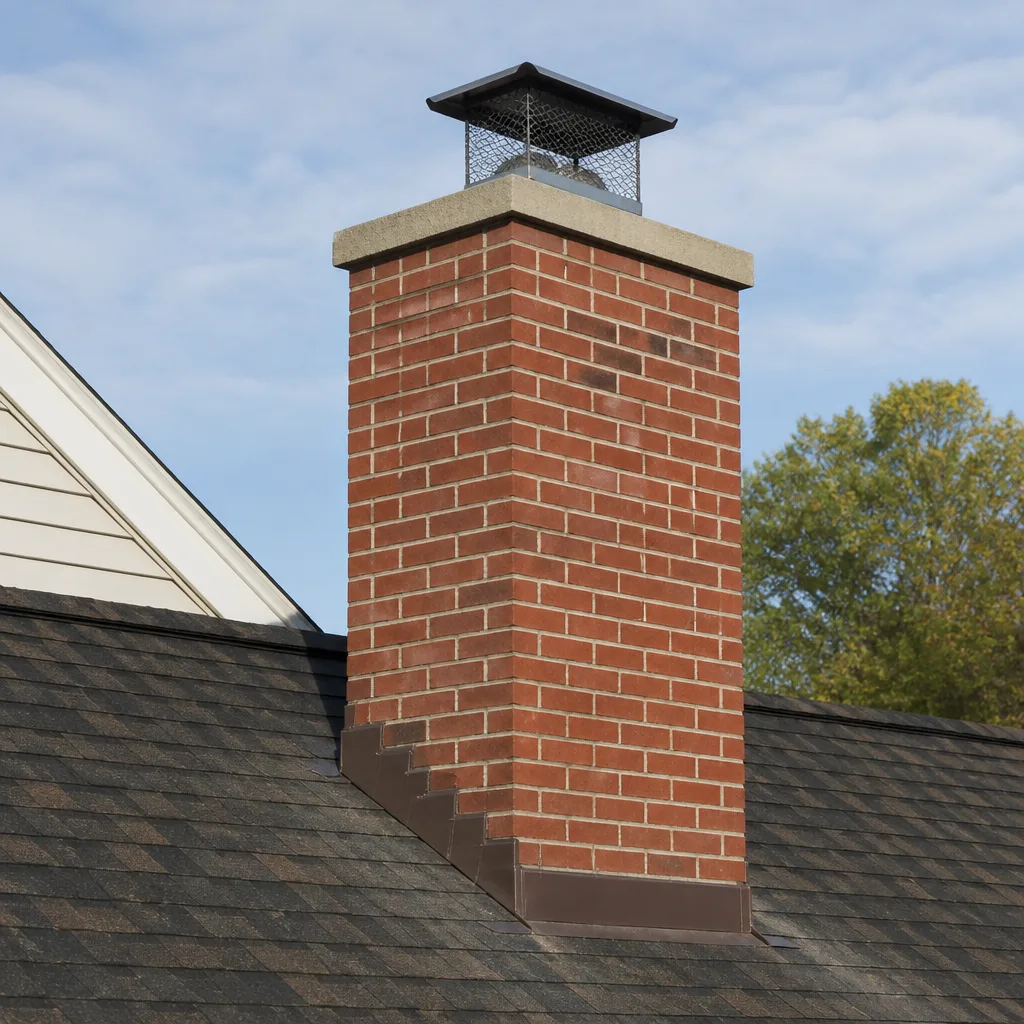
Level 1 sweep and inspection to the NFPA 211 annual standard - flue, crown, cap, and flashing checked and photographed
Chimney sweep logs do not sweep chimneys. They loosen some creosote - which then falls where a brush and vacuum still have to collect it.
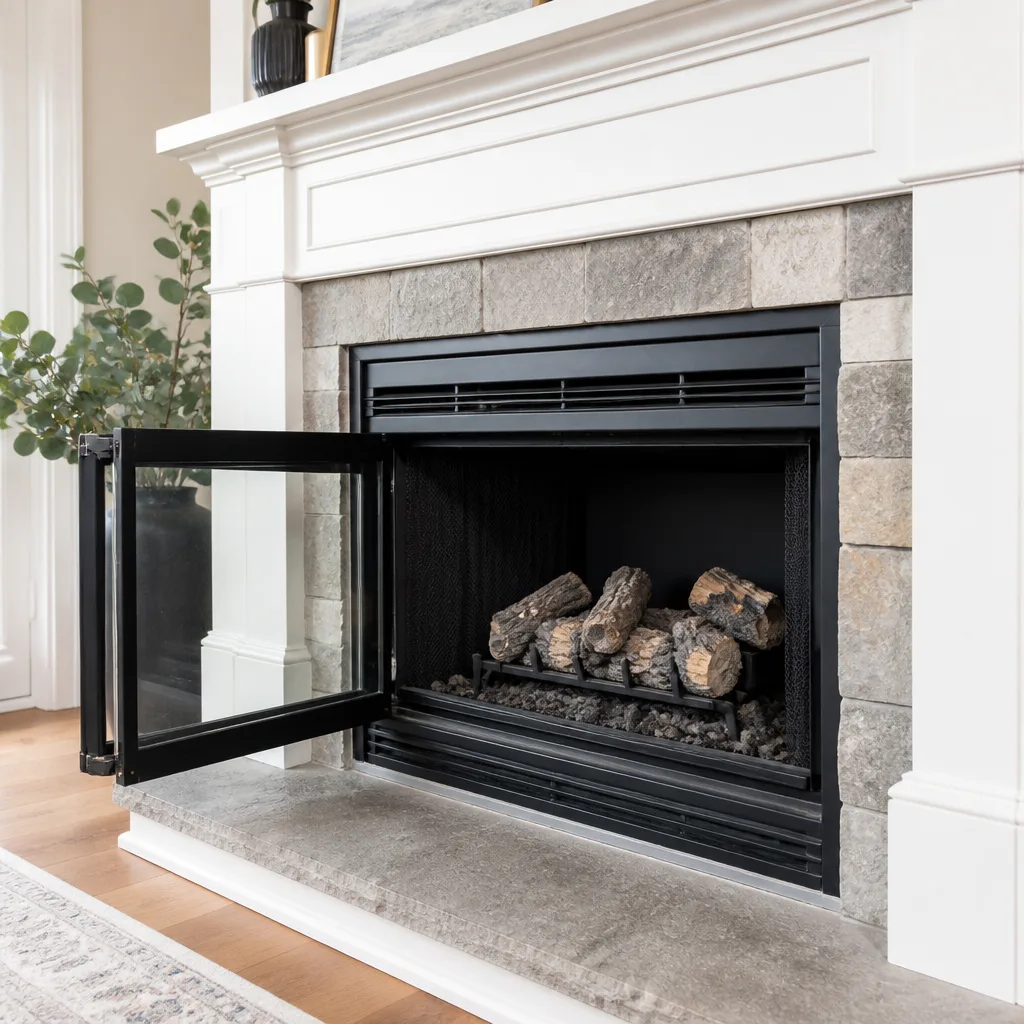
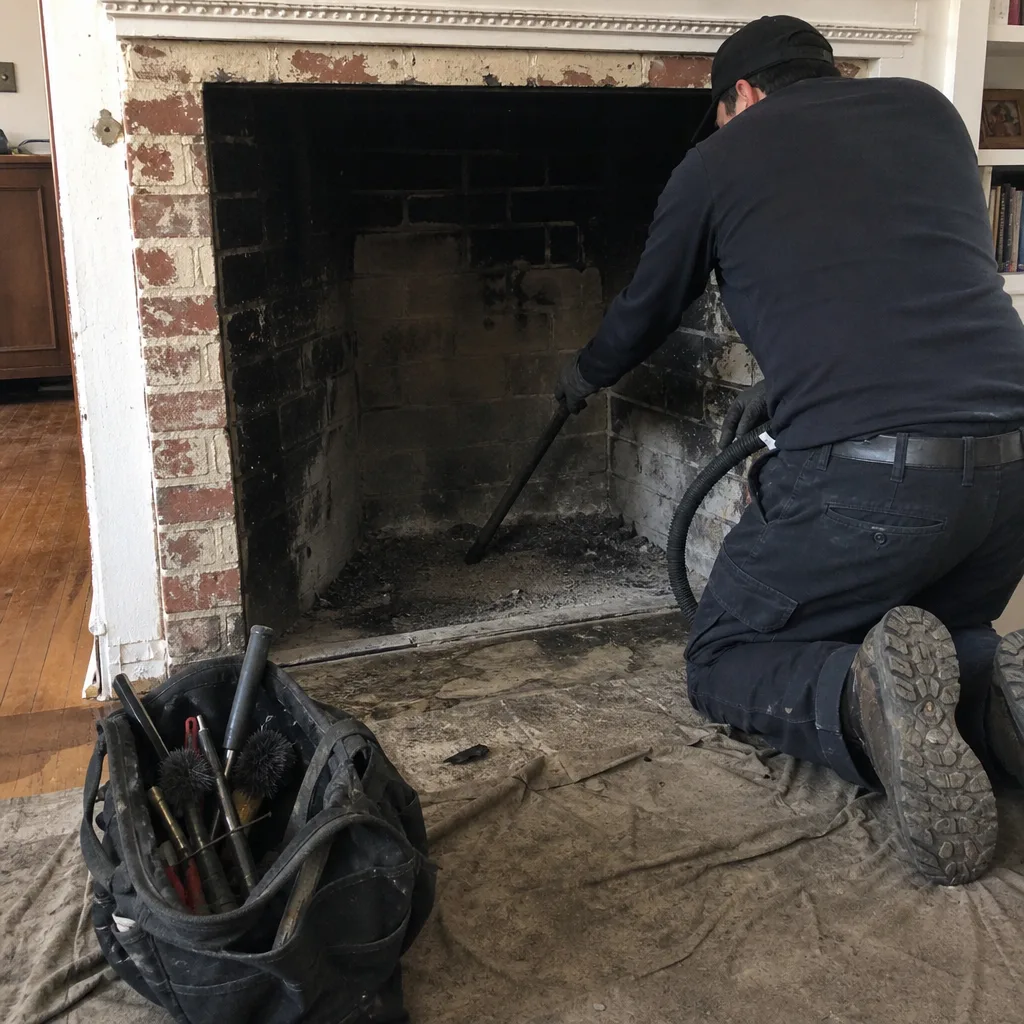 Before
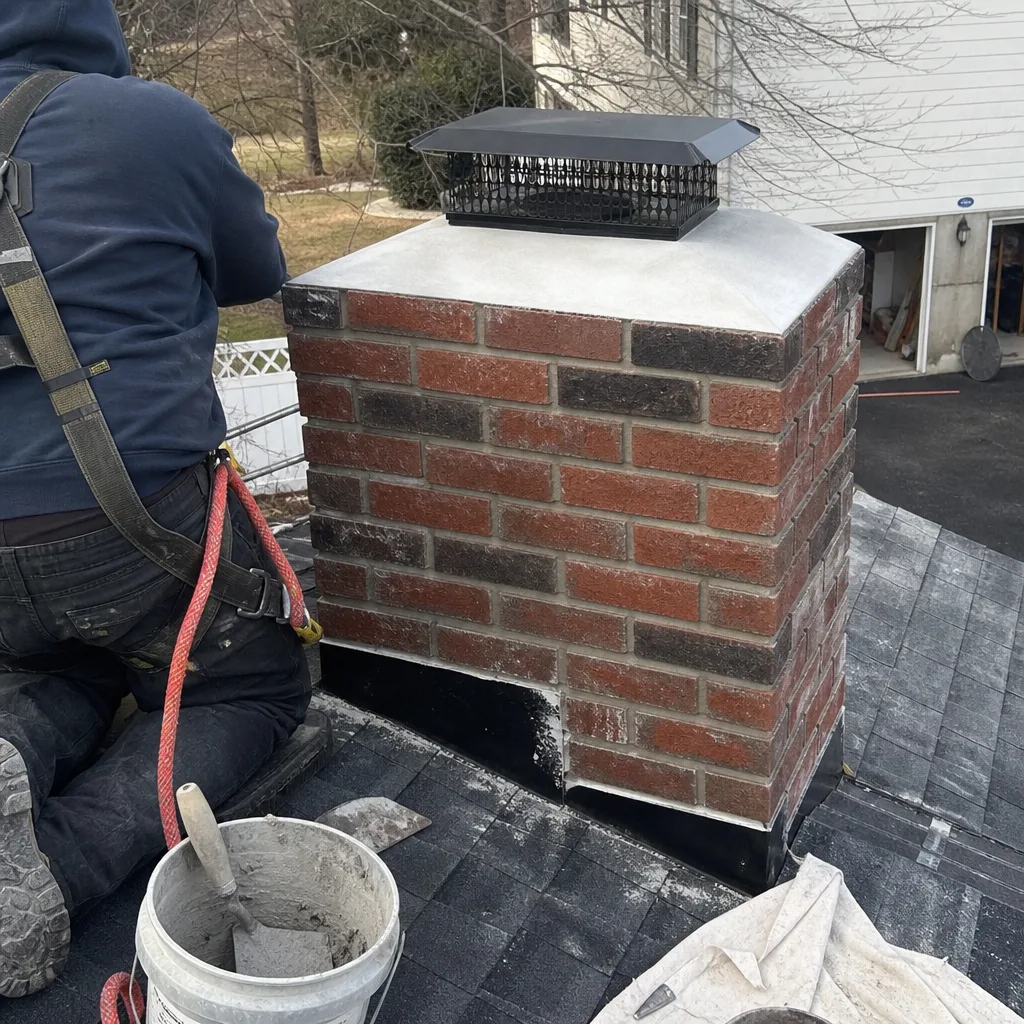 After
After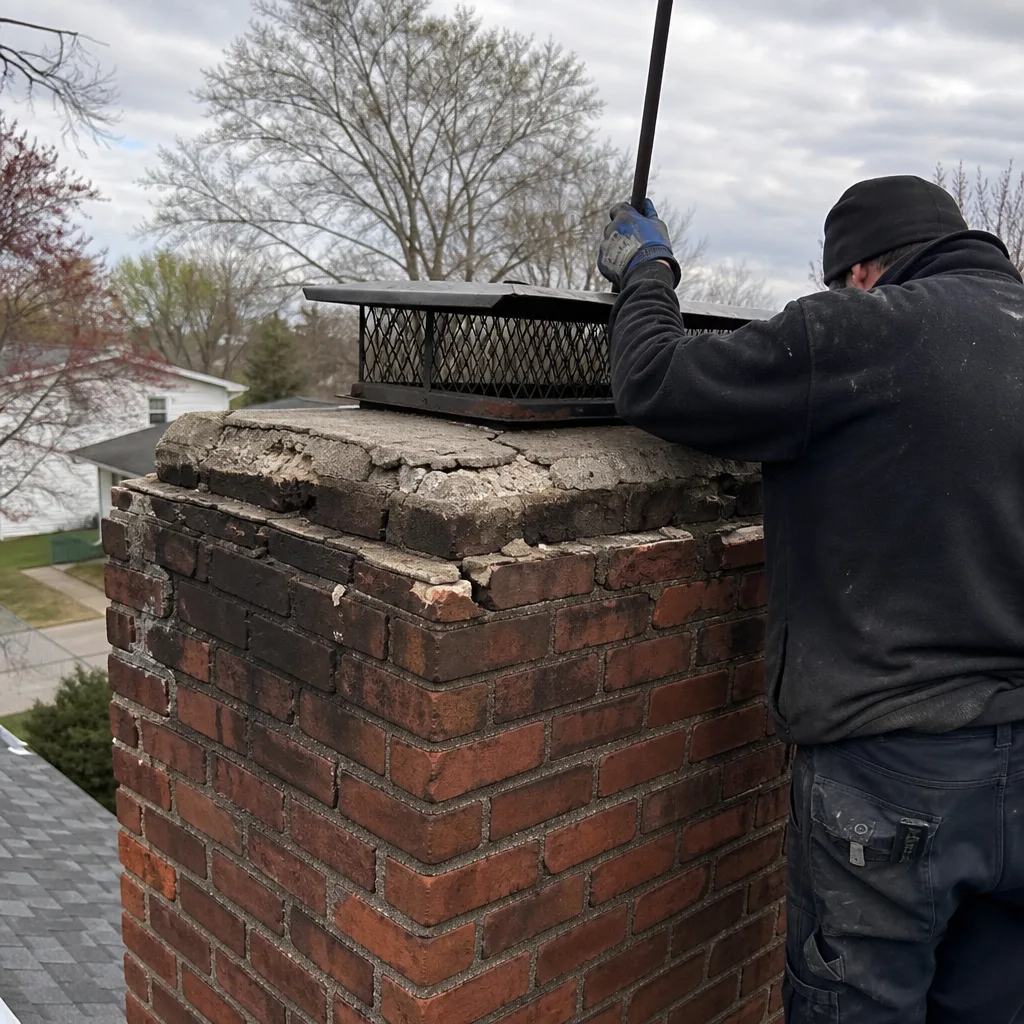 Before
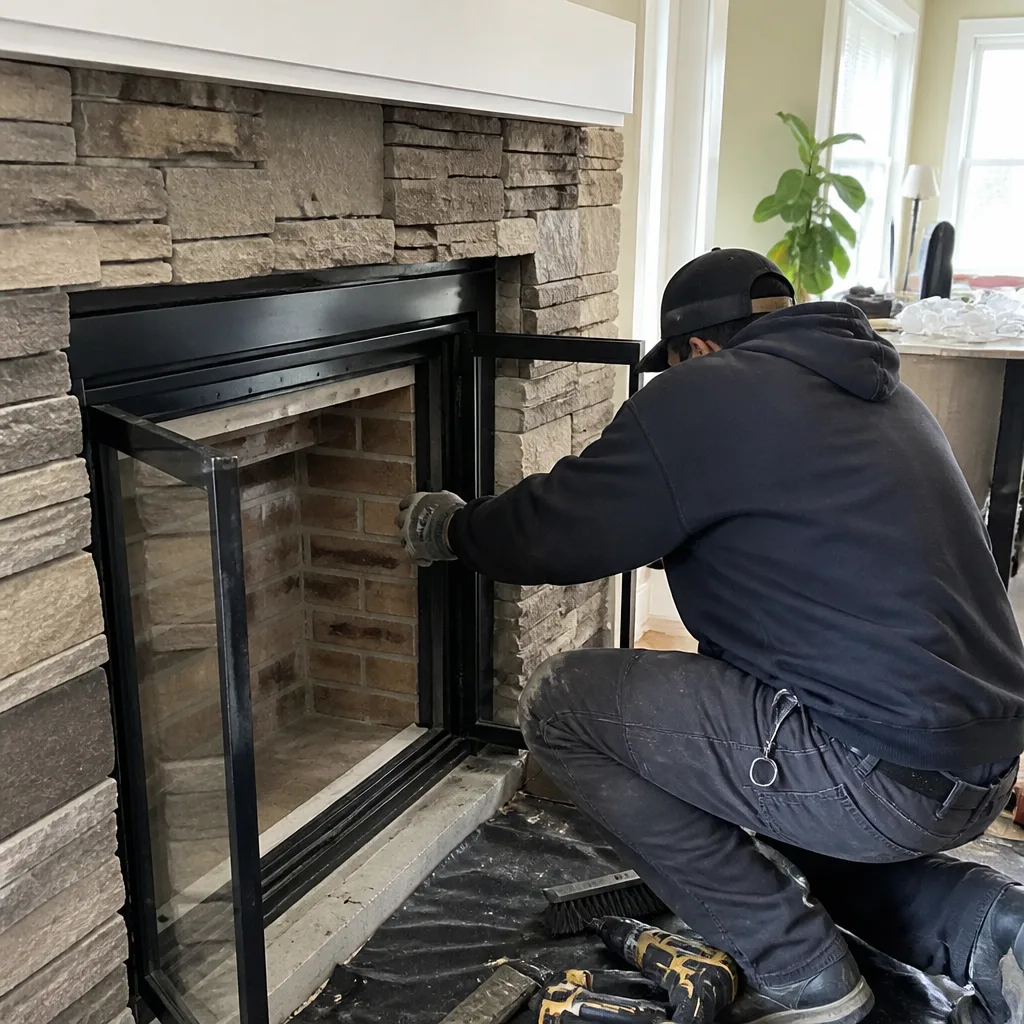 After
After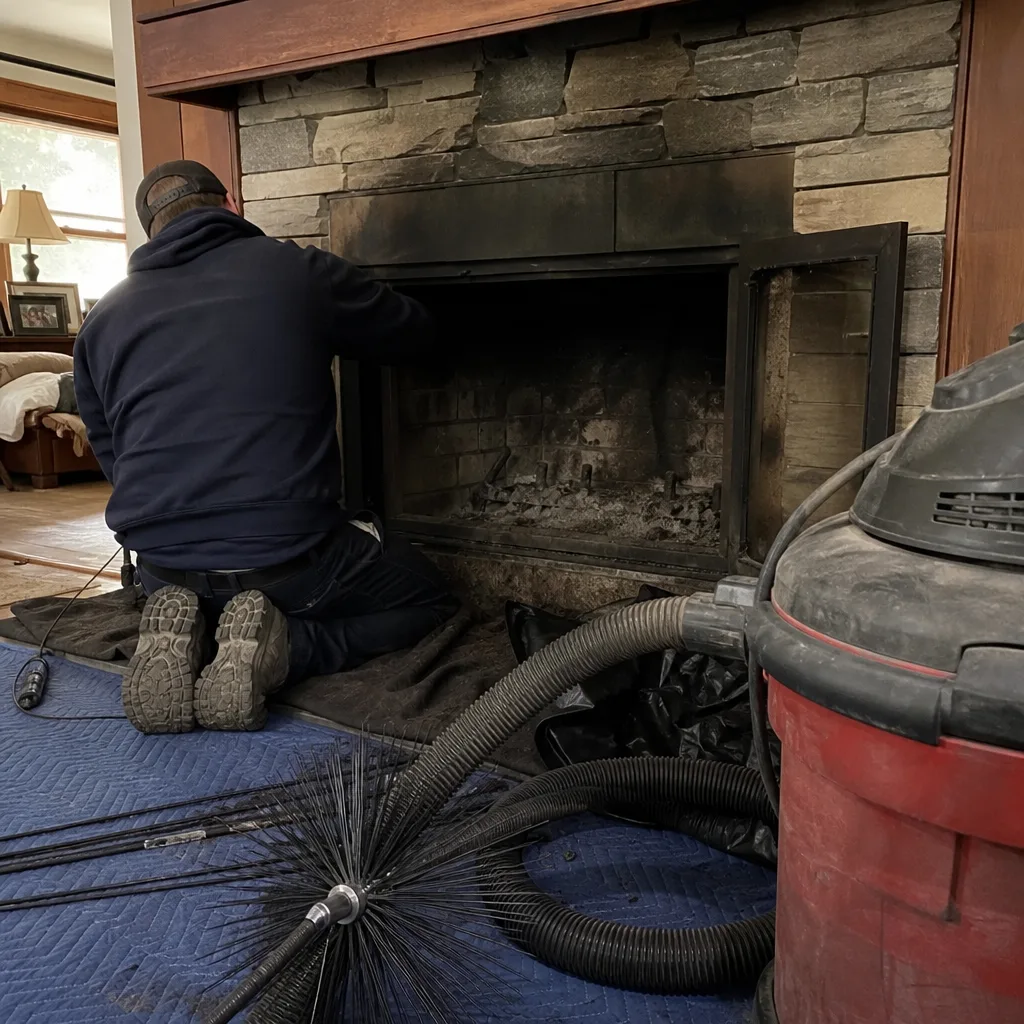 Before
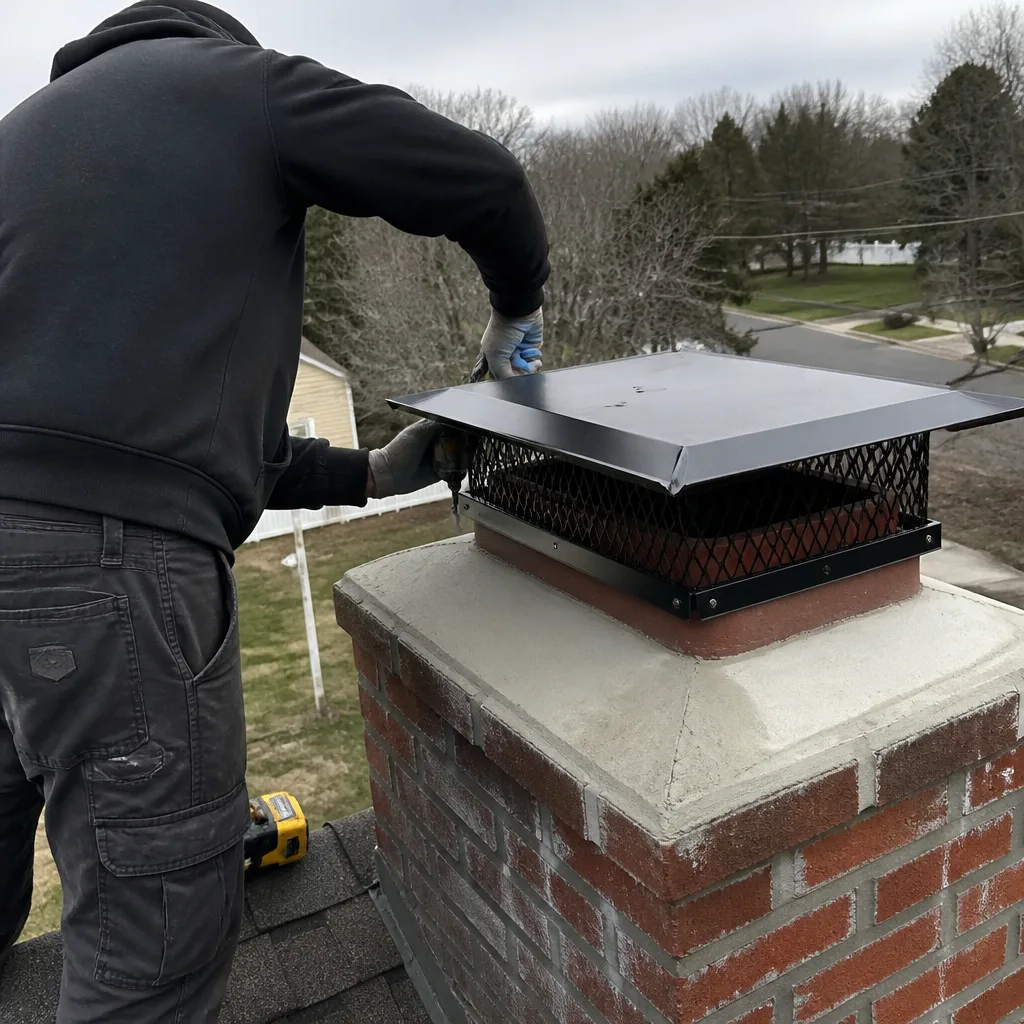 After
AfterChimney Cleaning & Sweep Maintenance Checklist for Brentwood Homeowners
Nine out of ten homeowner chimney checklists online were written by content agencies, not sweeps. They tell you to “check for cracks” without telling you which cracks matter and which ones don’t. They list “inspect the damper” but never explain what a failing damper sounds like when you close it. This guide is different. It’s built for Brentwood homeowners who want to know what’s normal, what’s not, and what to do about what they find. It’s the same list Wendell Pike has handed to neighbors in Brentwood since 1999, written so you can use it without a ladder if you’d rather keep both feet on the ground.
Quick Answer
A chimney maintenance checklist for Brentwood homeowners comes down to this: book our Chimney Cleaning & Sweep services once a year regardless of how often you burn, check for visible masonry cracks and efflorescence each spring, run your hand along the firebox walls for flaking brick in September, and call a sweep immediately if you smell anything like asphalt or barbecue inside the house during or after a fire. The full checklist below explains what each check actually tells you.
Table of Contents
- Month-by-Month Checklist
- What to Check From the Ground
- What to Check From the Firebox
- What to Check From the Roof (or With Binoculars)
- Efflorescence vs. Active Moisture: The Difference That Matters
- What to Smell For, What to Listen For
- A Record-Keeping Template That Actually Helps Your Sweep
- Which Checks Skip a Year, Which Never Can
- Common Mistakes to Avoid
- When to Call a Professional
- Frequently Asked Questions
- The Bottom Line
Month-by-Month Checklist
Brentwood gets real winters. Freeze-thaw cycles work on brick and mortar from November through March, and the salty air off the South Shore doesn’t help. Here’s what to do each month. None of these take more than ten minutes, and most don’t require anything but your eyes and a flashlight.
January: Burn and Watch
- During your first fire of the month, watch the smoke exiting the chimney. It should rise cleanly. If it hangs low or curls back toward the roof, note it.
- Listen for any crackling that isn’t coming from the firewood. Creosote makes a distinct hiss-pop when it’s thick enough to ignite.
- Check the damper handle for resistance. It should open and close with a firm, smooth throw.
February: Check for Water Stains
- Look at the ceiling around the chimney chase. Any yellow-brown rings mean water is getting past the flashing.
- Check the firebox walls for dark, wet-looking patches. If the brick stays damp for more than a day after a fire, water is entering from above.
- Smell the firebox when it’s cold. A damp, musty odor in February often means a cracked crown.
March: Visual Check From the Ground
- Walk to the street or your back property line and look at the chimney as a whole. Is it plumb? A leaning chimney is never cosmetic.
- Look for missing or shifted bricks. Even one missing brick lets water into the structure.
- Check the chimney cap if you have one. From the ground, it should sit level and centered.
April: Post-Winter Inspection
- After the last freeze, look for new cracks in the crown (the concrete cap at the top). Freeze-thaw opens hairline cracks every year.
- Check the flashing where the chimney meets the roofline. Lifted edges or visible gaps mean water is getting underneath.
- Inspect the mortar joints you can see. Crumbling mortar in April means water got in and froze during the winter.
May: Off-Season Sweep
This is when we recommend most Brentwood homeowners book their annual cleaning. Creosote sits in the flue all summer, and acidic creosote keeps eating at the liner even when you’re not burning. A May sweep-The Complete Guide to Chimney Cleaning in Brentwood explains why the timing matters-means your chimney is clean and dry going into the humid Long Island summer. It also means you don’t have to think about it again until fall.
June: Check the Chase Cover
- If your chimney has a metal chase top, look for rust. Rusted chase covers are the single most common source of water damage we see in Brentwood.
- Check the caulk or sealant around the chase cover. It dries out and cracks within three to five years.
- Look inside the firebox for any new rust stains on the damper or firebox floor.
July: Inspect the Damper
- Open and close the damper fully. It should move freely without grinding.
- Look up into the throat of the chimney with a flashlight. You should see clean flue tile or a smooth metal liner. If you see hanging tar or glossy black buildup, call us.
- Check the damper gasket or seal if you have a newer top-sealing damper.
August: Pre-Season Prep
- Schedule your fall sweep now. The September rush fills up fast, and Brentwood sweeps book out weeks in advance.
- Check your firewood. It should have been split and stacked for at least six months. Green wood creates more creosote than any other single factor.
- Inspect the firebox floor for ash buildup you never removed. Old ash holds moisture against the brick all summer.
September: First-Fire Readiness
- Before your first fire, shine a flashlight up the flue from the firebox. You should see clean surfaces. Any glossy, tar-like residue means creosote is present.
- Light a small piece of newspaper and hold it near the damper opening. If smoke doesn’t draw up immediately, your flue is cold or blocked.
- Smell the firebox. It should smell like old ash and brick. It should not smell like asphalt, tar, or barbecue glaze.
October: First Fires, Pay Attention
- During the first three fires, listen for anything beyond normal wood crackle. Creosote ignition sounds like a jet engine starting inside the flue.
- Note how the fire behaves. A healthy fire draws air from the room. If you have to crack a window to get a good burn, you have a draft problem.
- Check for smoke entering the room at any point. Even a small wisp on startup means something isn’t right.
November: Peak Season Monitoring
- After every fire, check the firebox for creosote flakes that have fallen from above. Dark, shiny flakes mean the flue is building up faster than it should.
- Verify the damper closes tightly. A damper that won’t close lets heated air escape all night and cold air pour down all morning.
- Look for soot staining on the fireplace face or mantel that wasn’t there in October.
December: Holiday Burn Awareness
- Never burn wrapping paper, cardboard, or pine branches. They create rapid, high-temperature fires that ignite creosote deposits quickly.
- Watch for sluggish smoke on cold starts. Cold flues in December need more time to establish draft.
- If you notice anything unusual at any point, write it down. The record-keeping section below tells you exactly how.
This monthly rhythm catches most problems before they become expensive ones. It’s not busywork. It’s the difference between a $250 sweep and a $4,000 reline.
What to Check From the Ground
You can learn more about your chimney from the ground than most people realize. No ladder required. We’ve trained Brentwood homeowners to do these checks for years, and the ones who do them catch problems early enough to save real money.
First, step back and look at the whole chimney. Get far enough away that you can see it against the sky. Look for any lean, bow, or twist in the structure. A chimney that’s out of plumb is a structural issue, not a cosmetic one. On a brick chimney, look at the mortar lines. They should be straight and even. If you see stair-stepping cracks running through the mortar, that’s foundation movement or serious water damage.
Second, check the cap and crown. From the ground, you can see whether the cap is level. A tilted cap usually means the crown beneath it has cracked. You can also spot missing cap sections or a cap that’s rusted through with a decent pair of binoculars. Any gap at the top of the flue is an open door for rain, snow, and birds.
Third, look at the flashing. The metal strip where the chimney meets the roof is the first line of defense against water. From the ground, look for sections that appear lifted, bent, or missing. If the flashing looks wavy or corroded, water is getting underneath. Even with binoculars, if you can see daylight between the flashing and the brick, that’s a failed seal.
Fourth, inspect the brick face. Look closely at individual bricks. In Brentwood, we see a particular pattern: the bricks on the south-facing side of the chimney deteriorate faster because they get direct sun and driving rain. Any brick that’s spalled, flaked, or split open is a brick that’s absorbing water. One bad brick invites the ones around it to fail.
None of these checks require getting off the ground. If you spot something that concerns you, a professional chimney repair in Brentwood can tell you whether it’s urgent or whether it can wait.
What to Check From the Firebox
This is the check that tells you the most about what’s happening inside your chimney. It takes a flashlight and about five minutes. Here’s the pass/fail breakdown.
Check the firebox walls. Run your hand along the brick. It should feel solid and smooth. If it feels powdery, sandy, or if bits of brick flake off on your fingers, the firebox brick is failing. In a wood-burning fireplace, the firebox is meant to withstand direct flame for decades. When it starts to crumble, the heat can reach the wood framing behind it.
Check the damper. Open it fully and close it fully. It should move smoothly through its whole range. If it sticks, grinds, or won’t close all the way, you’re losing conditioned air in summer and heat all winter. Also look at the damper itself. A rusted damper plate means water has been getting down the flue. That’s not a damper problem. That’s a cap or crown problem that’s just showing up at the damper.
Look up the flue with a flashlight. Crouch down and aim the light directly up. In a clean flue, you’ll see the rectangular flue tile or the corrugated surface of a metal liner. If you see anything hanging from the walls that looks like black tar, glossy coffee grounds, or flaky charcoal, that’s creosote in varying stages. Stage one is a fine soot layer, normal after burning. Stage two is crunchy, flaky deposits. Stage three is the glossy glaze. If you can see stage two or three with a flashlight from the firebox, it’s past time for a chimney cleaning in Brentwood.
Check the firebox floor. Remove any old ash and look at the floor brick. Cracks in the floor brick are less urgent than cracks in the walls, but they still let heat through. If the floor brick is missing pieces, the fireplace is unsafe to use until repaired.
Check the smoke chamber. This is the section above the damper where the firebox narrows into the flue. It’s hard to see from the firebox, which is why it gets skipped on most homeowner checklists. But with a bright flashlight and the right angle, you can catch the bottom edge of it. If you see dark, sooty deposits or missing mortar, mention it when you call. A smoke chamber with missing mortar is a hidden creosote trap, and it’s one of the areas a sweep checks during a full fireplace service in Brentwood.
What to Check From the Roof (or With Binoculars)
Some checks genuinely require getting on the roof. We’ll be honest about which ones, because climbing a ladder in winter to inspect a chimney isn’t something we’d ask a homeowner to do if it wasn’t necessary. If you’re not comfortable on a ladder, a good pair of binoculars from the ground will answer most of the same questions.
The crown. The crown is the concrete slab at the very top of the chimney that seals off the brick from the weather. Cracks in the crown are the leading cause of chimney water damage we find in Brentwood. From the roof, you can see hairline cracks and hairline is all it takes. Water gets into a hairline crack, freezes overnight, and widens it every single time. Check for any cracking, any pitting, or any spot where the crown has separated from the brick. If you can slip a coin into a crack, it’s time to reseal or recast.
The cap and screen. Every Brentwood chimney should have a cap with a spark arrestor screen. The cap keeps rain and snow out of the flue. The screen keeps embers from landing on your roof, and it also keeps birds, squirrels, and raccoons from setting up house inside. On the roof, check that the cap is fastened securely and its screen is intact. A cap torn loose after a Nor’easter is common. A gap at the cap joint is also common and just as damaging.
The flashing. On the roof, you can see the flashing details you can’t see from the ground. Good flashing is cut into the mortar joints in step pattern and sealed with a quality sealant. Look for lifted corners, missing sealant, rust-through, or any section where the metal has pulled away from the brick. If you can see tar that’s cracked and peeling, the flashing was likely a roof patch, not a proper chimney flashing job.
The brick and mortar at the top three feet. The top section of a chimney takes the worst of the weather. Inspect it carefully. Wiggle any loose bricks. If a brick moves, the chimney needs structural repair before the next storm season. Check mortar joints for missing sections. In Brentwood, we recommend repointing at the first sign of crumbling mortar, because every open joint is a water entry point and every freeze-thaw cycle makes it worse.
One honest note: if you’re not steady on a roof or your roof has a steep pitch, don’t go up there. A sweep who inspects your chimney from the roof as part of a cleaning will note everything in this section and show you the photos. The view from the roof matters, but not enough to risk a fall.
Efflorescence vs. Active Moisture: The Difference That Matters
Most checklists tell you to look for efflorescence without explaining what it is or when it’s a problem. In Brentwood, this distinction matters because our freeze-thaw cycles turn minor moisture into major masonry damage fast.
Efflorescence is the white, powdery deposit that appears on the surface of brick. It’s caused by water moving through the brick and carrying soluble salts to the surface, where the water evaporates and leaves the salt behind. Efflorescence by itself is not structural damage. It looks bad, but it’s often a one-time event, especially on newer brick or after a season of heavy rain. If you brush it off and it doesn’t return, the brick was just releasing salts from its original firing.
Active moisture intrusion shows up differently. Here’s how to tell the difference in Brentwood:
- If the white deposits keep coming back after you clean them, water is actively moving through the brick. That’s not efflorescence anymore, that’s a moisture problem.
- If you see dark, wet-looking patches on the brick that stay wet for days after a rain, water is being absorbed from somewhere it shouldn’t be. This is the stage before spalling.
- If the white deposits form a hard crust rather than a fine powder, that’s mineral buildup from years of continuous water movement. The brick is slowly dissolving.
- If you see white staining on the interior firebox walls, that’s not efflorescence. It’s water entering the flue from above and running down the liner. That’s a cap or crown problem.
The simplest test: clean the white powder off. If it returns within a month, call us. If it stays gone, keep an eye on it and check again next spring. One thing we tell Brentwood homeowners constantly: the brick doesn’t care whether the water came from a hurricane or a bad cap. It only cares that it got wet and froze.
What to Smell For, What to Listen For
Your nose and your ears will tell you things about your chimney that your eyes can’t. It’s why we ask homeowners to pay attention during the first few fires of the season. These sensory cues show up before visible problems do.
The smell of a healthy chimney is faint. It’s a mild, dry smell, like cold ash and warm brick. Nothing sharp, nothing chemical. Here are the smells that mean something is wrong:
- Asphalt or tar: This is stage-three creosote. It smells like a fresh blacktop driveway or a roofing project. If you smell this inside your home during a fire, creosote has glazed up in the flue. Stop burning and call us. Stage-three creosote doesn’t brush out, and it’s the fuel for chimney fires.
- Barbecue glaze or burnt sugar: This is stage-two creosote. It’s a sweeter, smokier smell, like the crust on overcooked ribs. Stage two is brushable, but you don’t want to burn with it present. A sweep can remove it before it becomes stage three.
- Mold or mildew: This means water is sitting somewhere it shouldn’t. Most often it’s a cracked crown letting rain drip down the flue, or a failed chase cover on a prefab chimney. The smell is stronger in summer when heat and humidity activate it.
- Sulfur or rotten eggs: This can indicate a drafting problem pulling gases from appliances into the chimney space. Treat it seriously. Stop burning and get an inspection.
What you hear matters too. A normal fire has a low, even rumble with the occasional snap of a log. Here are the sounds that mean trouble:
- Hissing or sizzling coming from the flue, not the fire: That’s creosote heating up and beginning to vaporize. It’s the sound of a chimney fire waiting for the right conditions.
- A roaring sound that gets louder than the fire: That’s a chimney fire. If you hear this, close the damper if you can do so safely, get everyone out, and call 911.
- A hollow clunking when you tap the firebox walls: Brick that sounds hollow has separated from the mortar behind it. It’s loose and will keep loosening.
- A rattling damper when the fire is burning: The metal is expanding with heat against a buildup of creosote, or the damper assembly is loose. Either way, it needs a look.
Pay attention during the first three fires of the season. That’s when you’ll catch the smells and sounds that indicate what the summer did to your chimney while you weren’t looking.
A Record-Keeping Template That Actually Helps Your Sweep
Most home maintenance records are vague: “cleaned the chimney, fall 2023.” That tells your next sweep almost nothing. What actually helps is a record of what was done, what was found, and what was recommended. Here’s a template we use with Brentwood homeowners so that any sweep who shows up has the full picture.
Keep a simple notebook or a note on your phone with these fields:
- Date of service: Keep it precise. Month and year at minimum.
- Who did the work: Company name and the actual sweep’s name. If you used different companies over the years, that’s fine. The record still matters.
- What was done: Full sweep, spot cleaning, crown seal, cap replacement, liner inspection, masonry repair. Don’t guess. Write what the invoice says.
- What was found: This is the most useful line. Did the sweep report stage-one, stage-two, or stage-three creosote? Were there cracked tiles? A failing crown? Missing mortar? Write it down exactly.
- What was recommended: Did the sweep say “repack the crown next year” or “liner has five years left”? Write that down too. Next year’s sweep needs to know.
- Cost: Not for comparison shopping. For your own understanding of what’s been invested in the chimney over time.
- Photos: If the sweep gave you camera footage or still photos, keep them. The next sweep can compare.
That’s it. Seven fields. It takes two minutes per service, and it gives any future sweep a complete history. When we show up to a house in Brentwood for the first time and the homeowner hands us five years of records like this, we can do a much better job than if we’re starting from zero. The record is the difference between guessing what happened and knowing what happened.
Which Checks Skip a Year, Which Never Can
Here’s the honest breakdown. Some of the items on a typical chimney checklist can safely skip a year. Others can’t. No padding, no fear-selling.
Checks that can skip a year without concern:
- Full camera inspection of the liner. If you had one last year and nothing has changed, a visual flashlight check from the firebox is adequate. Camera every two to three years is plenty unless you’re burning heavily or had a chimney fire.
- Chimney cap replacement check. If the cap was new or in good shape last year, it doesn’t need a dedicated re-inspection. It gets checked as part of the full visual anyway.
- Firebox repointing. If the firebox was repointed recently and the mortar is holding, you can wait and check it again next year. Firebox mortar in a well-used fireplace lasts longer than people think.
- A full roof-level inspection. If you had a professional on the roof last year and the findings were clean, a ground-level binocular check this year is sufficient. Save the roof climb for every two years.
Checks that genuinely cannot skip a year:
- The annual sweep. Once a year, burn or no burn. Chimneys break in the off-season too. Creosote sits and eats at the liner. Water gets in through small cracks and freezes. Rodents move into the flue. The annual cleaning is also the annual inspection, and it’s the single most important chimney maintenance item there is.
- The post-winter crown check. Every single year. The crown takes the hardest beating from freeze-thaw cycles, and cracks open up every spring. Catching crown cracks early is the cheapest chimney repair you can make.
- The flashing check. Every spring. Flashing lifts, sealant fails, and water gets in. It’s a five-minute visual check that saves thousands.
- The sensation check during first fires. Every year, no exceptions. Your nose and ears will tell you if creosote built up since last season. This takes no time at all and catches the problems that matter most.
The rule of thumb we use in Brentwood: if it can leak water or catch fire, check it every year. If it’s mostly cosmetic or a confirmation of something you already checked, it can wait.
Common Mistakes to Avoid
- Burning green or unseasoned wood because it’s free. Green wood creates creosote at three to four times the rate of seasoned wood. That free wood costs you a bigger sweep bill and, eventually, a liner replacement.
- Ignoring efflorescence because “it’s just cosmetic.” It’s only cosmetic if it’s a one-time occurrence. Recurring efflorescence is water actively moving through the brick, and in Brentwood’s freeze-thaw climate, that means structural deterioration.
- Skipping the sweep because you only burn “a couple times a year.” Creosote doesn’t care how often you burn. It cares what happens after the burn. A chimney that’s used lightly can still collect enough creosote to ignite, especially if the wood is unseasoned.
- Waiting until fall to schedule a sweep. Every Brentwood sweep is booked solid in September and October. Schedule in spring or early summer, and you’ll get your choice of times, plus you’ll be ready for the first cold snap.
- Burning the wrong things in the fireplace. Wrapping paper, cardboard, and pine branches create fast, hot fires that ignite creosote deposits quickly. One Christmas morning chimney fire is all it takes.
- Ignoring the damper because it “still opens and closes fine.” A damper that’s working mechanically can still be rusted through, warped, or not seating properly. It’s the difference between a tight house and a constant heat leak.
- Hiring the cheapest sweep without checking credentials. Chimney cleaning isn’t where you want to save money. A sweep who doesn’t inspect the crown, the flashing, and the smoke chamber isn’t doing the job. At Top Hat Chimney, the camera footage and a plain-English verdict come with every job, no exceptions.
When to Call a Professional
Some findings on this checklist you can handle yourself. Others you shouldn’t. Call a professional if you see stage-two or stage-three creosote in the flue. Call if you see cracks in the crown that are wide enough to fit a coin. Call if you smell asphalt or tar during or after a fire. Call if the chimney is leaning, if bricks are loose, or if the flashing has separated from the brick. Call if water is staining the ceiling around the chimney chase. And call if you just want a second set of eyes from someone who has been inside more Brentwood chimneys than he can count. Top Hat Chimney offers free estimates in Brentwood. Call (934) 935-3847 and Wendell or one of his crew will give you an honest answer, even if the answer is “that can wait.”
Frequently Asked Questions
A standard chimney sweep and inspection in Brentwood generally runs between $200 and $350, depending on the chimney’s condition, size, and how heavily it’s used. Top Hat Chimney gives upfront pricing before work begins, and the number you hear on the phone is the number on the invoice. Call (934) 935-3847 for an exact quote based on your chimney.
Once a year, burn or no burn. This is the standard set by the National Fire Protection Association and the Chimney Safety Institute of America, and it’s what we recommend in Brentwood. The annual sweep is also the annual inspection, which is when we catch cap damage, crown cracks, and liner issues before they become expensive repairs.
You need a new liner if the current one has cracks, gaps, or has deteriorated to the point where heat or combustion gases can escape into the home. We don’t sell liner replacements on suspicion. Our camera inspection shows you the liner’s condition in real footage. If a liner is cracked or has missing joints, the footage will make the need obvious. If it’s still serviceable, we’ll tell you that too.
Creosote keeps building up. Stage one becomes stage two, stage two becomes stage three, and stage three is the glaze that ignites. If a chimney fire happens, it can crack the flue liner, damage the masonry, and in the worst cases spread heat into the home’s framing. Water also finds its way in through small cracks and does damage that compounds year after year. The $250 sweep is always the cheaper version of what happens when you skip it.
A professional sweep should not be. We lay drop cloths, seal the firebox opening with an industrial vacuum running, and the house stays as clean as it was when we arrived. If a sweep tells you they’ll “do their best to keep it clean,” find a sweep who uses a dust control system. At Top Hat Chimney, we treat your Brentwood home like our own.
You can brush the easy stuff, but you can’t inspect what you can’t see. For more guides & resources, explore our blog. A DIY sweep misses the crown condition, the flashing, the smoke chamber, and the liner interior. The brush may knock loose some surface creosote, but it won’t tell you whether your chimney is structurally safe to burn. In a chimney, the danger is almost always in the part you can’t reach. That’s what the camera finds.
The Bottom Line
A chimney maintenance checklist is only as good as what it helps you find. The monthly routine, the ground-level visual checks, the firebox inspection, and the attention to smells and sounds will catch nearly every chimney problem a Brentwood homeowner will ever face, before it becomes a four-figure repair. Keep records. Don’t skip the annual sweep. Pay attention during the first fires of the season. And when something doesn’t seem right, call someone who will give you an honest answer and show you the footage to back it up. That’s how it’s been done at Top Hat Chimney since 1999, and it’s how Wendell Pike runs into you again on Saturday and asks how the fireplace is burning.
Call (934) 935-3847 for a free estimate, a free second opinion on any written estimate, or just a straight answer about what you found on this checklist. $40 off any repair over $200. No trip charge inside the county. 10% off for seniors and veterans. A live person answers every call, around the clock.
Written by Wendell Pike, Owner at Top Hat Chimney, serving Brentwood since 1999.