
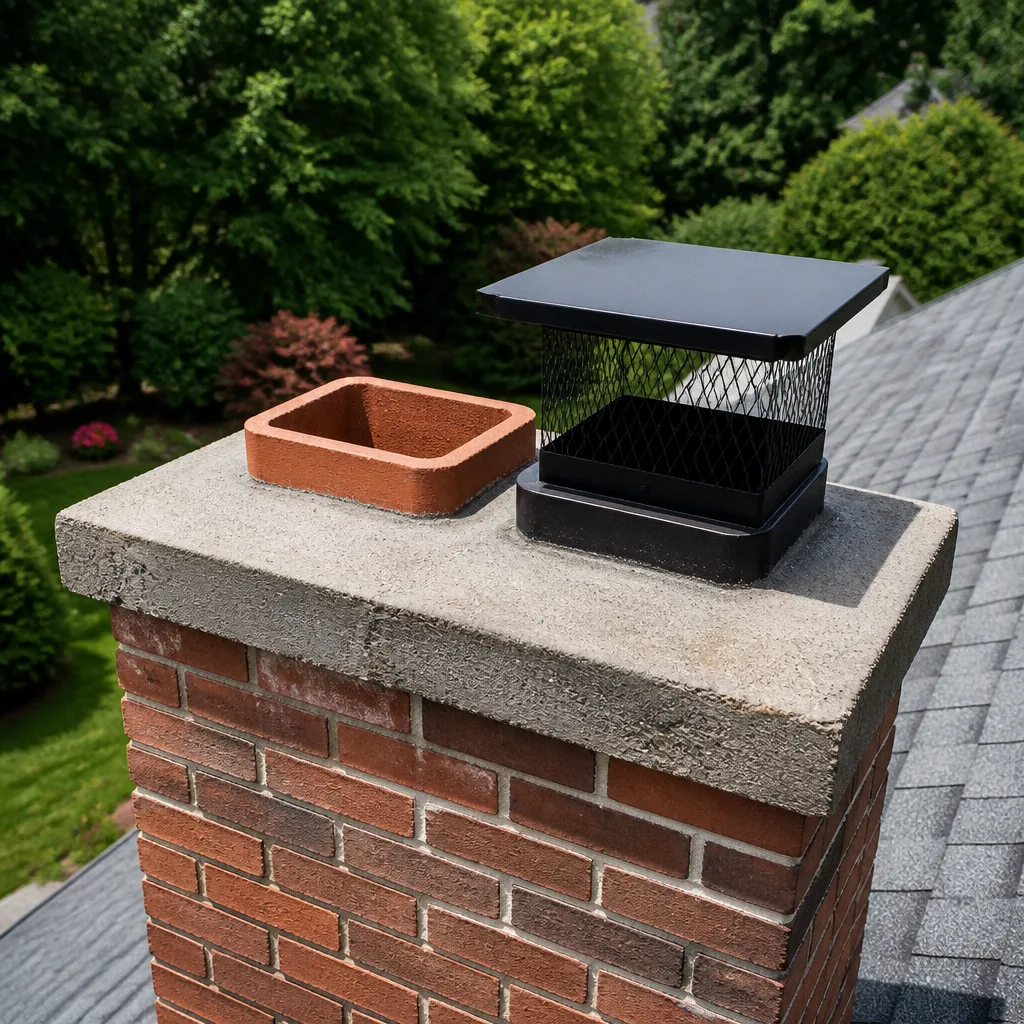
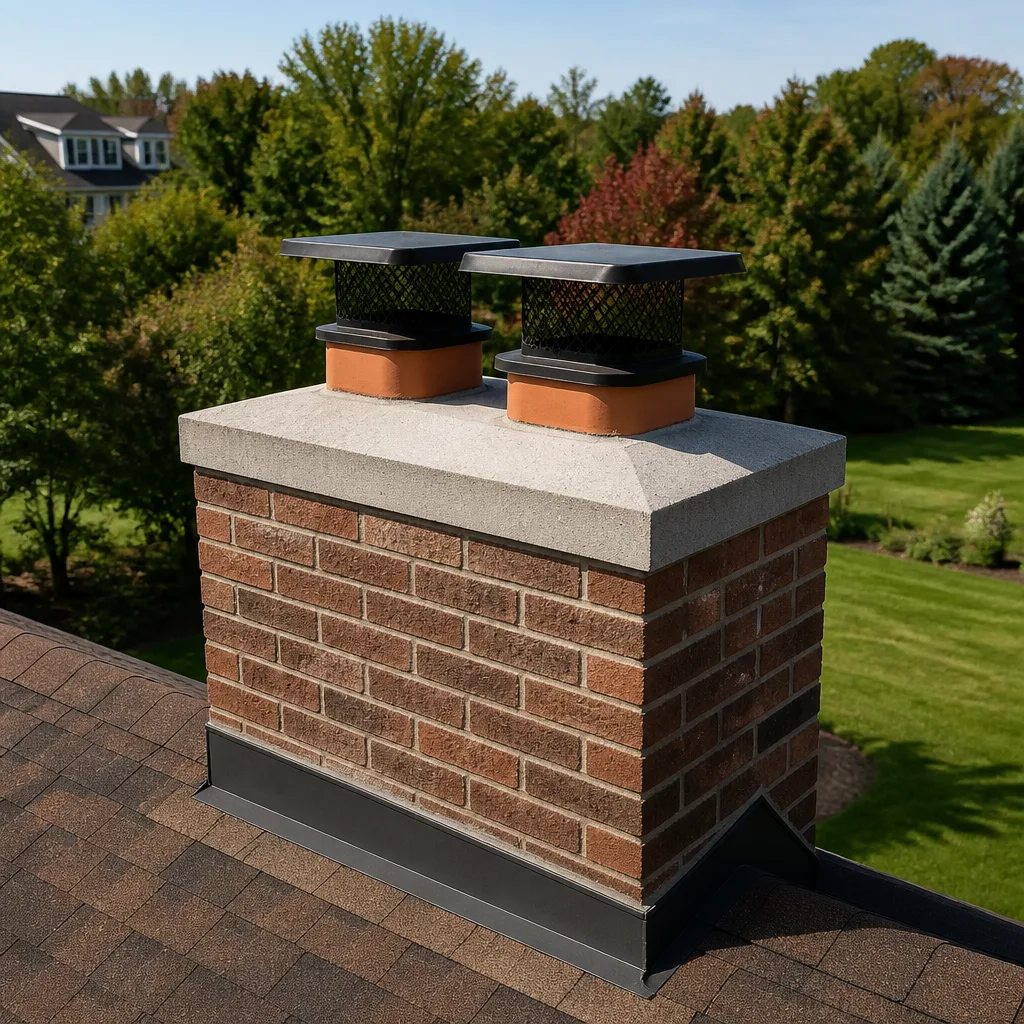
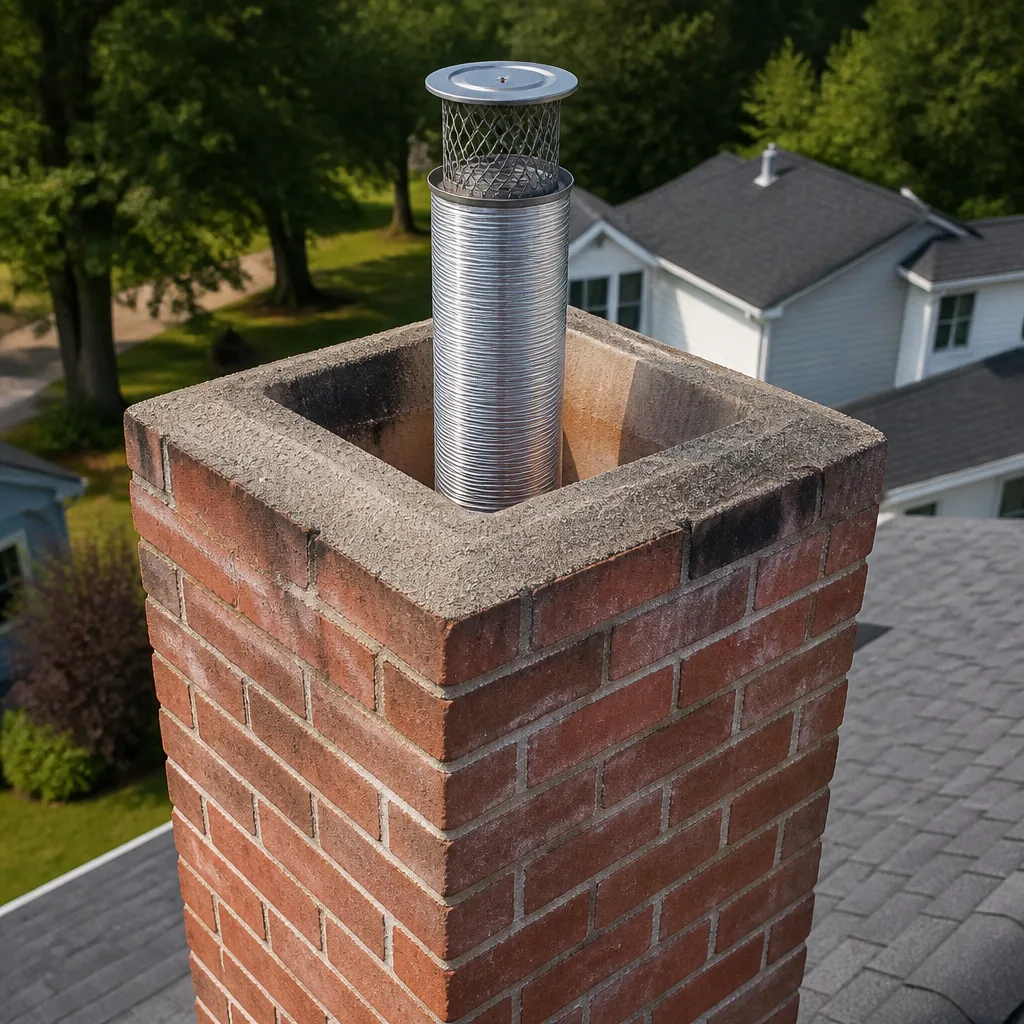
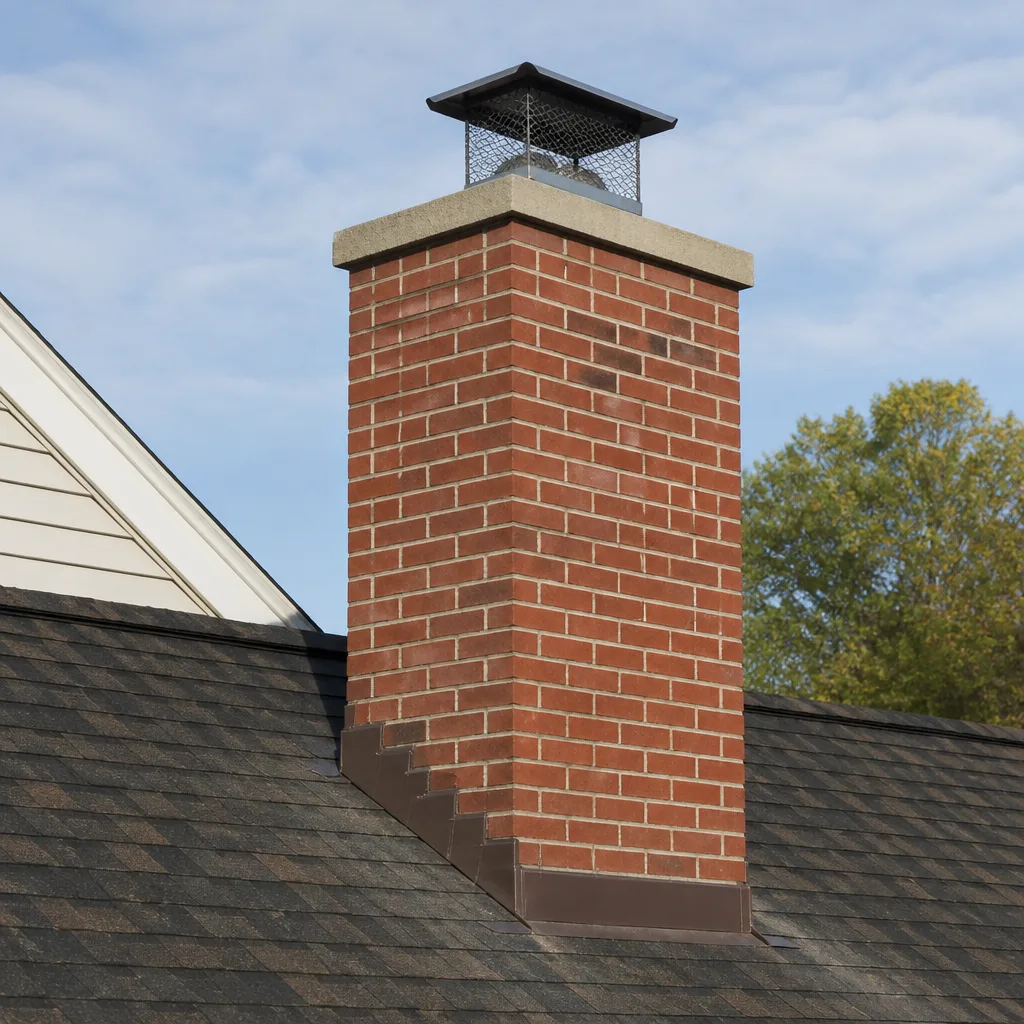
Level 1 sweep and inspection to the NFPA 211 annual standard - flue, crown, cap, and flashing checked and photographed
Chimney sweep logs do not sweep chimneys. They loosen some creosote - which then falls where a brush and vacuum still have to collect it.
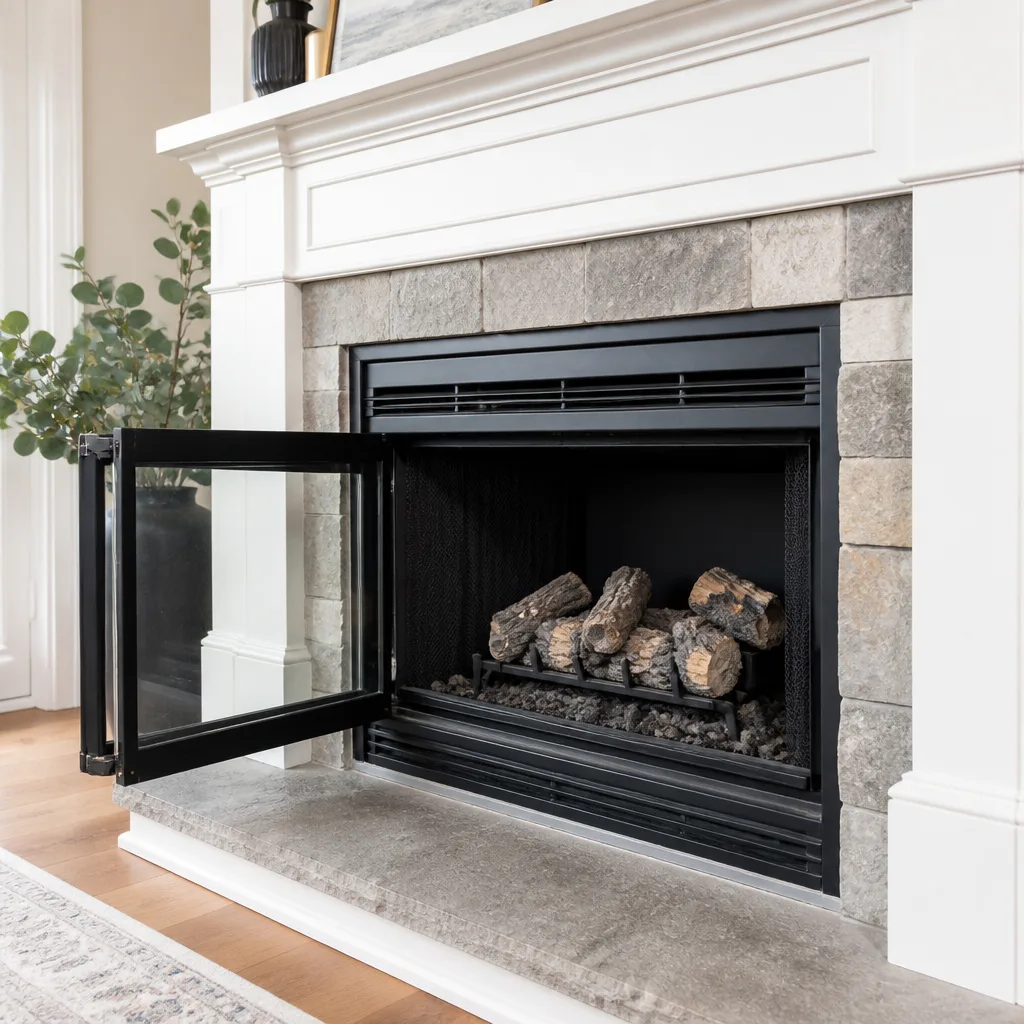
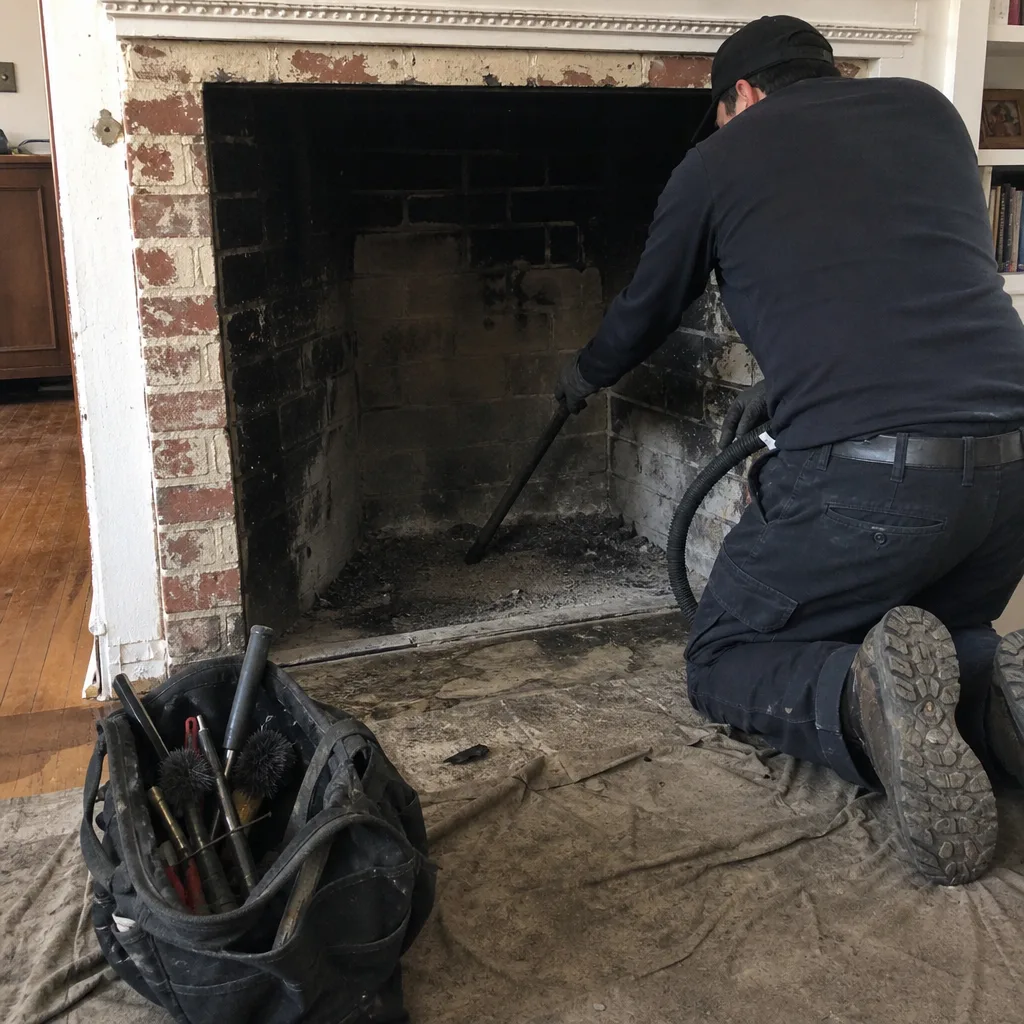 Before
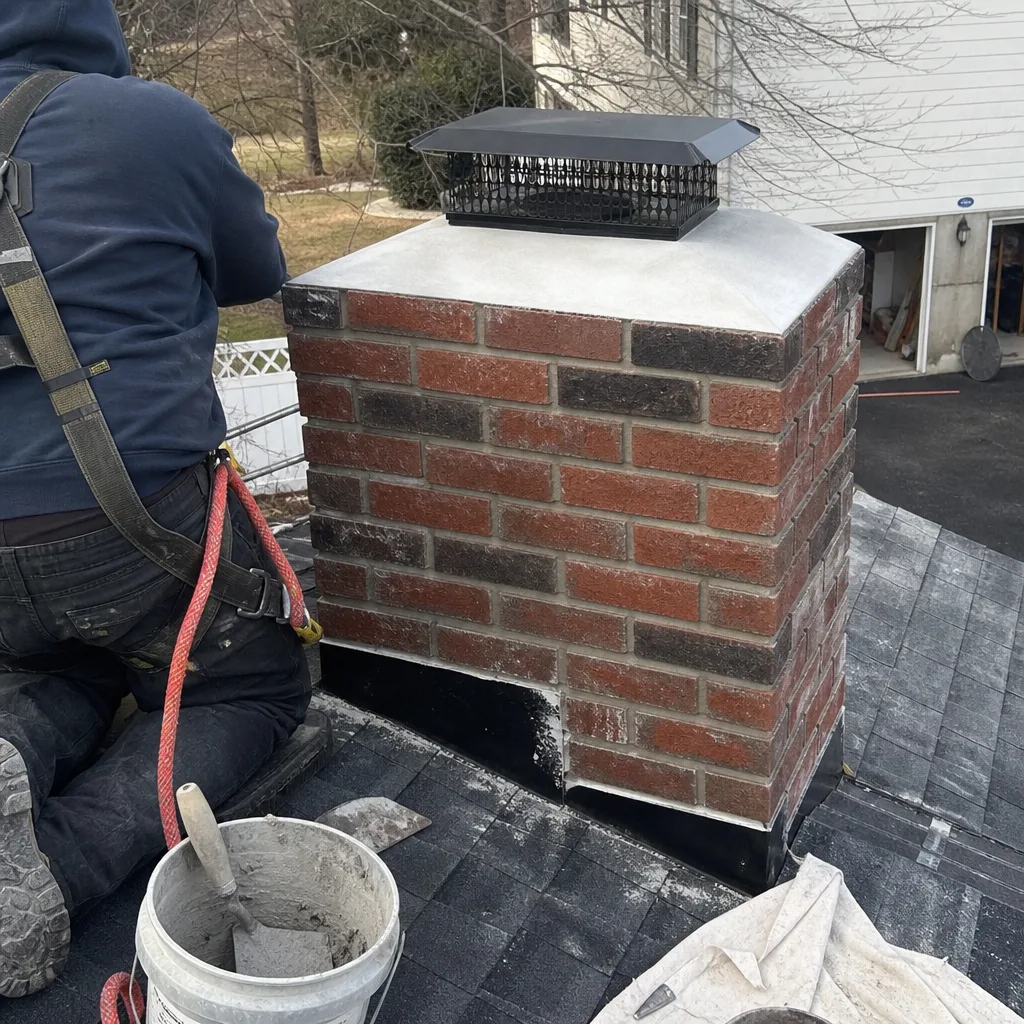 After
After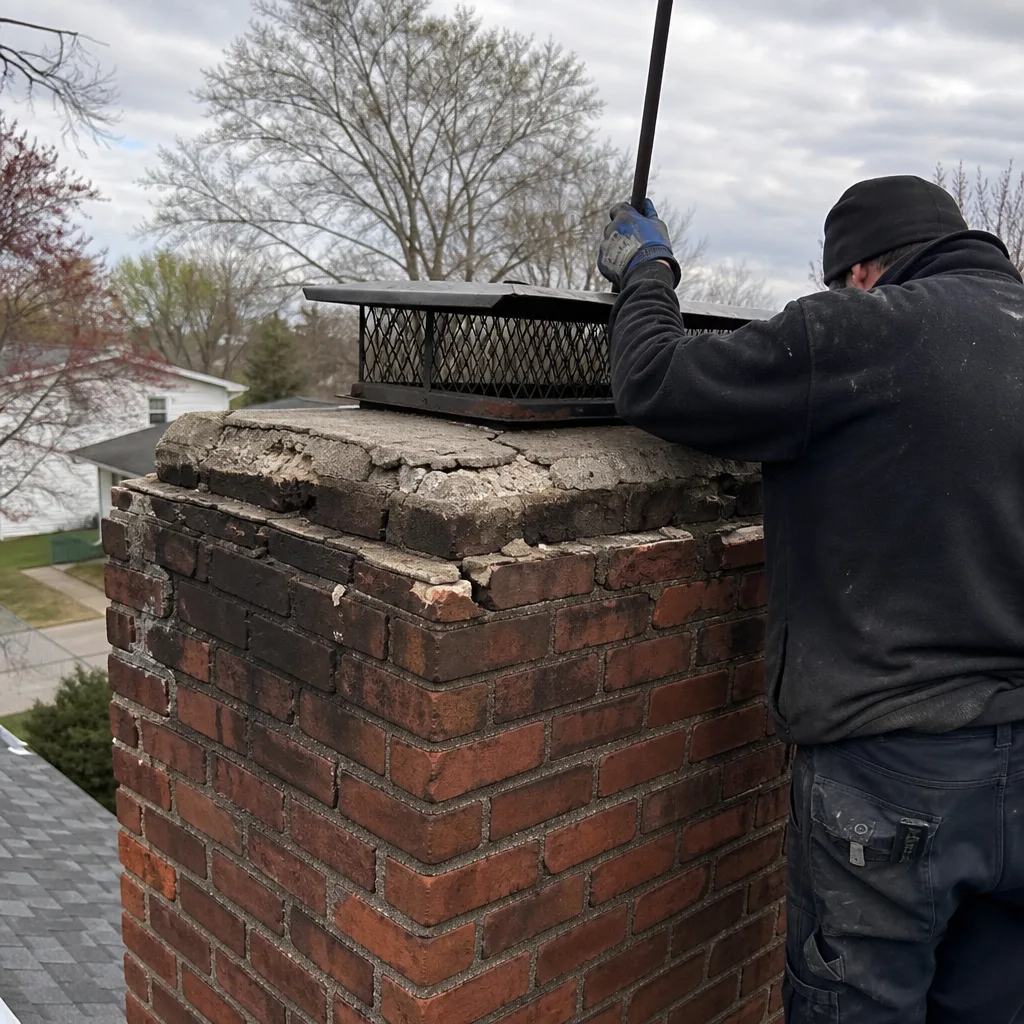 Before
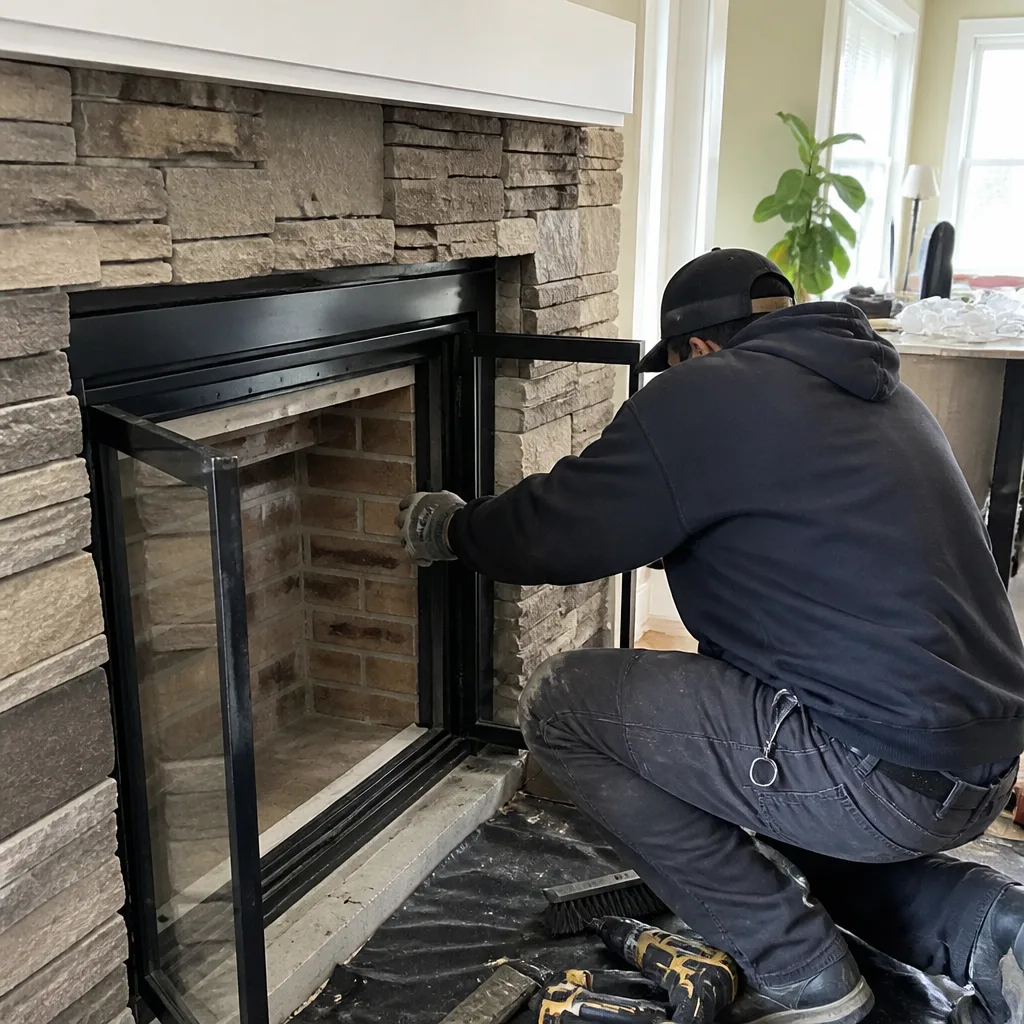 After
After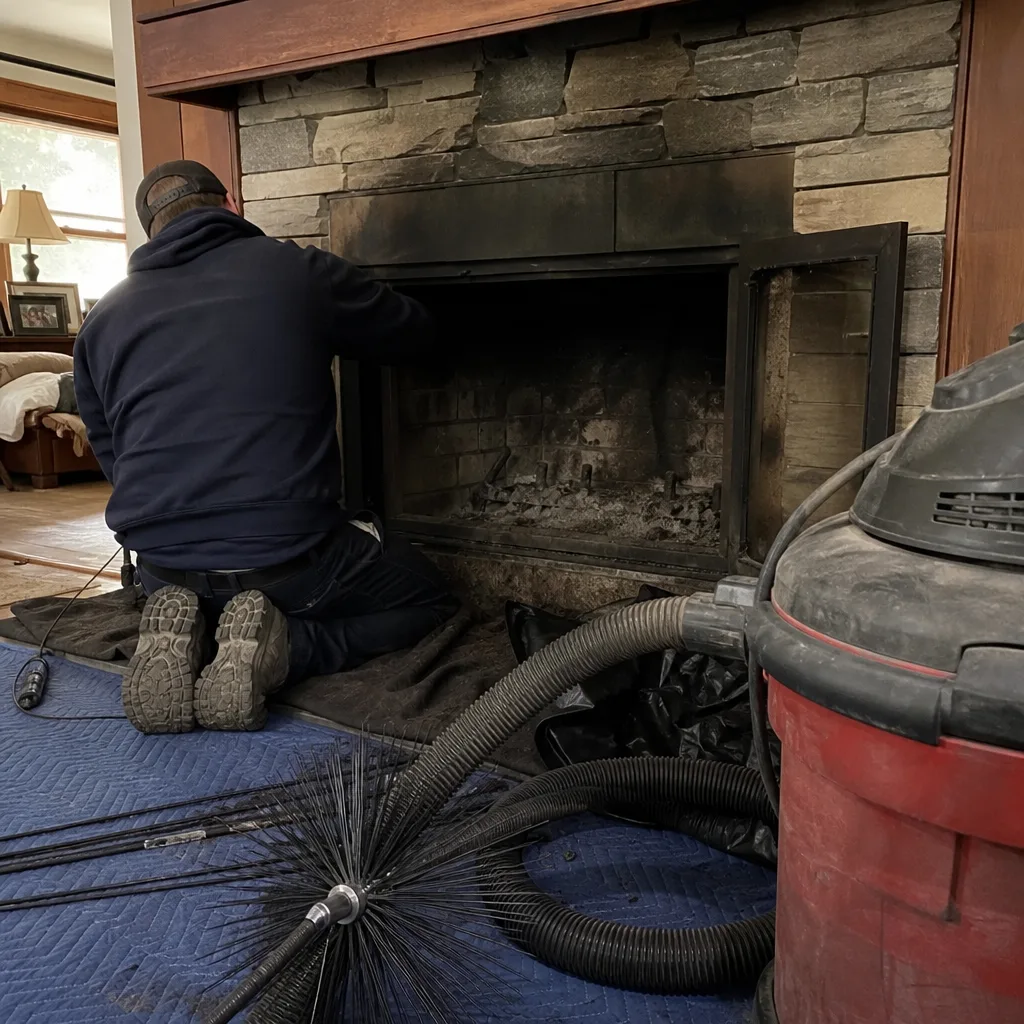 Before
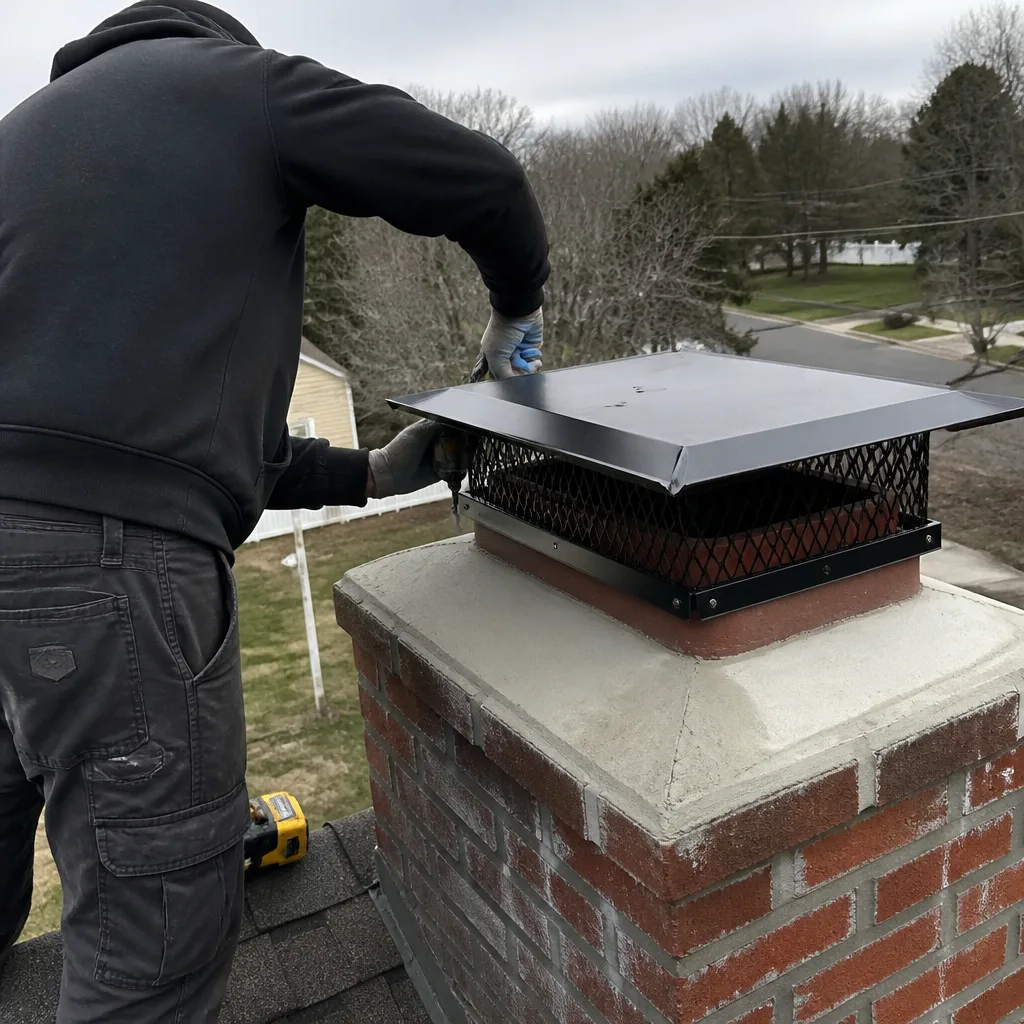 After
AfterCreosote Removal in Brentwood, NY
Creosote removal in Brentwood, NY typically costs between $180 and $450 depending on how much buildup is present and what degree of creosote you’re dealing with. Most jobs are completed the same day, and Wendell can usually tell you which category you’re in before a single brush touches the flue. If you want a straight answer before you commit to anything, call (934) 935-3847 – a live person picks up every time, around the clock.
Top Hat Chimney has been providing Chimney Cleaning & Sweep services in Brentwood and across Suffolk County since 1999. That’s over 29 years of flues, fireboxes, and the kind of creosote buildup that happens when a wood stove runs hard through a Long Island winter. Wendell Pike founded this company and still runs the jobs himself, which means the person who answers your call is often the same person who shows up at your door.
Creosote is a byproduct of wood combustion. It forms inside your flue liner every time you burn, coating the walls in layers that range from a dry, flaky powder to a rock-hard, shiny glaze. Left alone, it doesn’t just restrict airflow – it’s the primary cause of chimney fires in the US, and it burns at temperatures that can crack liners and ignite framing inside your walls. The job of creosote removal isn’t glamorous, but it’s one of the most important things you can do for a house where anyone burns wood.
If you’re not sure what’s going on inside your flue, that’s fine. Start with our Chimney Cleaning & Sweep in Brentwood overview – it explains the full inspection and sweep process that creosote removal typically falls under. When Wendell and his crew open your cleanout and run the camera, you’ll get a plain-English verdict on what’s there and what it will take to fix it.
When You Need Creosote Removal
A lot of homeowners in Brentwood don’t know they have a creosote problem until Wendell shows them the camera footage. That’s not unusual – creosote hides in the upper flue sections you can’t see from the firebox. Here are the situations that typically mean a standard sweep isn’t enough and targeted creosote removal is what you actually need:
- You smell a sharp, smoky odor inside the house when the fireplace is closed. In Brentwood’s older Cape Cods and split-levels, that smell in July or August usually means third-degree creosote baking in a hot attic. It’s the flue venting backward through the pores of the buildup.
- You’ve burned unseasoned or green wood at any point in the last two seasons. Green wood produces far more smoke and far more creosote than dry, seasoned hardwood. One winter of burning green oak can leave a flue liner coated in ways that a standard rotary brush won’t touch.
- You run a wood stove on low overnight to keep the heat up. Smoldering, low-temperature fires are the single biggest contributor to third-degree (glazed) creosote. We see this constantly in homes near the Pine Barrens corridor where wood heat pulls more weight through the cold months.
- There’s visible dark residue or flaking on the smoke shelf or damper. If you can already see creosote dropping into the firebox, what’s above it in the liner is almost certainly heavier. That’s a removal job, not a brush job.
- You heard a loud pop or roar from the fireplace during a fire, and now the fire feels hotter than usual. That sound is often a small chimney fire burning off a creosote pocket. Once you’ve had one, the residue left behind is exactly the kind of glazed third-degree buildup that requires chemical treatment before any brush will work.
- Your last sweep was more than 18 months ago and you burned regularly through last winter. The NFPA recommends an annual inspection, and in Brentwood’s climate – with shoulder-season burns stretching from October through April – 18 months of use without a look is long enough that creosote accumulation is essentially guaranteed.
Our Creosote Removal Process
There’s no single tool that handles every degree of creosote. First-degree buildup is a brush job. Second-degree calls for rotary cleaning systems. Third-degree glaze – the stuff that looks like black glass on the inside of a liner – requires a chemical treatment applied first to break down the structure before any mechanical removal can work. Wendell has been doing this long enough that he knows within the first few minutes of a camera scan which approach the job needs. Here’s how a typical creosote removal call goes at a Brentwood home:
- Camera inspection from the firebox up. Before anything else, the crew runs a camera through the full length of the flue. This gives Wendell a clear picture of the degree of buildup, whether the liner is cracked or separated, and whether there are any other issues – animal nesting, mortar gaps, a damaged crown – that need attention alongside the creosote work. You see the footage yourself. No guessing, no taking our word for it.
- Prep and containment at the fireplace opening. Drop cloths go down. The firebox is sealed at the face to contain dust and debris inside the fireplace cavity before any brushing begins. Brentwood homes, especially the ranch styles and colonials built through the 1960s and 70s, often have open floor plans where one mistake with soot containment spreads across a living room in seconds. We take that seriously.
- Rotary or standard brush cleaning for first and second-degree creosote. For dry, flaky first-degree buildup, a properly sized chimney brush run from the top of the flue down does the job cleanly. Second-degree buildup – the tar-like, sticky stage – calls for a rotary cleaning system with stiffer heads that can cut through without embedding the material further into liner joints.
- Chemical application for third-degree glaze (when present). When the camera shows glazed creosote, Wendell applies a creosote-dissolving agent to the interior of the liner before any mechanical cleaning begins. This converts the hard glaze into a more porous, brittle material that can then be brushed out. We use products we trust – nothing corrosive to the liner or harmful to the masonry. In cases where the buildup is severe, a second treatment visit may be scheduled to confirm full breakdown before the final brush.
- Vacuuming and debris removal from the smoke shelf and firebox. Once the flue is clean, all loosened material falls to the smoke shelf and firebox. The crew vacuums it out completely with a HEPA-filtered unit – not a shop vac, not a household vac. The smoke shelf in particular tends to hold a lot of material, and skipping it means the next fire sends that debris right back up.
- Post-removal camera scan and plain-English report. The camera goes back up. You see the before and after side by side. Wendell tells you what the liner looks like, whether any cracks or damage were revealed by the removal (creosote sometimes masks fractures), and what – if anything – needs to happen next. That camera footage and a plain-English verdict, every time, no exceptions.
Creosote Removal Pricing in Brentwood
Creosote removal in Brentwood costs more than a standard sweep because it takes longer, uses more specialized equipment, and often requires chemical treatments that aren’t part of a routine clean. Here’s an honest breakdown of what drives the price:
| Service | Typical Range (Brentwood, NY) |
|---|---|
| Standard sweep (first-degree creosote) | $130 – $200 |
| Second-degree creosote removal (rotary system) | $200 – $320 |
| Third-degree (glazed) creosote – chemical + mechanical | $320 – $450+ |
| Camera inspection (included with removal, quoted separately if inspection only) | $85 – $150 |
| Follow-up chemical treatment visit (severe cases) | $120 – $180 |
A few things that affect where your job lands in those ranges: flue height (a two-story Colonial in Brentwood with a 25-foot liner takes more time than a ranch with a 14-foot run), how long since the last cleaning, and whether the liner is terra cotta tile or a flexible steel insert like a DuraFlex system. Flexible liners tend to hold buildup differently than tile, especially at the joints, and sometimes need a second pass.
If a repair comes out of the removal – a cracked tile, a damaged smoke shelf, a crown that’s let water in and contributed to the buildup – that’s priced and presented separately before any work begins. You hear the number on the phone, and that number is what’s on the invoice. No revisions at the door.
Wendell’s current standing offers apply here the same as everywhere else: $40 off any repair over $200, and 10% off always for seniors and veterans. If you’ve already gotten a written estimate from someone else, bring it – we’ll give you a free second opinion.
Call (934) 935-3847 for a free estimate. No trip charge for homes inside our service county.
FAQs – Creosote Removal
How do I know if I have creosote buildup in my Brentwood chimney?
The most reliable way is a Level 1 Inspection with a camera – that’s the only way to see the full length of the liner. Short of that, signs include a persistent smoky smell inside the house when the fireplace is not in use, reduced draft when you build a fire, visible dark flaking inside the firebox or on the damper, or a fire that seems unusually intense or hard to control. In Brentwood homes that burned regularly last winter, some level of creosote is essentially certain; the question is which degree. Call (934) 935-3847 and we can usually tell you more just from a few questions about your burn habits before we even set a visit.
Can I remove creosote myself?
First-degree creosote – the dry, flaky kind – can be partially addressed with chimney brushes sold at hardware stores, but most homeowners working from the firebox up don’t reach the full flue length and miss the heaviest buildup near the top. Second and third-degree creosote cannot be safely or effectively removed without professional rotary equipment and, in the case of glazed buildup, chemical treatments. Beyond the access problem, there’s a real safety issue: working at the top of a flue involves heights, and disturbing dense creosote without proper containment will push heavy soot and debris into your living space. Wendell’s honest answer is that if you’re seeing anything beyond a light dusty layer on the damper, call someone who can run a Level 2 Inspection first and tell you what you’re actually dealing with.
How often does creosote removal need to happen?
Once a year, at minimum, if you’re burning wood. The NFPA standard is an annual inspection and cleaning, and in Brentwood, where burn season stretches from October through April and sometimes beyond, that’s the right baseline. If you burn more than three cords of wood a year, run a wood stove on overnight low, or have burned any green or unseasoned wood, every six months is worth considering. Chimneys also break in the off-season – summer heat, moisture, and freeze-thaw cycles all do damage that a fall inspection will catch before you light the first fire of the year. Once a year, burn or no burn.
What happens if creosote isn’t removed and there’s a chimney fire?
A chimney fire fueled by accumulated creosote burns at temperatures that can reach 2,000 degrees Fahrenheit inside the flue. At that temperature, terra cotta tile liners crack and separate, mortar joints fail, and heat transfers through masonry into adjacent wood framing. The fire doesn’t have to break out of the chimney to cause serious structural damage – or to reignite inside a wall cavity days later. In older Brentwood housing stock, where some chimneys were built without proper clearances from framing, that transfer risk is real. A HeatShield liner resurfacing or a new DuraFlex stainless liner can address a compromised flue after a creosote fire, but none of that is cheap, and none of it undoes damage to the surrounding structure. Catch it early. That’s the whole point.
Why Brentwood Homeowners Call Top Hat Chimney
Brentwood has a lot of housing stock from the postwar boom – 1950s ranches, 1960s split-levels, colonials from the 70s and 80s. Most of those chimneys have terra cotta tile liners that are now 40 to 60 years old. When creosote builds up in a liner that age and a chimney fire runs through it, the tiles crack. After the crack, moisture gets in. After the moisture, the liner starts to fail from the inside. We see this pattern regularly enough in this part of Suffolk County that it’s one of the first things Wendell looks for when the camera goes up in a Brentwood home.
The national outfits that work this area quote one number on the phone and present a different one at the door. Wendell has been hearing about it from homeowners in Brentwood since before some of those companies were operating in New York. Top Hat Chimney doesn’t work that way. The price you hear on the phone is the price on the invoice, and every job – creosote removal included – is backed by the 90-Day Done Right Promise. If something’s not right, one call brings the crew back. That promise is in writing on every job, not something that disappears when we pull out of the driveway.
Wendell has been doing this since 1999, and he runs into customers at the hardware store and the diner. That kind of accountability doesn’t come from a franchise that rotated into town last spring. It comes from someone who’s been working the same communities for over 29 years and intends to keep doing it.
All technicians are background-checked and arrive in uniform. You’ll get a real arrival window and a call if it changes. The camera footage is yours to see, and the verdict is always in plain English – no upsell pressure, no invented problems. If the job doesn’t need doing, Wendell will tell you that too.
Our full home page has an overview of everything Top Hat Chimney covers, from inspections to liner work to cap and crown repairs.
Schedule Your Creosote Removal in Brentwood
If your chimney hasn’t been looked at since before last burn season, or if you’ve noticed any of the symptoms above, the right move is a Fireplace Cleaning with a camera inspection and an honest conversation about what’s there. Call Top Hat Chimney at (934) 935-3847 – a live person answers every call, and it may well be Wendell himself. Free estimates, upfront pricing, no trip charge inside the county. Seniors and veterans always get 10% off. And every job comes with the 90-Day Done Right Promise, in writing.
Your flue doesn’t care how the fire looks. It cares how it breathes. Let’s make sure it’s breathing clean.
Written by Wendell Pike, Owner at Top Hat Chimney, serving Brentwood.