
Level 1 sweep and inspection to the NFPA 211 annual standard - flue, crown, cap, and flashing checked and photographed
Chimney sweep logs do not sweep chimneys. They loosen some creosote - which then falls where a brush and vacuum still have to collect it.
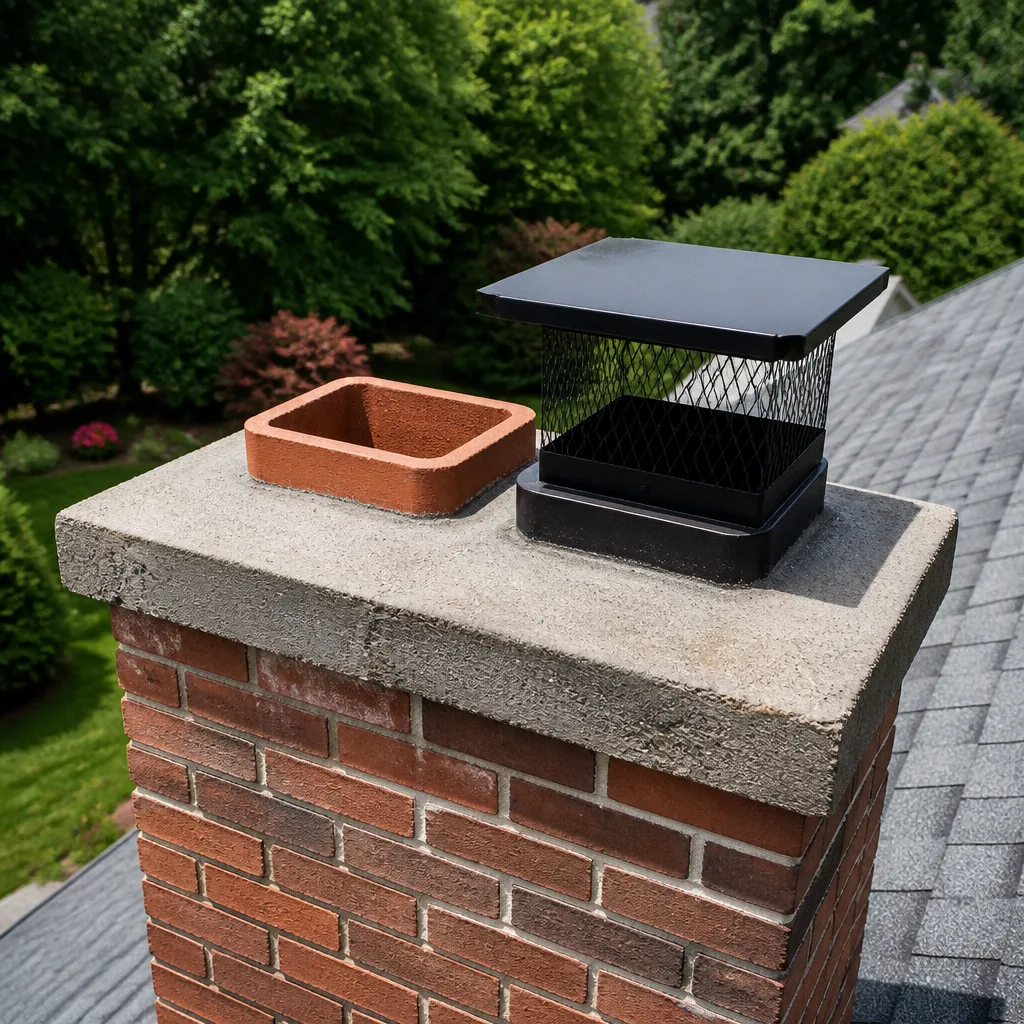
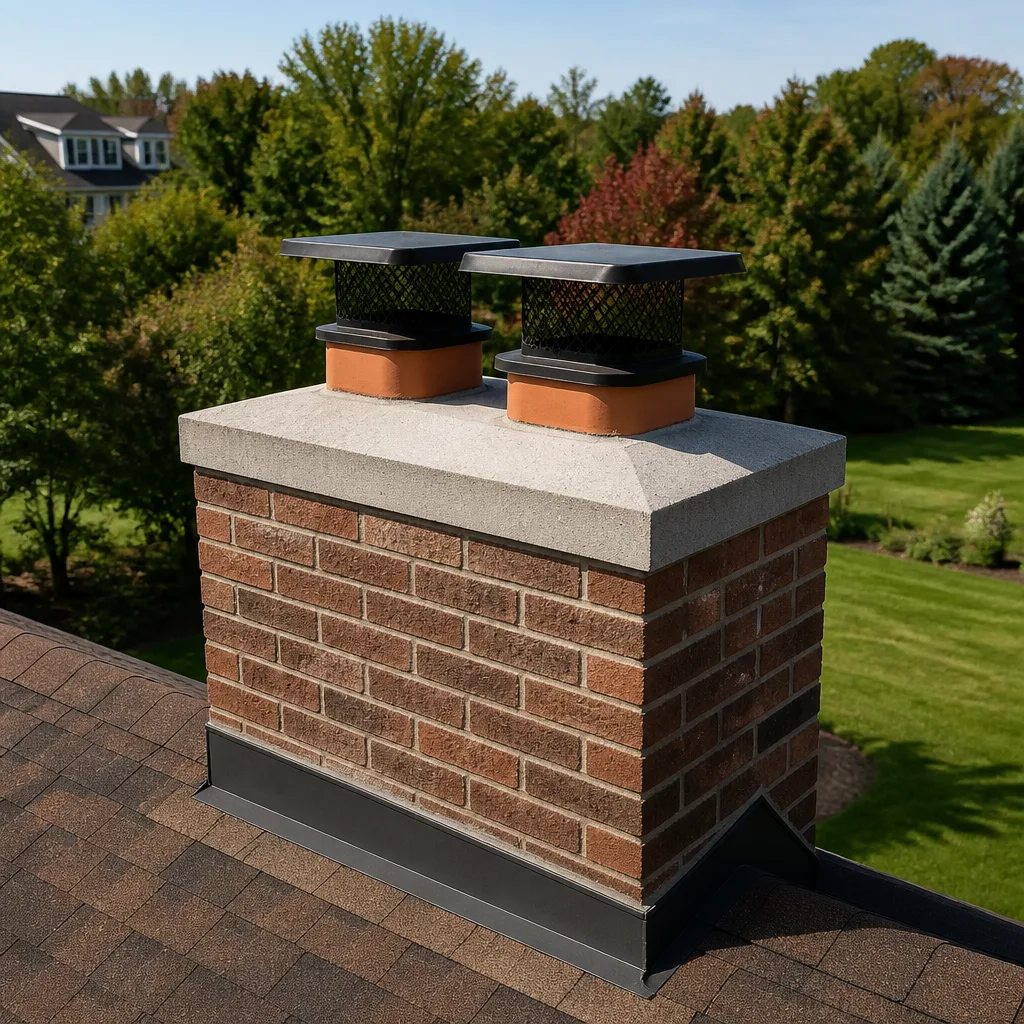
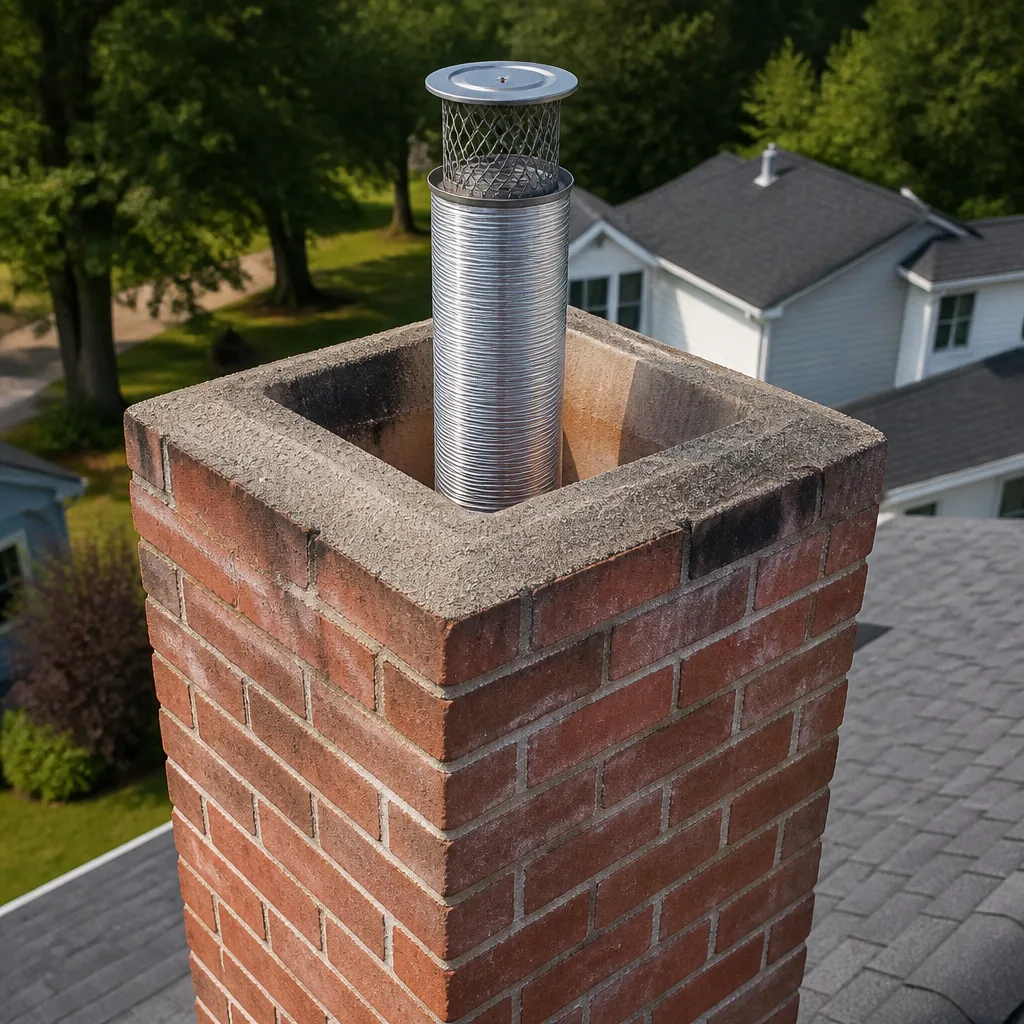
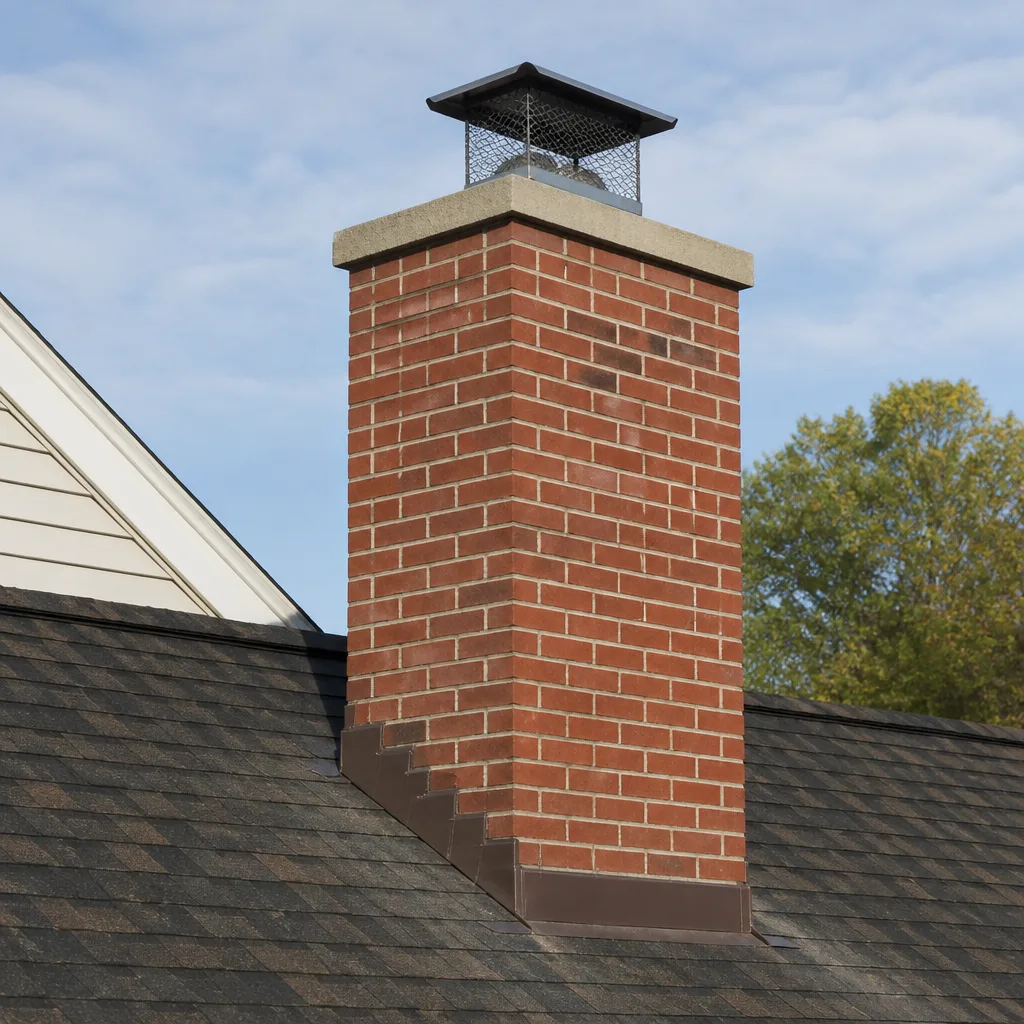
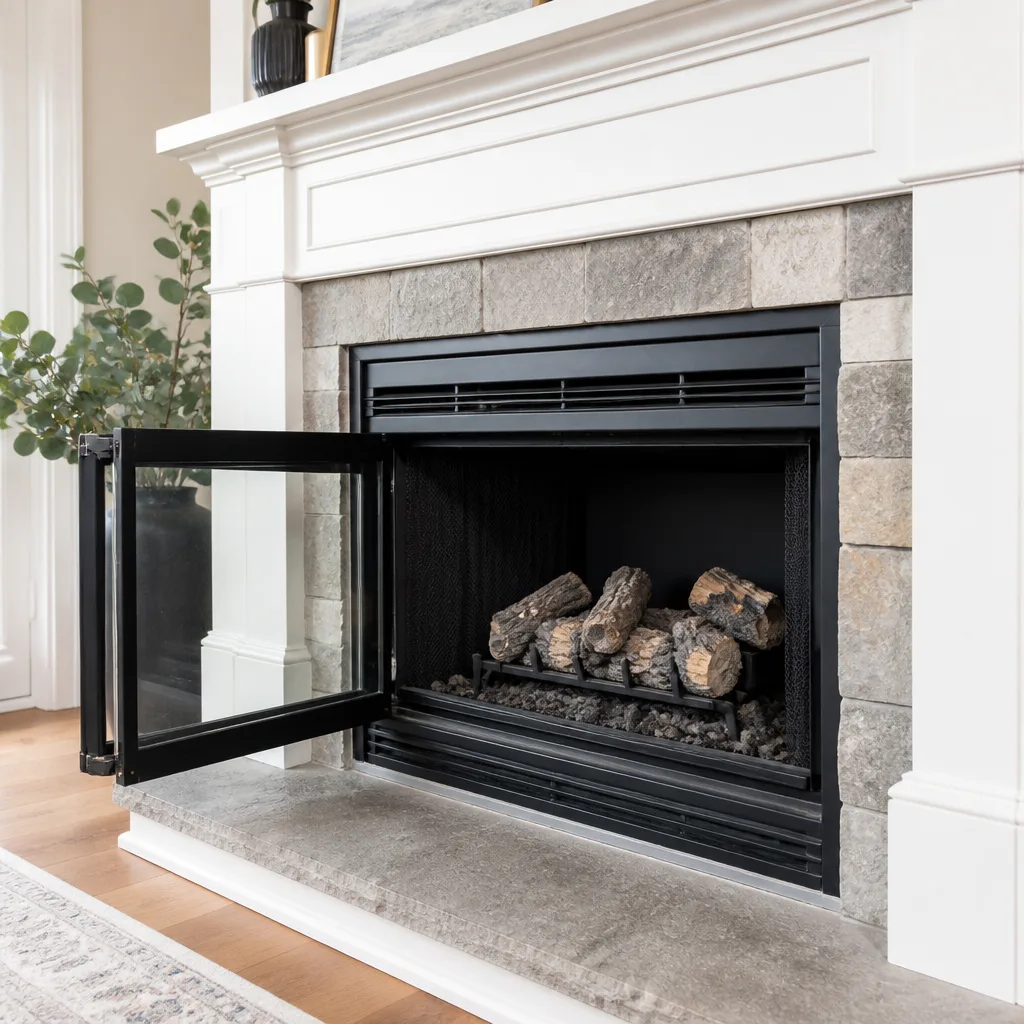
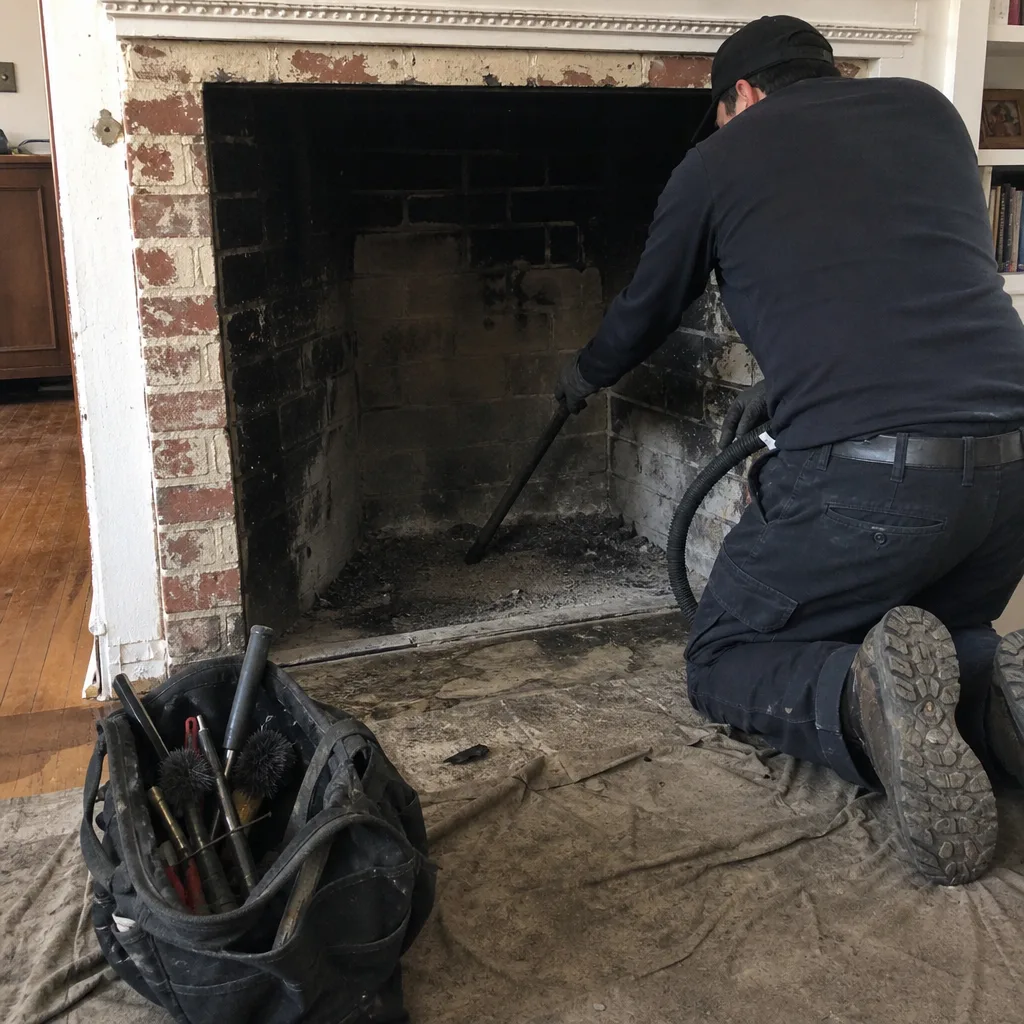 Before
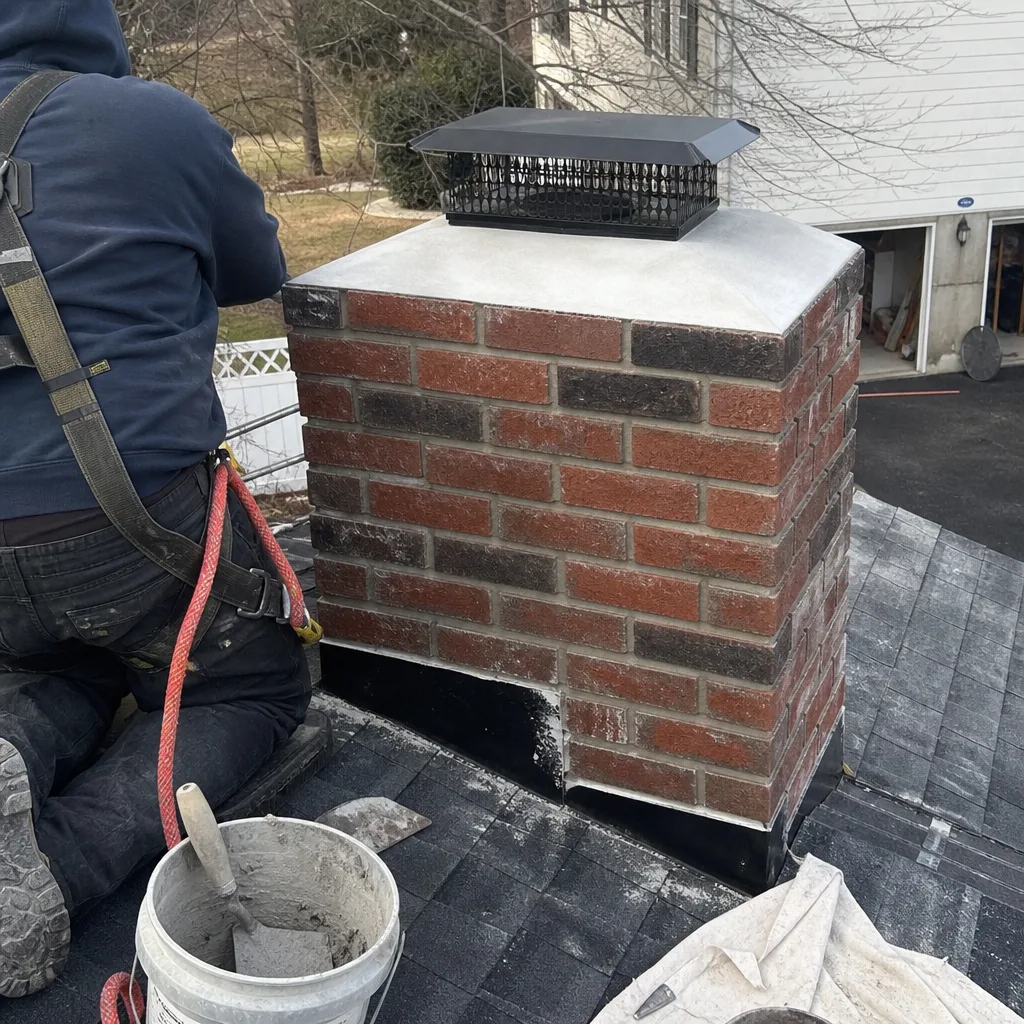 After
After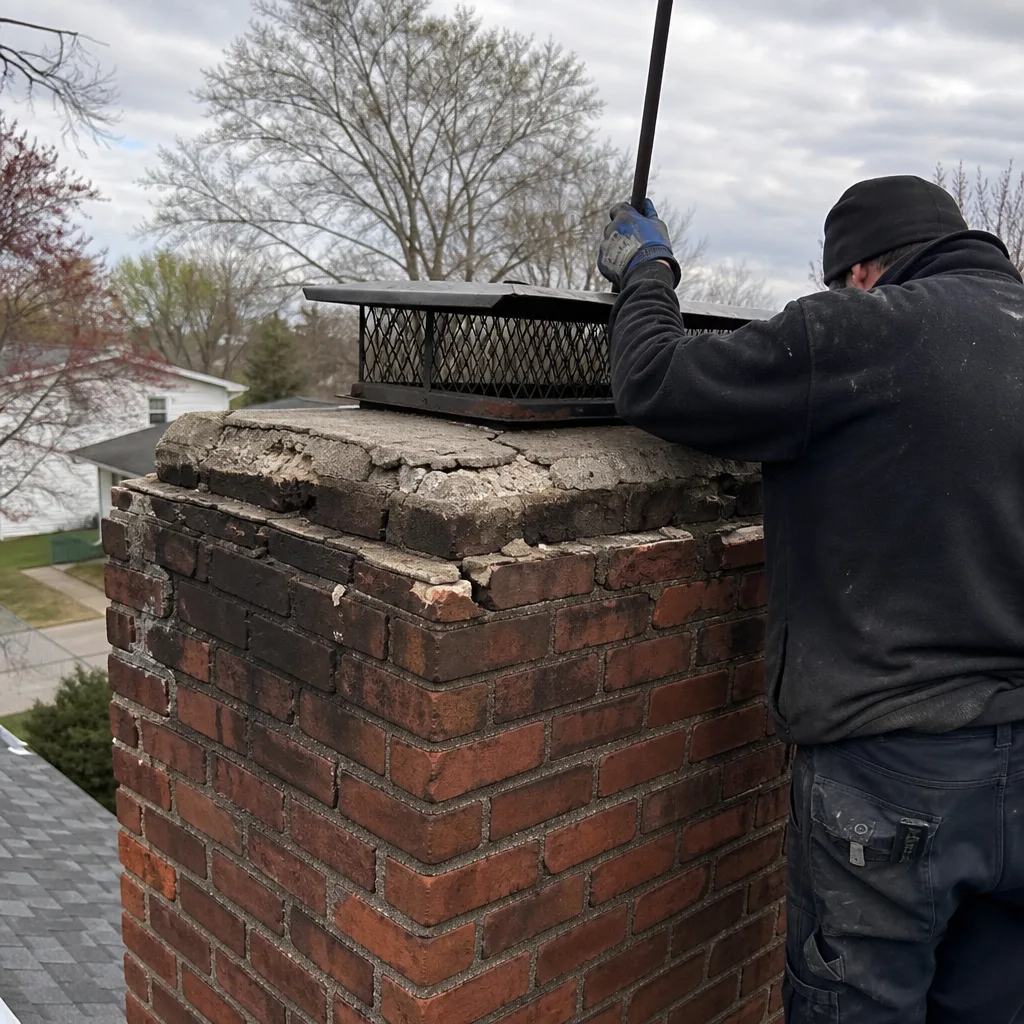 Before
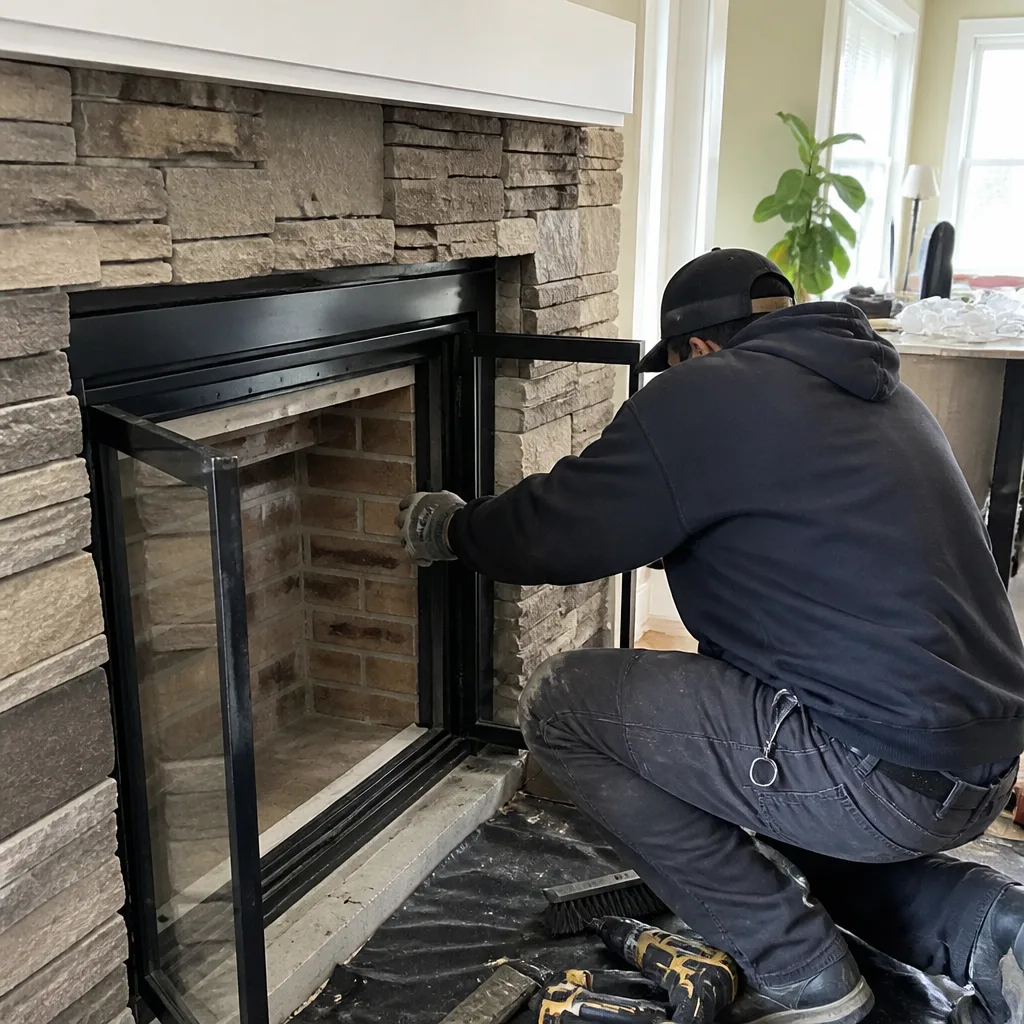 After
After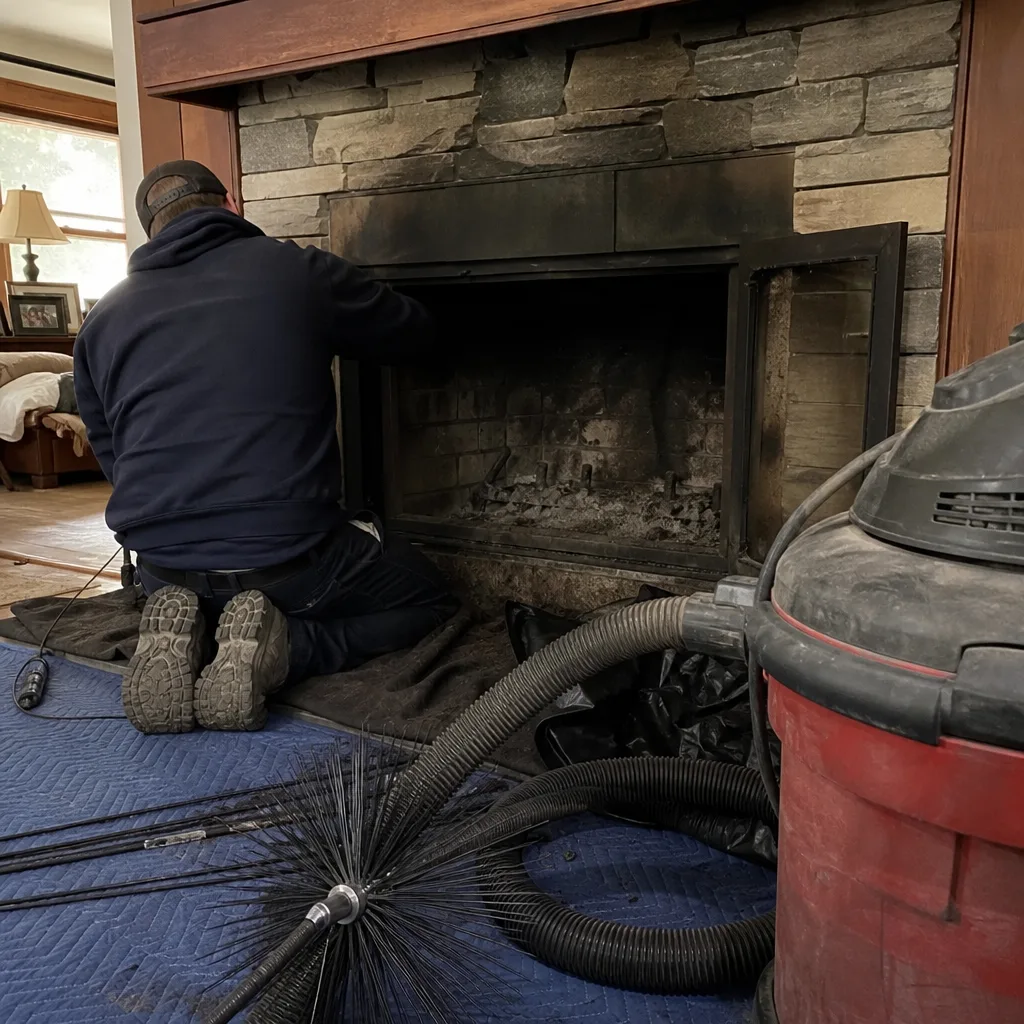 Before
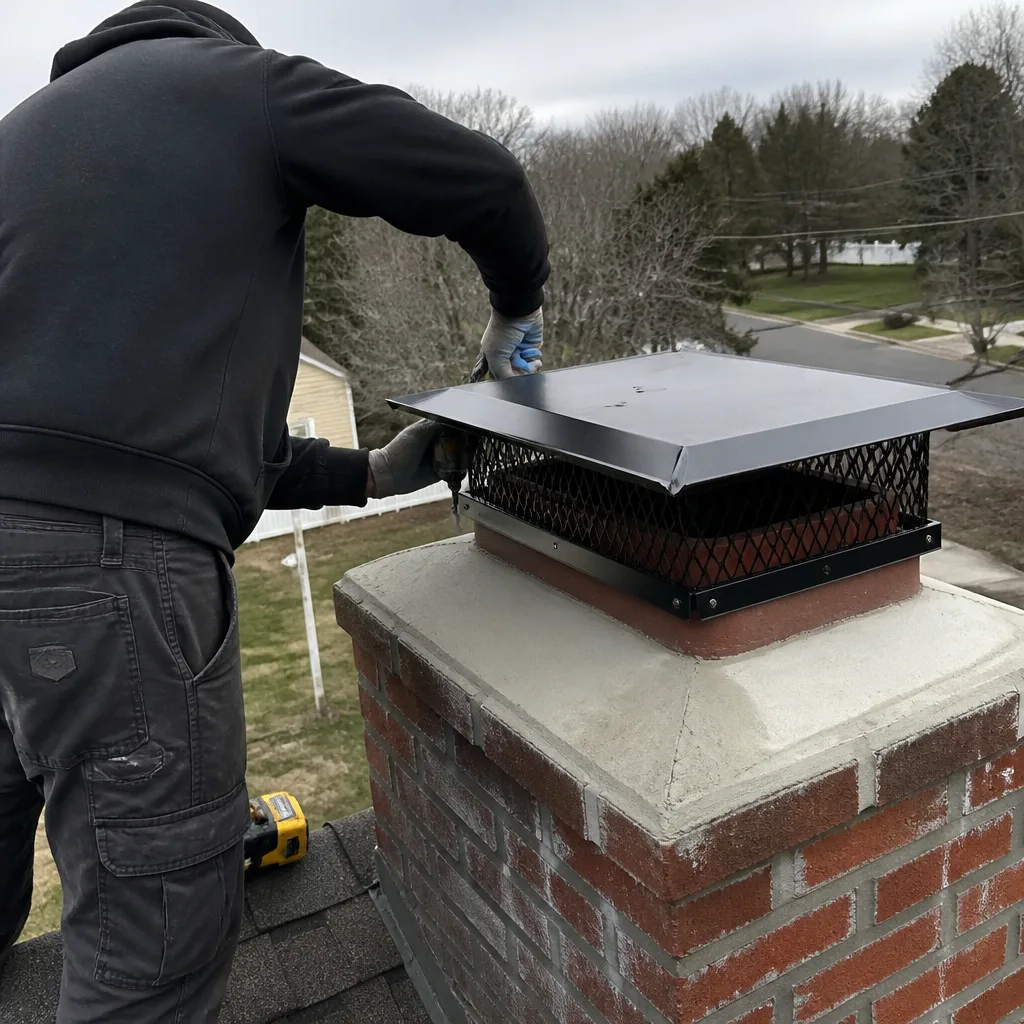 After
AfterGelco Flue Liner Replacement: The Brentwood Owner’s Guide
We stock and install Gelco-compatible flue liner replacement right here in Brentwood, with most installed jobs landing between $2,200 and $4,800 depending on the liner length, diameter, and whether we’re also replacing the crown or top plate. A standard two-story Brentwood colonial with a 6-inch by 25-foot liner usually falls right around $3,000 to $3,600, parts and labor both. Most homeowners discover their Gelco liner has failed the hard way: a chimney inspection for an unrelated reason, or a haze and smell in the house that no one can quite place. It’s rarely a sudden event. It’s almost always a slow surrender.
Gelco liners are solid products when they’re matched to the appliance and installed straight. But nothing lasts forever, especially in Brentwood where freeze-thaw cycles work on your chimney eight months a year. The stainless steel in a Gelco liner is .005 to .006 inches thick on most residential models. That’s about the thickness of a heavy-duty trash bag. It lives in an acidic environment. It corrodes from the inside out. By the time you see a problem on the outside, the inside has been telling you for years.
If you’ve got a failed Gelco liner, the fix is not a patching job. It’s a replacement, done right, with the correct diameter and alloy for what you actually burn. Wendell Pike and our crew do this work regularly across Brentwood, and we’ve seen just about every failure mode a liner can offer. We’ll walk you through exactly what you’re up against.
Key takeaways:
- A Gelco liner replacement in Brentwood typically costs $2,200 to $4,800 installed, depending on length, diameter, and chimney access.
- Most Gelco liner failures are discovered during a routine sweep or inspection, not from a visible chimney fire.
- The liner material matters as much as the brand name. The wrong alloy for your fuel type will fail early, no matter whose name is stamped on it.
- We are an independent Brentwood chimney company, not affiliated with Gelco, and we’ll tell you honestly whether a Gelco-compatible liner or another option makes more sense for your setup.
Which Gelco Models This Applies To
Gelco makes a few different liner product lines, but for residential use in Brentwood, the ones we see most often are the standard single-wall stainless liners sold under the Gelco name, typically in 4-inch, 5-inch, 6-inch, and 7-inch diameters. The 6-inch is by far the most common size in Brentwood because it matches the exhaust collar on most mid-efficiency furnaces and many gas water heaters. If you have an oil-fired boiler, you’re likely looking at 5-inch or 6-inch depending on the unit’s BTU output.
Here’s the compatibility gotcha most homeowners don’t know: a Gelco liner is not one universal product. The alloy matters. Gelco liners are made from either 316 Ti stainless steel (the better choice for gas and oil exhaust, which is acidic) or 304 stainless (fine for wood-burning, but not ideal for high-efficiency gas). If someone sold you a 304 liner for a gas appliance ten years ago, that’s likely why it’s failing now. The acid in the condensate eats through 304 like vinegar through chalk. Another thing: Gelco, like most liner manufacturers, uses a male-to-female connection system that varies slightly by series, so you can’t always mix sections from different line runs. A liner from 2015 may not mate cleanly with a section from 2020. When we replace a Gelco, we don’t splice new into old. We pull the whole run and start clean.
We do not recommend hunting for Gelco OEM parts on the consumer market. Gelco sells primarily through distribution and chimney professionals. By the time you find a listing, the price is often the same as what we pay, and you’ll still need to know the diameter, length, appliance type, and alloy spec to order the right thing. We also work with DuraFlex and HeatShield, so we can offer you a parts-and-labor matched solution rather than shipping something to your porch and hoping. Independent service provider, plain and simple. Not affiliated with Gelco. We just fix what’s broken.
Signs Your Gelco Flue Liner Replacement Is Failing
- Odor in the house that no one can identify. A pitted liner lets acidic flue gas and moisture seep into the masonry instead of venting out the top. You’re not smelling a chimney fire. You’re smelling what a failing liner lets back into your living space. It gets stronger on damp days in Brentwood when the air pressure drops.
- White or crusty deposits on the outside of the chimney. Your liner is the pipe inside the chimney. When it starts to rot through, the moisture it was supposed to contain now attacks the brick and mortar from inside. Look for white crystalline staining or soft, sandy mortar joints. That’s often the first visible sign of a liner problem that started years ago.
- Water in the cleanout door or damper area. Condensate from a gas or oil appliance has to go somewhere. If it’s dripping back down the liner and pooling at the bottom, the liner is either too large for the appliance (so the exhaust cools too much and condenses) or it’s compromised somewhere along the run.
- Your carbon monoxide detector keeps chirping. Not a false alarm. A failed liner can channel combustion gas into the wrong places. Don’t ignore this one, and don’t waste time. Get an inspection.
- Soot or staining around the appliance itself. If the draft is failing because the liner is obstructed or rotted through, the appliance has to work harder to push exhaust. Some of it ends up in the room. The first clue is often a dark ring around the draft hood connection.
None of these symptoms mean the liner has definitely failed. They mean it’s time for a camera inspection. We run a push camera down the flue on every Brentwood inspection, and you’re going to see the footage yourself. Clean business, that way. No one should be taking a contractor’s word on a five-thousand-dollar repair they can’t see with their own eyes.
Replacement Cost & What’s Included
A Gelco liner replacement in Brentwood includes the new liner, the top plate and cap, the connector at the appliance, insulation if your install needs it, and the labor to pull the old liner and run the new one. Most jobs go like this:
- 6-inch by 20-foot 316 Ti liner for a gas furnace: $2,200 to $2,800 installed.
- 6-inch by 25-foot 316 Ti liner, two-story home: $2,700 to $3,600 installed.
- 7-inch or custom-length liner for an oil-fired or larger boiler: $3,200 to $4,800 installed.
- If the crown is cracked and needs a proper pour, not just patching: add $900 to $1,600. We’re not going to install a new liner under a crown that’s actively admitting water.
The range exists because chimneys differ. One Brentwood ranch might be a straight twenty-foot run through an unlined masonry flue with the old liner pulling out clean. Another might be a colonial built in 1962 with a 45-degree offset at the smoke shelf and old liner sections that have rust-welded to each other. The roof matters too. A steep gable or a chimney near a power line changes the rigging and safety plan. Still, you’ll know the price before any tool comes off the truck. That’s not a promise we make lightly, and it’s the only way we operate. Every job also gets our 90-Day Done Right Promise in writing. If something isn’t right, one call gets the crew back. No charge, no argument.
DIY or Call Us?
Here’s the honest answer from Wendell Pike: you can check a few things safely, but you shouldn’t be on a ladder pulling a liner yourself. This is not the kind of project that ends well as a weekend adventure. A liner replacement involves working at height, handling stainless steel sections that want to spring back at you, and understanding draft dynamics and clearances. If the liner is older and the creosote has glazed, you could have a chimney fire waiting for you on the other side of the damper. That’s not a scare line. That’s just what the job is.
What you can do: look at the outside of your chimney for staining or spalling, check your cleanout door for debris, and call us at (934) 935-3847 to schedule a camera inspection. We’ll give you the footage and a straight answer. If it needs doing, we’ll do it right. If it doesn’t, we’ll tell you that too. That’s been the rule for over 29 years in Brentwood, and it’s not changing now.
FAQs
A well-installed 316 Ti Gelco liner on a properly sized gas or oil appliance can last 20 to 25 years in Brentwood’s climate, but a 304 alloy liner on a gas appliance may fail in 10 to 12 years. The freeze-thaw cycle and the acidic condensate from the appliance are what shorten the life. Call (934) 935-3847 if you’re not sure what alloy was originally installed; we can inspect and tell you.
No, not in the way most homeowners hope. A pitted or rotted liner section cannot be patched; the entire run needs replacement because the weak point has already compromised the system. We don’t splice new liner onto a failing old section. Call us for a camera inspection before you commit to anything.
Most Brentwood Gelco liner replacements are done in a single day. If the crown work is involved or the old liner is stubborn coming out, give us two. We’ll tell you the schedule before we start, and you’ll get an arrival window that we actually keep.
We keep 6-inch and 7-inch 316 Ti liner sections on the truck for most Brentwood calls, along with DuraFlex and HeatShield alternatives. If we need a custom diameter or an unusual length, we source it from our distributor in a day or two. You’re never waiting weeks for a part that keeps your heat off.
Written by Wendell Pike, Owner, Top Hat Chimney at Top Hat Chimney, serving Brentwood and nearby areas.